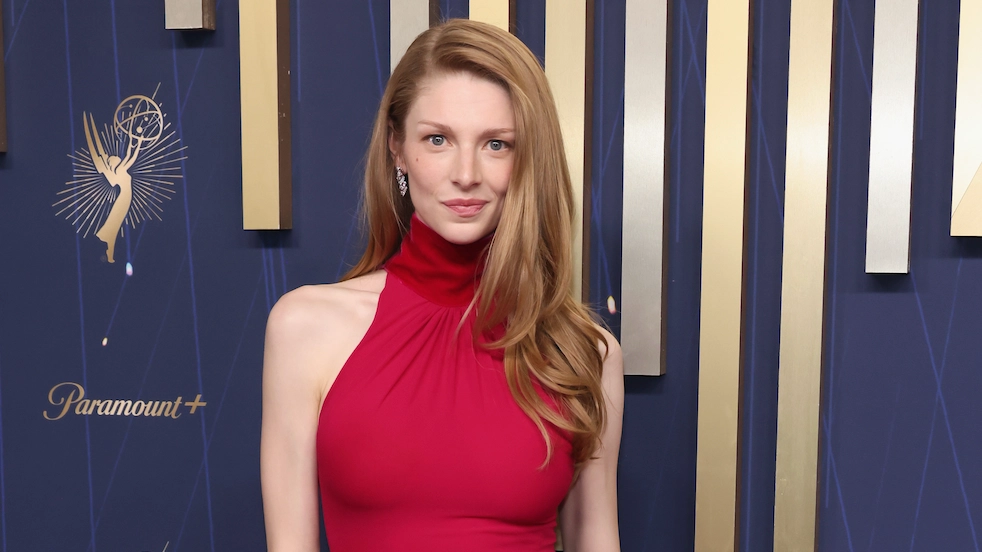
Hunter Schafer says she had gender-affirming bottom surgery

Hunter Schafer said having bottom surgery, which she underwent last December, was 'amazing', adding: "I love it so much."
During a conversation with Elle magazine about her upcoming film Blade Runner 2099, the actress revealed that she'd undergone the gender-affirming procedure.
Gender-affirming surgery is a medical procedure which alters a person's sex organs to match their gender identity, with 'bottom surgery' referring to the genitals.
While not every trans person undergoes gender-affirming surgery, Schafer noted that for her a medical transition was the right decision.
Advert
Describing what the recovery process was like, the Hunger Games actress revealed that she'd rented out a large apartment, which allowed her family and friends to visit while she recovered.
"I think my limit was 150 steps per day," she recalled. "Which is nothing."
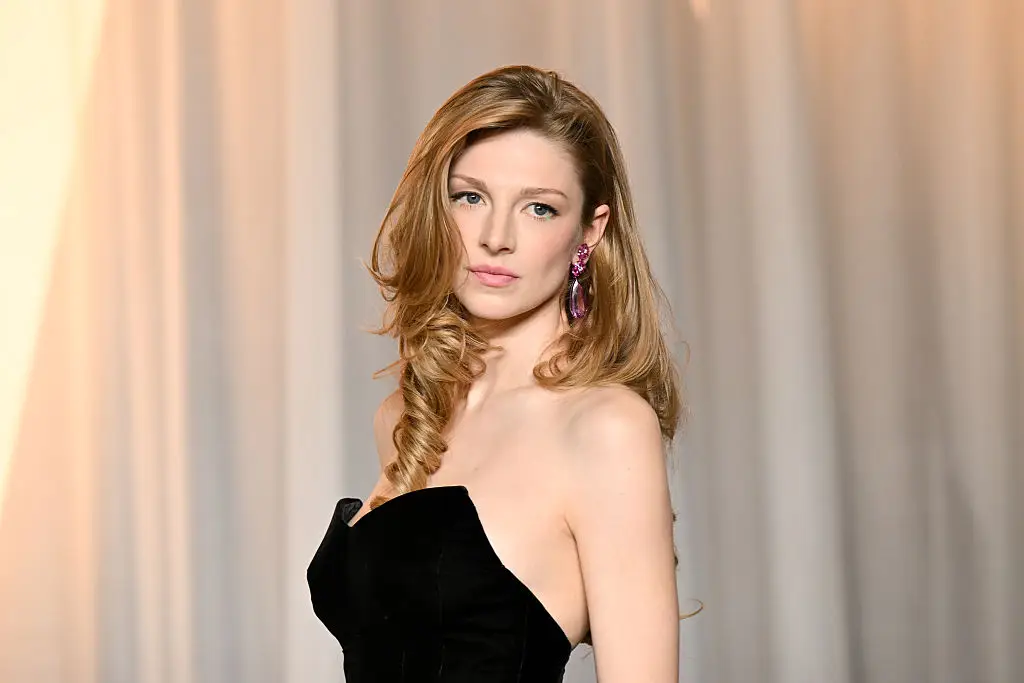
Explaining why she decided to go through with the procedure, the Euphoria star said that she had wanted to embrace the 'gender-expansive part of myself' but ultimately found herself 'hitting a wall again and again'.
"I really wanted to try to make that previous body work, because I thought there was something really cool and badass about it," she said.
Schafer went on to add that while she'd always seen her gender identity as something more 'expansive' – "It’s about possibility and expansion and growth" – she's now landed somewhere 'flatter'.
"I’m a woman. I’m a girl," she added.
Last year, Schafer was gobsmacked when her new passport identified her as male, despite filling out female on the form and having had her gender markers listed as female since her teens.

This followed an executive order by US president Donald Trump, claiming sex assigned at birth could not be changed.
In 2016, when she was only 17 years old, she became the youngest plaintiff in the North Carolina bathroom bill, which mandated that people in schools and government buildings use the bathroom corresponding to the sex on their birth certificate.
Speaking on similar legislation in the UK, which mandates that people use toilets and changing rooms based on their sex assigned at birth, Schafer said: "You can make it the law, but are you deploying a little gender policeman to stand outside the bathrooms?"
In 2024, she told GQ she had rejected roles for trans characters, as she didn't want her identity to overshadow her work.
"I don’t want to be [reduced to] that, and I find it ultimately demeaning to me and what I want to do," she explained.
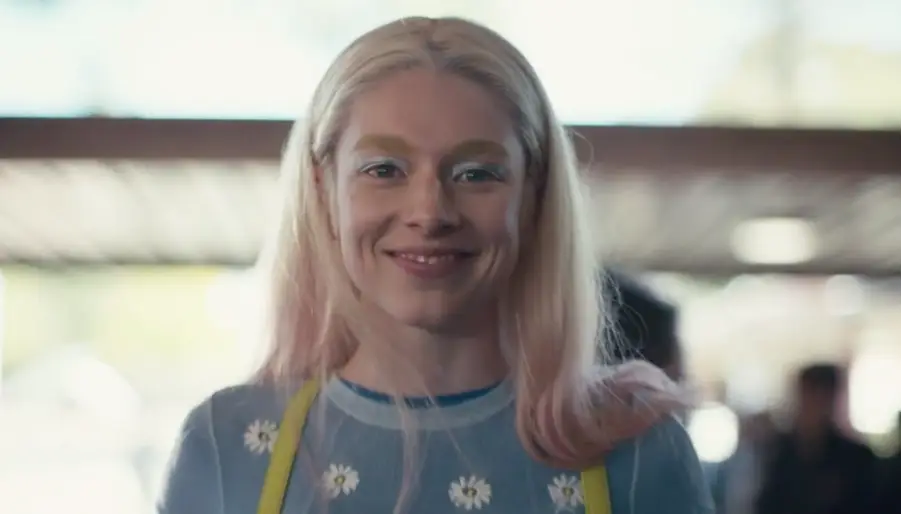
"Especially after high school, I was sick of talking about it. I worked so hard to get to where I am, past these really hard points in my transition, and now I just want to be a girl and finally move on."
Acknowledging that her stance was a 'privileged' one, Schafer admitted that while she did feel guilt for not using her platform as 'one of the most famous trans people in media', it was the right decision for her.
"I really do believe that not making it the centerpiece to what I’m doing will allow me to get further," she added.
"And I think getting further and doing awesome [stuff], in the interest of ‘the movement,’ will be way more helpful than talking about it all the time."
 Brenna Cooper