Three quarters of gen-z experience 'digital disconnect', study finds


There’s no doubt about it, we all spend a good chunk of our time online. Whether you’re permanently attached to your phone and scrolling through social media apps or you spend hours gaming with people from all around the world, it can be tricky to truly disconnect.
Gen Z were one of the first generations to grow up with social media being part of their everyday lives. And it appears to have had an effect on the way that they view themselves both online and offline, according to a new study.
The study of 2,000 adults was commissioned by Lenovo as part of its Work For Humankind project, with the latest iteration titled 'Meet Your Digital Self'.
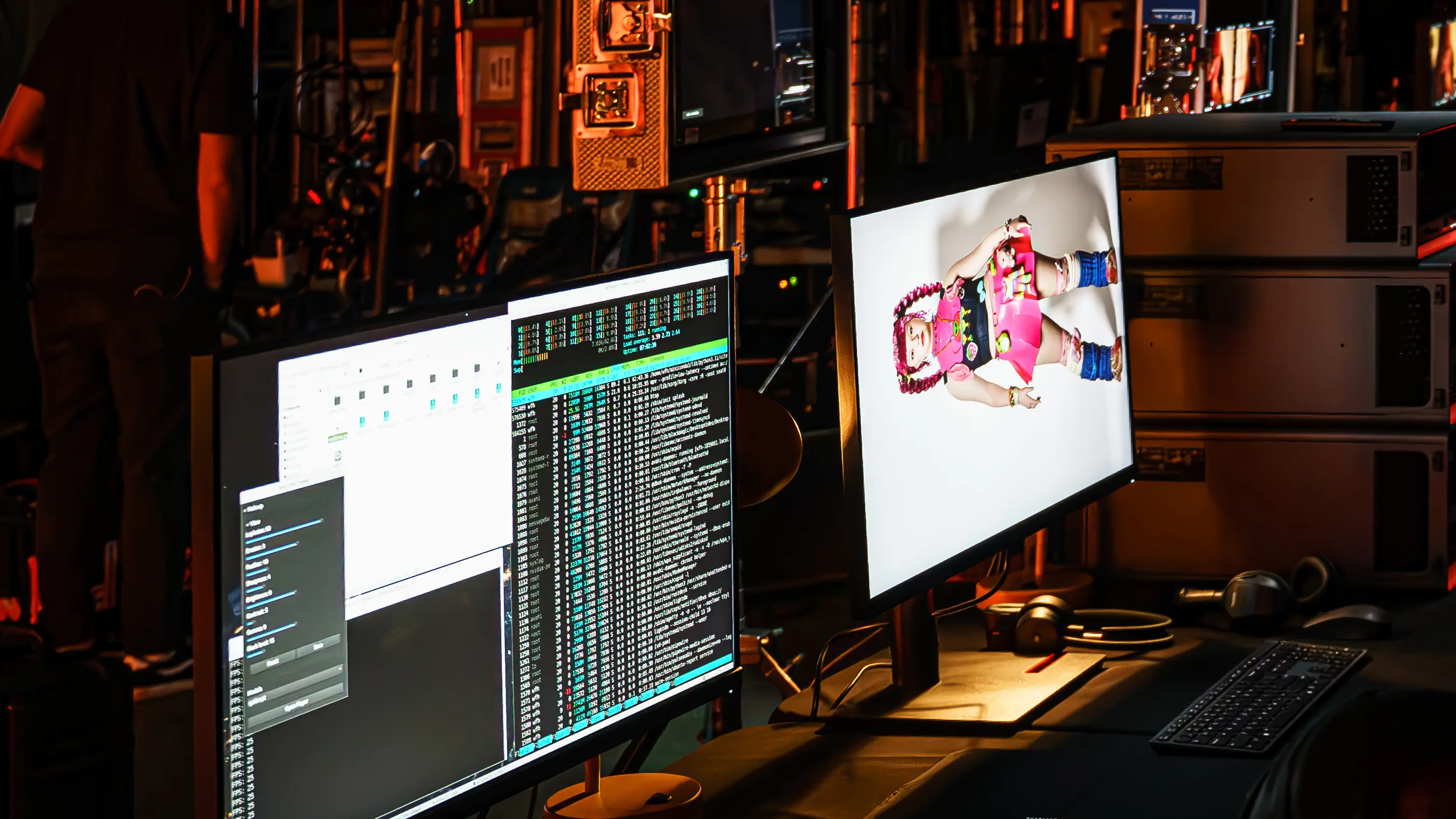
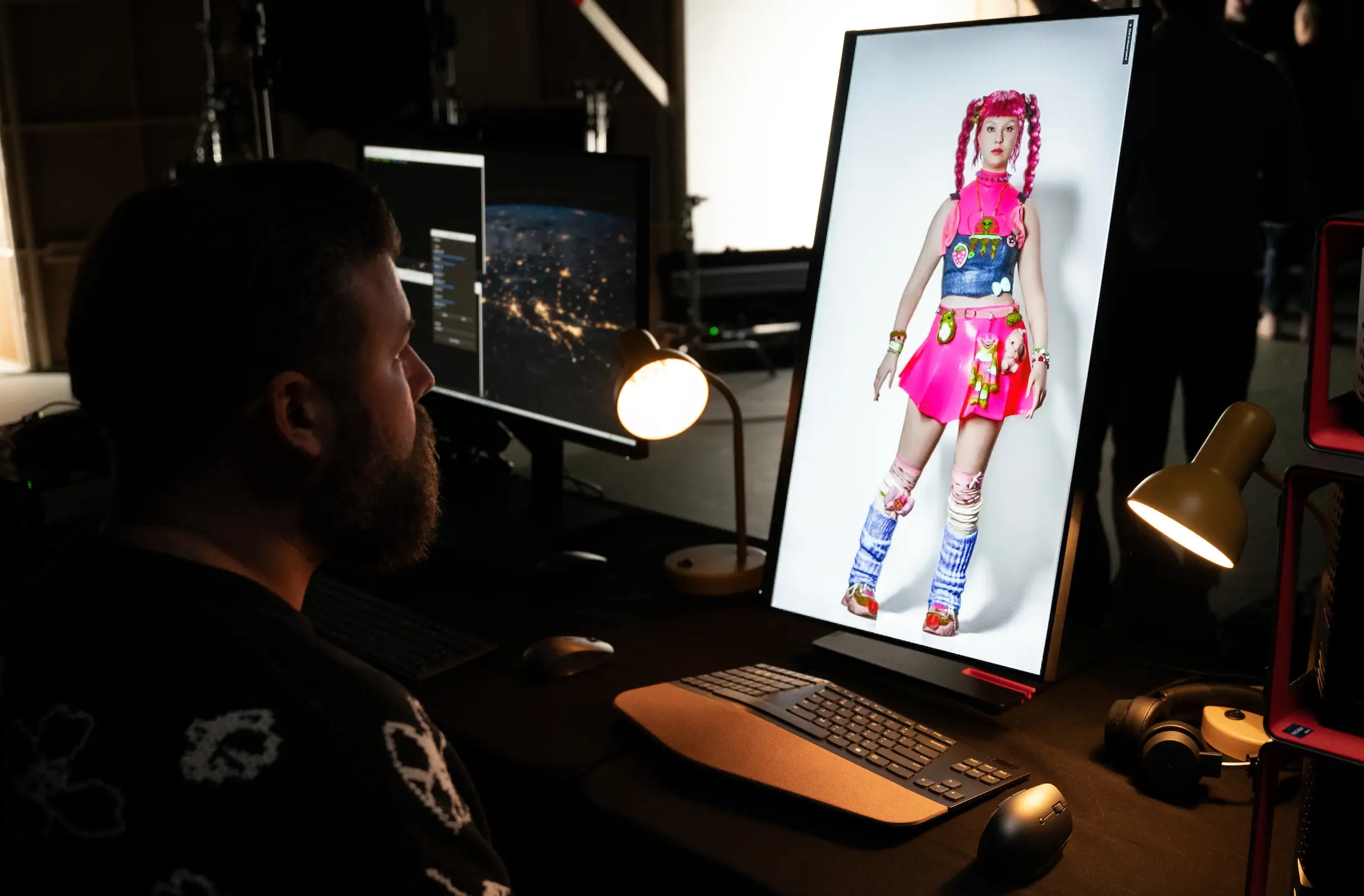
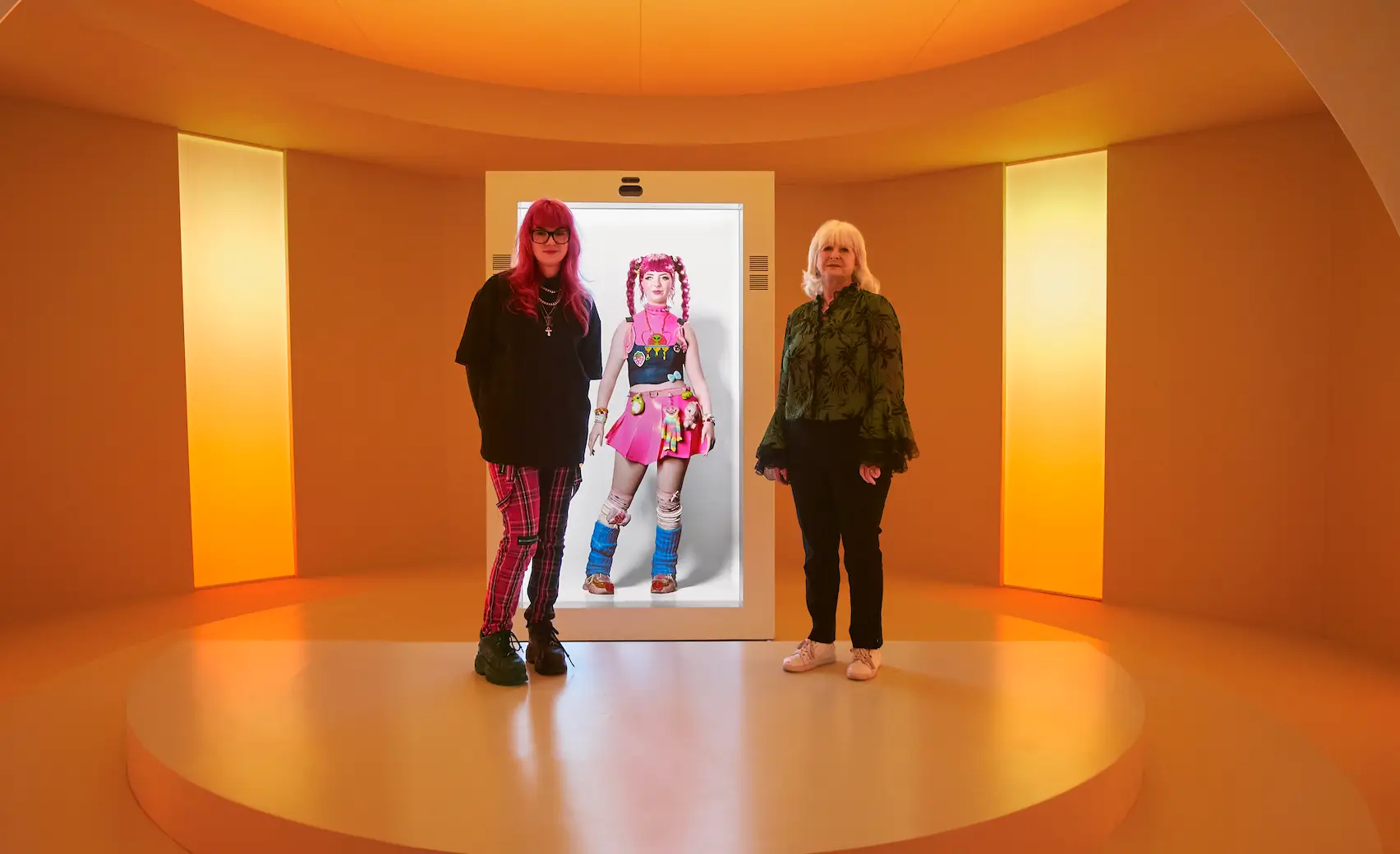
'Meet Your Digital Self' saw the online personas of two Gen-Zs brought to life in the form of 3D avatars. It helped to bring about honest, heartfelt discussions between the participants, their avatars and their families.
Brit participant Oscar's avatar was named Spider, and they were able to adjust their tone of voice, gestures and facial expressions based on Oscar's own mannerisms to help them reconnect with their grandma Nunu.
The study found that almost half of Gen Z (49%) feel that the way they represent themselves and their personality online doesn’t match up at all to how they are in real life.
This is despite the fact that 50% feel like it’s easier to express themselves online, rather than offline.
With some spending hours on social media platforms like TikTok, Snapchat and Instagram, part of the issue can also be that Gen Z’s family members either don’t know much about the online world in which the young adults spend much of their time, or they don’t understand or embrace this part of their lives.
For some Gen Zs, this is the space where they feel most comfortable being their authentic selves, whether that be in expressing their gender identity, career and life choices, or personality more generally.
With almost a fifth of respondents (17%) admitting to keeping their online world a secret from some of their family members and 32% preferring to keep this world completely private, it’s no surprise that they feel like others don’t understand this digital landscape of theirs.
And if you’ve ever encountered a troll on social media, you’ll also know that they tend to be much bolder with how they speak online compared to how they would in real life. This can also create a division between how someone behaves behind a computer screen, as opposed to in a real life conversation or setting.
Almost a quarter (24%) say that their online persona has clearer likes/ dislikes than their IRL selves, and 21% share more controversial opinions, according to the study.
This disconnect can feel even more pressing when you take into consideration that the average adult can spend almost as many hours (seven) in the digital world, as they do in the ‘real world.’ And this can certainly have an effect on mental health.
With all of this in mind, Lenovo’s ‘Meet Your Digital Self’ social experiment aims to find a way in which generations with different understandings of online personas can begin to understand each other. But in the meantime, if you need help bringing up that conversation for the first time with a loved one or are simply looking to talk about any issues that you’re having, either online or offline, Lenovo have partnered with mental health charity Shout UK to provide 24/7 support. All you need to do is text ‘Shout’ to 85258 to start opening up.
Topics: Social Media, Mental Health
 The LADbible Team