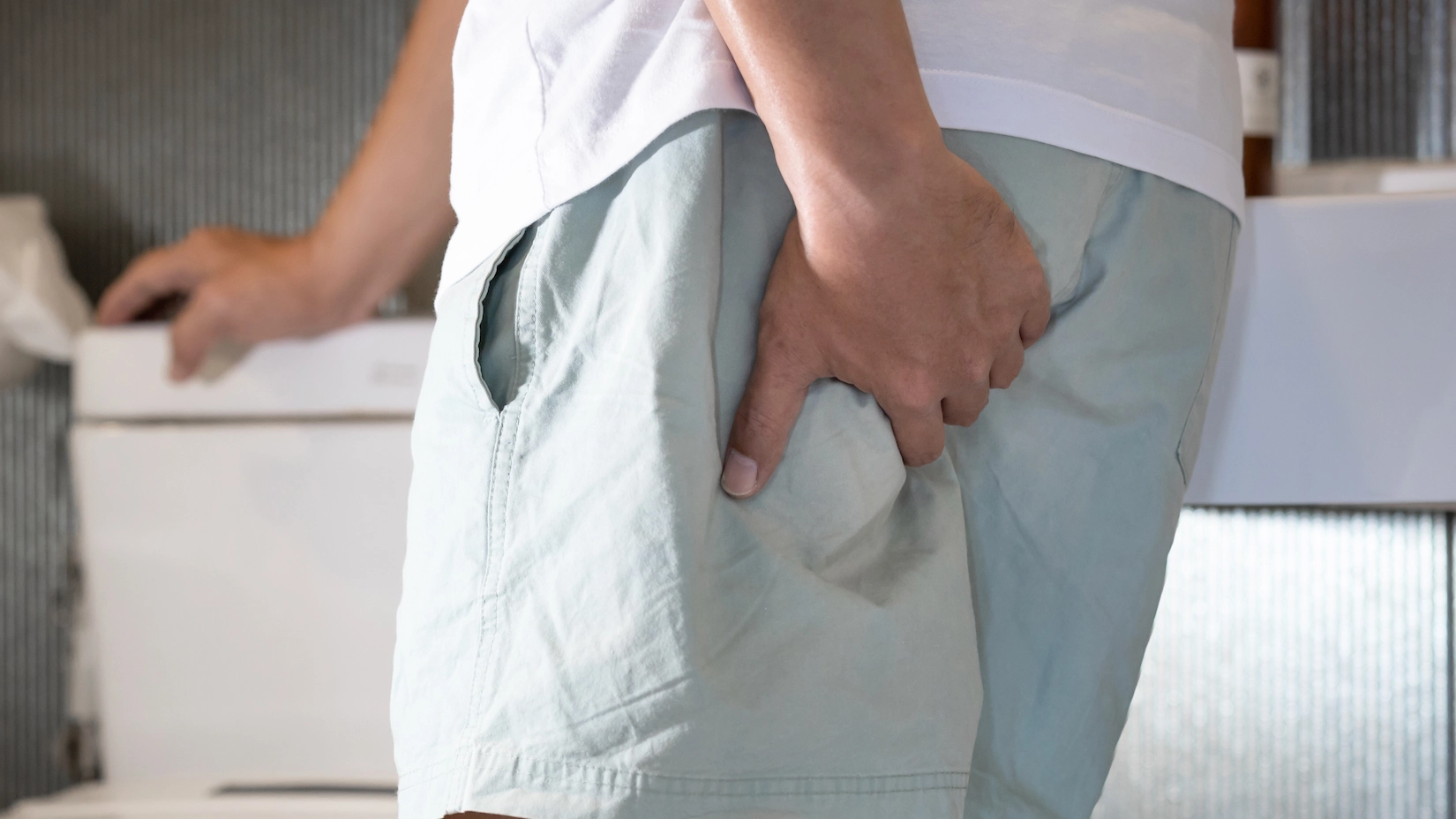
Two thirds of men suffer from 'pruritus ani' as experts explain who's most at risk

Experts have weighed in on who is most likely to experience pruritus ani with two third of men experiencing it in their lifetime.
Pruritus ani is the medical term for a common condition which sees people experience an intense, continuous itch or irritation around the bottom (anus).
Charming, I know, but it's important to talk about as if should you indeed scratch that it, it could lead to slightly more severe consequences. And don't worry, you're not alone, with two thirds of men suffering from it.
However, experts are warning it's time to start speaking about it, and even more importantly, to start reaching out for help if you do suffer with it, revealing there's a certain demographic more likely to experience it too.
Advert
Men are more likely to suffer with pruritus ani than woman, but it's also men within a particular age group who should be even more cautious.
Who's most at risk of pruritus ani
Well, pruritus ani is not hereditary and people 'of any age can be affected'.
However, the condition is 'most common' in men opposed to women and is more typical in 'those aged 40-60 years,' the British Association of Dermatologists reveals.
As Dr Hussain Ahmad of Click2Pharmacy explained: "Pruritus ani is more common in men than women, with groups aged between 40 and 60 usually the most at risk."
But what exactly is pruritus ani and what can increase your likelihood of experiencing pruritus ani?
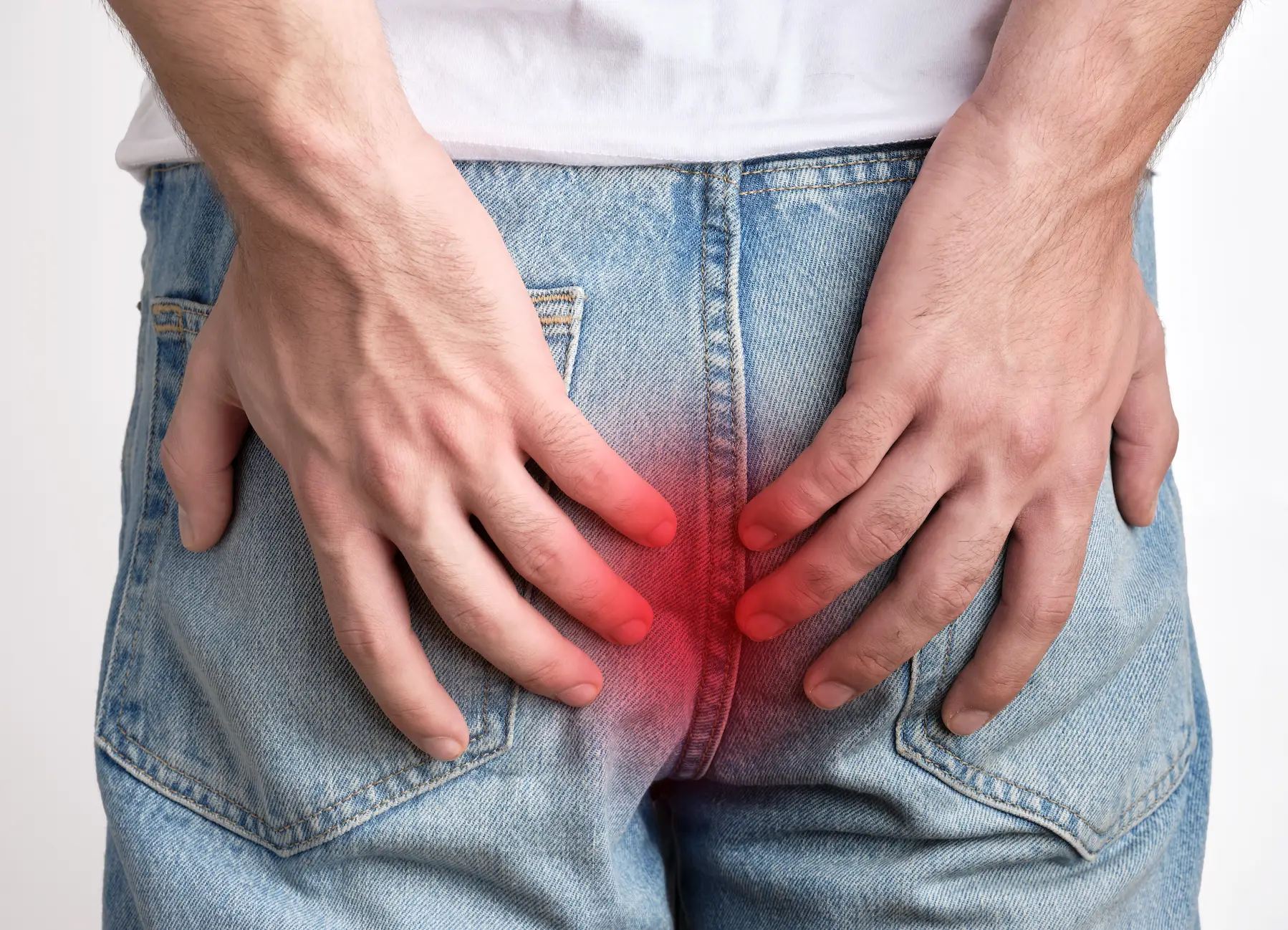
Pruritus ani explained
Pruritus ani - aka itchy bottom - sees those suffering feel an intense desire to scratch their bottom, often difficult to resist.
And fulfilling this urge can 'lead to skin damage and possible infection in that area,' Guys and St George's Hospital explains.
But what can cause it?
Causes of pruritus ani
The 'primary cause' of pruritus ani is 'minor leakage from the bottom'.
Yes, we've dived straight into the poo chat, strap yourselves in.
And it's important to discuss, because 90 percent of cases are caused in this way, stool or liquid mucus irritating the delicate skin around your nether regions prompting that strong desire to itch.
Secondary causes include piles, haemorrhoids, infections, skin conditions - such as dermatitis or psoriasis - fissues and colorectal cancer.
As Dr Ahmad put it: "People with haemorrhoids, anal fissures, diabetes or skin conditions like eczema and psoriasis are more prone to it."
"Ongoing diarrhoea or loose stools from IBS can also leave the area irritated, as can threadworms, which can be common in families with young children."
Charming.
If you're one of the many who have experienced a rather itchy nether region in your life and haven't quite figured out how to ease it, you're not alone.
It is a tricky one to treat, the NHS warns, noting patience is key, it sometimes taking 'many months of gentle care' to see an improvement.
How to treat pruritus ani
The top tips include keeping the area 'as clean as possible,' using 'moist toilet paper,' talking to healthcare professionals, wearing 'loose cotton underwear' and making sure to change it each day, alongside eating more fibre and drinking lots of water.
Try not to wipe with dry toilet paper, nor add any salts or bubble bath into your bath, use any creams or deodorants near the area, wear man-made fabric, tights, thongs - you get the picture.
As the good doctor said, it's best if you 'don't wipe too hard' or use the scented wipes and soaps that can 'strip the skin and make itching worse', and you wouldn't want that.
The doctor warned that sweating due to tight clothing or spending a long time sitting at a desk or behind the wheel of a car traps moisture that leads to pruritus ani as well.
Interestingly you shouldn't sit down on plastic chairs for too long either, it warns, don't strain on the loo, and most obviously - but probably most difficulty - DO NOT ITCH!
If that itch you just can't scratch hasn’t settled after a few weeks, or if you find bleeding or a lump then it's time to call a doctor and talk to them about your itchy bum.
 Poppy Bilderbeck