ladbible homepage
ladbible homepage
  • iconNews
  • videos
  • entertainment
  • Home
  • News
    • UK
    • US
    • World
    • Ireland
    • Australia
    • Science
    • Crime
    • Weather
  • Entertainment
    • Celebrity
    • TV
    • Film
    • Music
    • Gaming
    • Netflix
    • Disney
  • Sport
  • Technology
  • Travel
  • Lifestyle
  • Money
  • Originals
    • FFS PRODUCTIONS
    • Say Maaate to a Mate
    • Daily Ladness
    • UOKM8?
    • FreeToBe
    • Citizen Reef
  • Advertise
  • Terms
  • Privacy & Cookies
  • License Our Content
  • About Us & Contact
  • Jobs
  • Latest
  • Archive
  • Topics A-Z
  • Authors
Facebook
Instagram
X
Threads
Snapchat
TikTok
YouTube
Submit Your Content Here
  • SPORTbible
  • Tyla
  • GAMINGbible
  • LADbible Group
  • UNILAD
  • FOODbible
  • UNILAD Tech
Warning to anyone with a pet ahead of solar eclipse later this month

Home> News> Animals

Updated 10:00 2 Apr 2024 GMT+1Published 09:59 2 Apr 2024 GMT+1

Warning to anyone with a pet ahead of solar eclipse later this month

An expert has revealed how the solar eclipse could impact your pets

Lucy Devine

Lucy Devine

google discoverFollow us on Google Discover

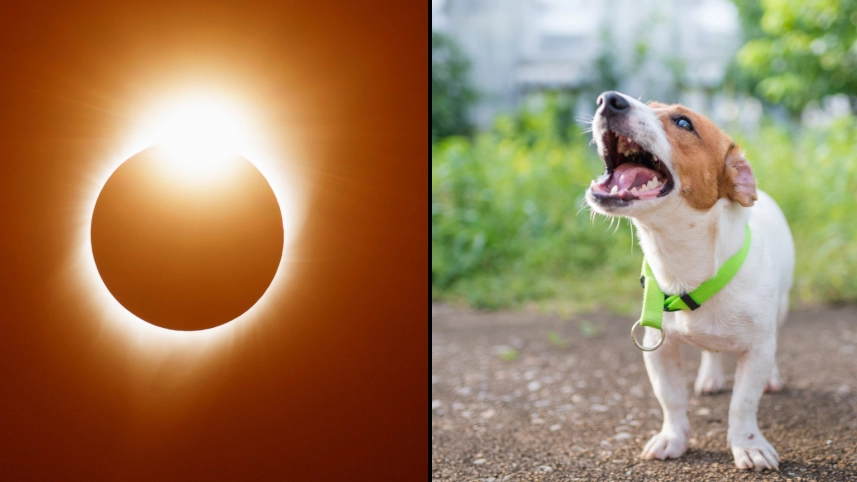
If you have a pet at home, you might not have considered how they could be impacted by April's upcoming solar eclipse.

After all, a total solar eclipse is such a rare event, so it's not something we have to think about all too regularly.

But experts are now warning pet owners to take note of some important precautions.

Although there aren't loads of studies on pet behaviour during an eclipse, Erica Cartmill, professor of anthropology, animal behaviour and cognitive science at Indiana University, says there are some points to look out for.

Advert
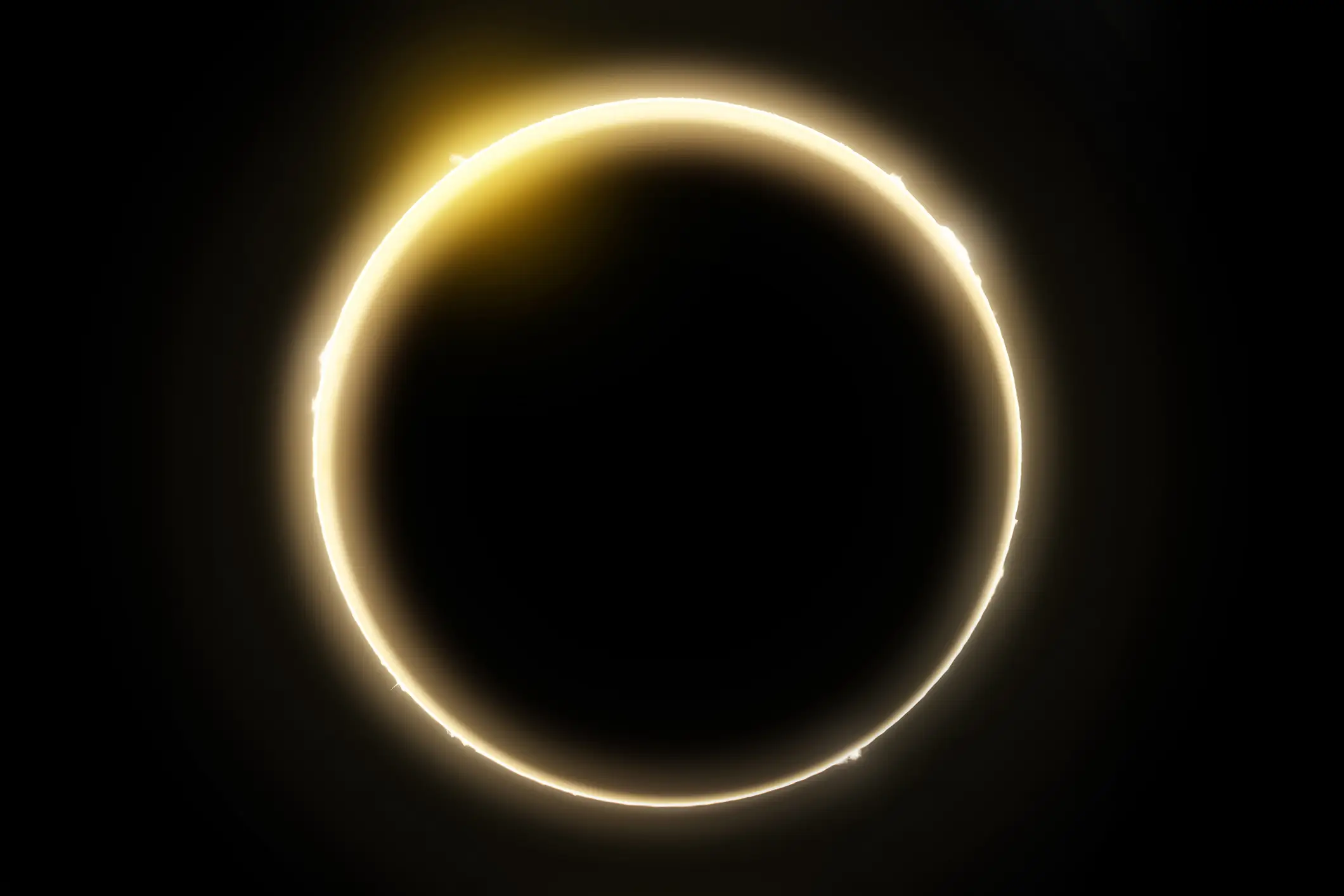
The solar eclipse is happening on 8 April.
Javier Zayas Photography/Getty Images

"There are not that many reports and not that many scientific studies of animal behaviour during eclipses," she told People.

Cartmill explains there are two types of behaviours to keep an eye out for.

She said: "The most likely response is animals starting their evening routines and showing evening behaviors.

"If you have a dog or a cat, they might go to bed, get quieter, or start yawning and stretching."

She added that a total eclipse is 'sort of like dropping a little slice of night into the middle of the day, so they might just act as if it is nighttime'.

Cartmill also revealed that some dogs may start howling at the time of the eclipse.
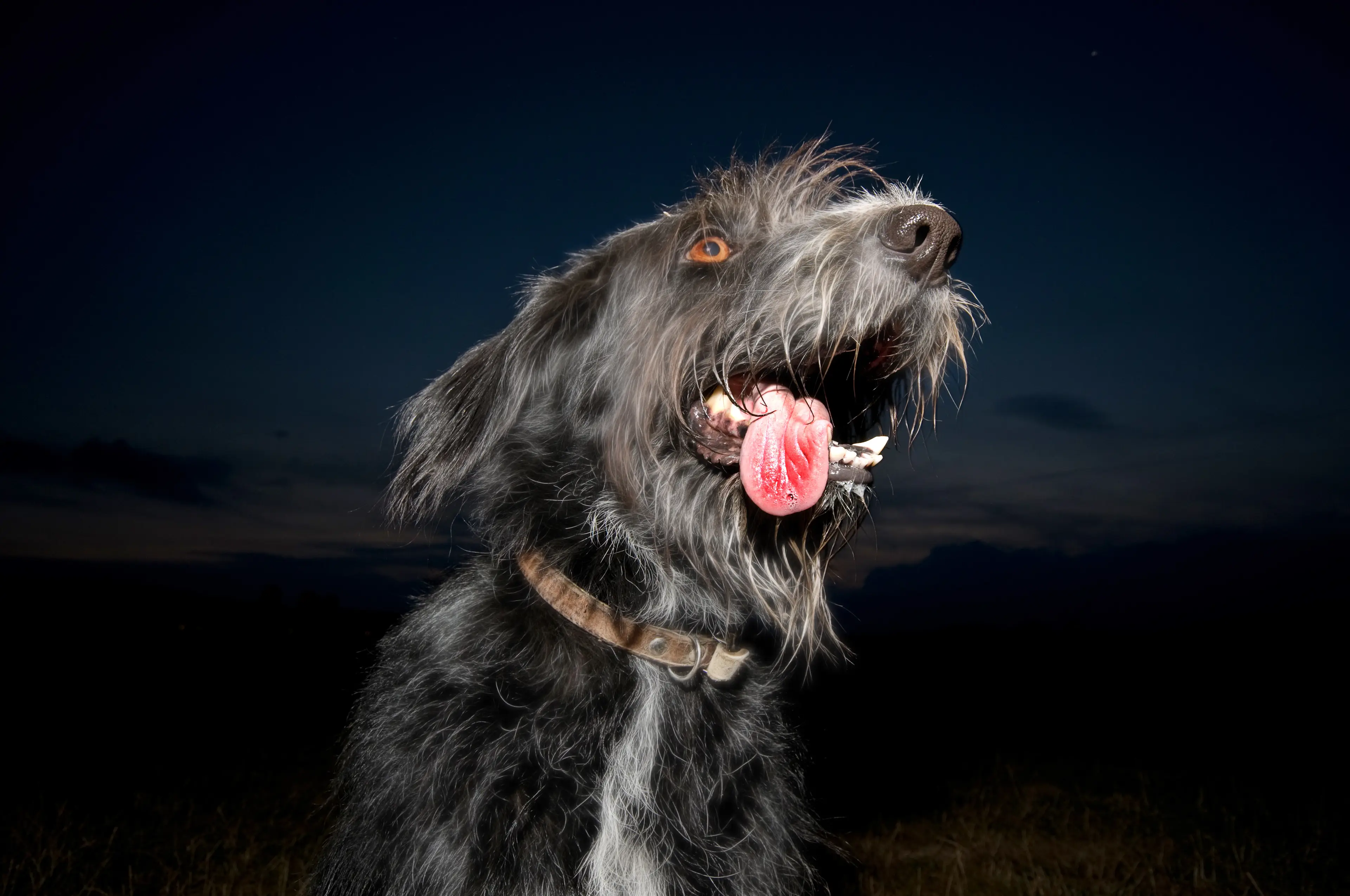
Dogs may start howling during the eclipse.
Getty Stock Image/Steve Coleman (Stevacek)

While the above behaviour isn't too concerning, pets could begin to show some signs of anxiety - just like when there's a thunderstorm, or during fireworks.

Pet parents should look out for increased panting and scratching, hiding, and pacing.

And, for anyone worried if our furry friends could damage their eyes staring into the sun during the eclipse, Cartmill says they're unlikely to be that interested.

She said: "I think our companion animals are more interested in us, especially dogs, than anything else."

How to watch the total solar eclipse in the US

The total eclipse is taking place in the US on 8 April, and is expected to be visible from Mexico through to Canada.
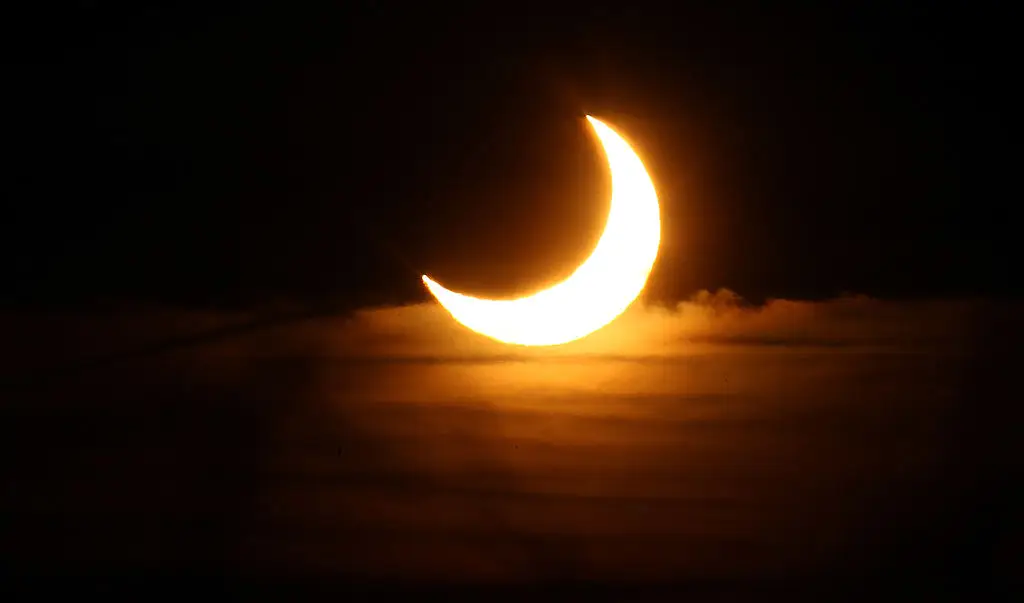
Parts of the UK could see a partial eclipse.
Lars Baron/Getty Images

Depending on the weather, the first location that will experience totality is Mexico’s Pacific coast - which will happen at around 11.07am (PDT).

The eclipse will then be visible through Texas, Oklahoma, Arkansas, Missouri, Illinois, Kentucky, Indiana, Ohio, Pennsylvania, New York, Vermont, New Hampshire, and Maine.

It will then be visible from Canada in Southern Ontario, moving through Quebec, New Brunswick, Prince Edward Island, and Cape Breton.

How to watch the partial solar eclipse in the UK

If you live in the west of the UK or Ireland, the best viewing time will be from 7.52pm to 8.51pm, but we'll be seeing a partial eclipse instead, which is when the sun is only partially covered.

It will be visible in Cardiff, Edinburgh, Glasgow, Leeds, Liverpool and Manchester.

The last total solar eclipse in Britain was way back in 1999.

In case you were wondering, the next total solar eclipse in the UK won't be until 23 September 2090.

There is a partial eclipse on 29 March next year, however.

Featured Image Credit: Getty Stock Images

Topics: News, Science, US News, Space

Lucy Devine
Lucy Devine

Recommended reads

Trump's four-word scathing message to Pam Bondi revealed before she was sacked as attorney generalAndrew Harnik/Getty ImagesMargot Robbie reveals why she insisted that Wolf of Wall Street scene was filmed nudeParamount PicturesWhat really happens inside body when you have an energy drinkGetty StockPhotographer who captured women before, during, and after orgasm explains why they chose to participateMarcos Alberti

Advert

Choose your content:

6 mins ago
an hour ago
2 hours ago
  • Andrew Harnik/Getty Images
    6 mins ago

    Trump's four-word scathing message to Pam Bondi revealed before she was sacked as attorney general

    Four words and that was the end of her career in the Trump regime

    News
  • Getty Stock
    an hour ago

    What really happens inside body when you have an energy drink

    Energy drinks are consumed by more than half of the worldwide population according to some studies, but what does it actually do to you?

    News
  • (ITV)
    an hour ago

    Woman who thought she needed 'massive poo' ended up giving birth in street

    Katie Brown suffered from a rare cryptic pregnancy

    News
  • XNY/Star Max/GC Images
    2 hours ago

    Judge dismisses 10 out of 13 of Blake Lively's claims against Justin Baldoni

    The legalities have been ongoing for well over a year

    News
  • Over a million Brits will be sent a fine through the post this month
  • Researchers say there is now a 40% chance a ninth planet is in our solar system
  • NASA's Voyager 1 has just found a 50,000 Celsius 'wall of fire' at the edge of the solar system
  • Chances of 'Planet X' having alien life as scientists think they've discovered a new planet in our solar system