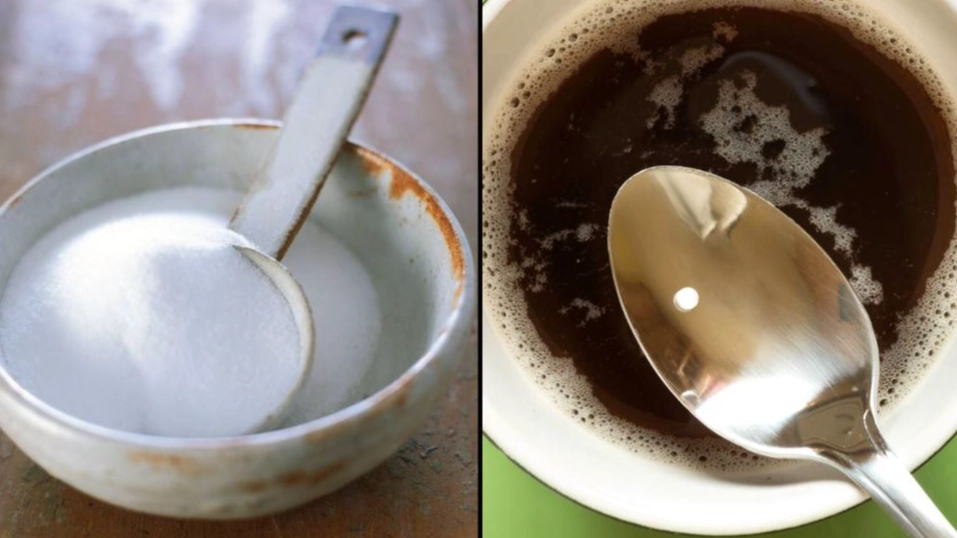
Experts warn artificial sweeteners should not be assumed to be safe

Experts are warning that artificial sweeteners used in diet sodas and low-fat desserts should 'not be assumed to be safe'.
Researchers from the Weizmann Institute of Science near Tel Aviv, Israel, and John Hopkins University in Maryland, US, conducted a study where they gave 120 people artificial sweeteners up to three times a week for 14 days.
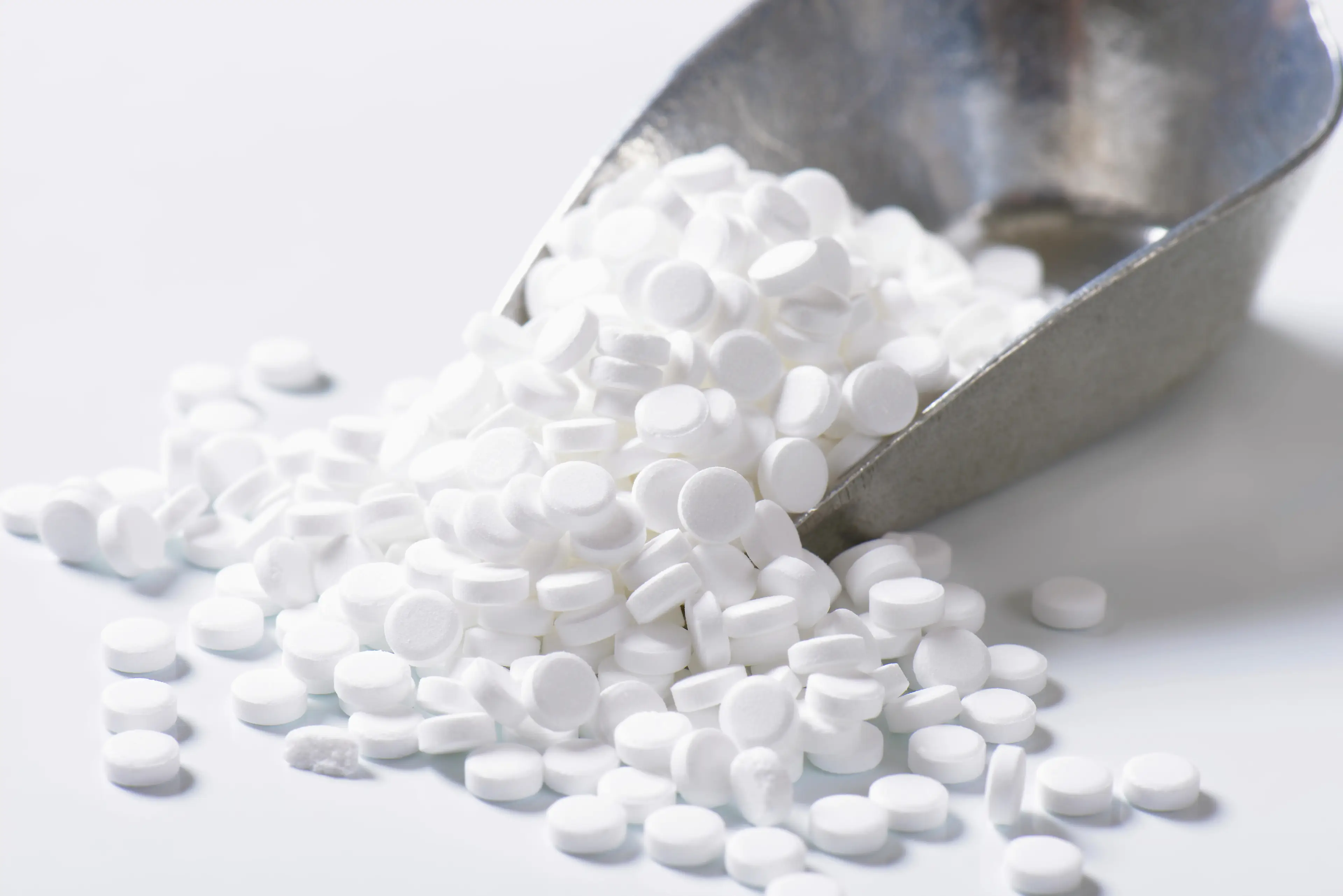
The dose of each supplement did not exceed the 50 milligrams per kilo of body weight recommended by the Food and drug Administration (FDA).
Advert
The study found that those who were given aspartame and stevia had an altered gut microbiome. Aspartame and stevia are typically found in diet sodas and juices.
Meanwhile, those who were given saccharin and sucralose where less able to absorb sugar. Saccharin and sucralose are sugars substitutes often used for baking.
To monitor blood sugar levels, each participant wore a glucose monitor for the duration of the trial. Glucose tolerance tests were regularly administered.
Stool samples were also taken from each participant and implanted into mice who had no gut microbiome.
The results showed that those who were given saccharine and sucralose had problems absorbing sugar, while all four sweeteners showed changes to the gut microbiome.
Dr. Eran Elinav, who led the study, said: "Our trial has shown that non-nutritive sweeteners may impair glucose responses by altering our microbiome."
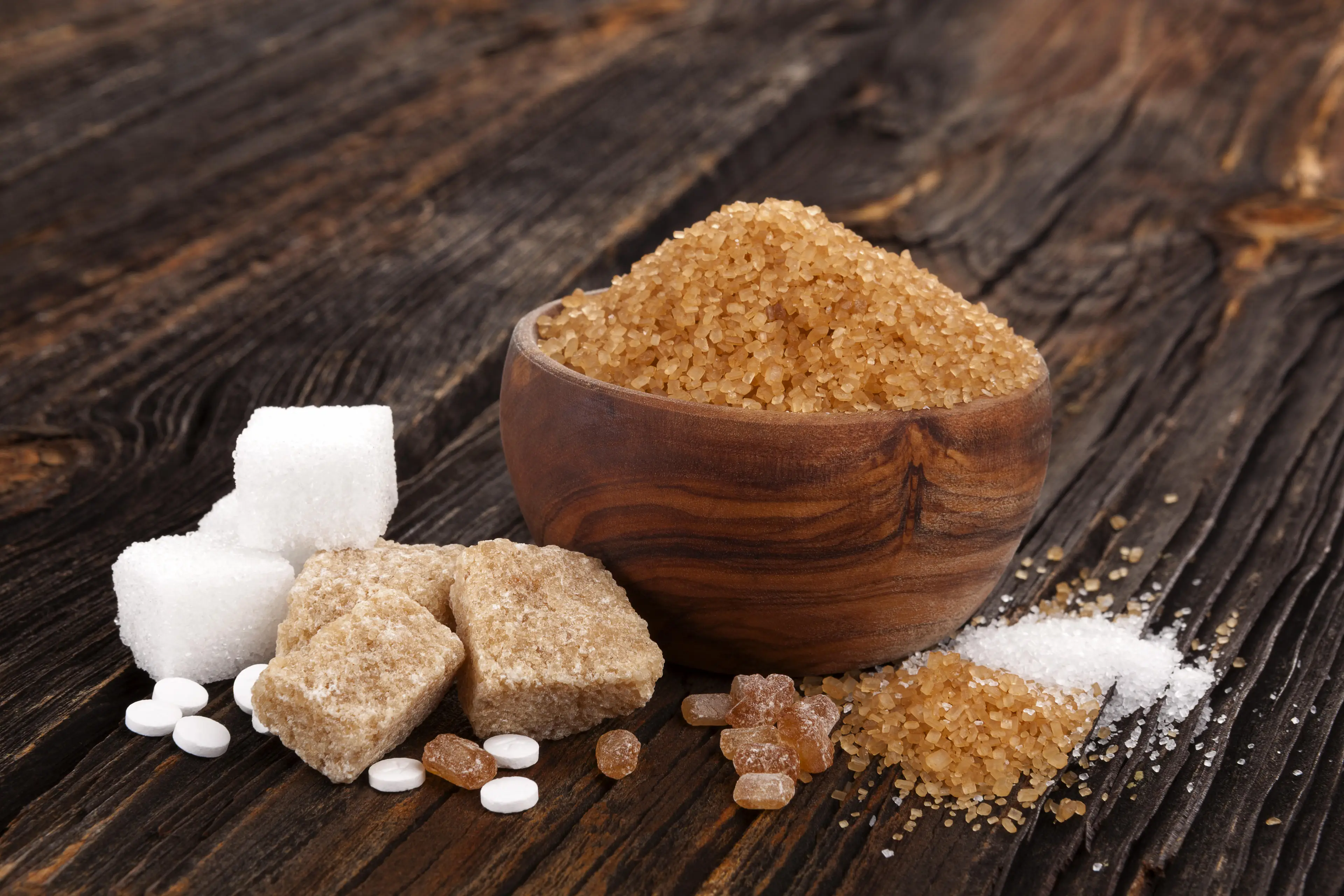
Dr Elinav added: "In my opinion as a physician, once it has been noted that non-nutritive sweeteners are not inert to the human body, the burden of proof of demonstrating or refuting their potential impacts on human health is at the responsibility of those promoting their use and we should not assume they are safe until proven otherwise. Until then, caution is advised."
Dr Elinav also said a long-term study would need to be conducted to determine whether sweeteners raise the risk of diabetes.
However, the immunologist explained that consuming sugars is a 'well-proven health risk for obesity, diabetes and their health implications'.
All four of the sweeteners used in the study have been approved for consumption by the FDA. However, stevia which is often found in diet soda drinks are not as closely monitored by the FDA because it is classed as 'generally recognised as safe' (GRAS).
According to the FDA, Food additives and GRAS both must be determined by scientists to meet 'the safety standard of reasonable certainty of no harm under the intended conditions of its use'.
Food additives must undergo a premarket reviews and be approved by the FDA. However, GRAs substances do not require premarket approval, which means that companies can decide whether or not to use them without being required to notify the FDA.
Earlier this year the World Health Organisation launched a public consultation to determine the health effects of sweeteners.
The meta-analysis of studies concluded: "Results from prospective cohort studies suggest the possibility of long-term harm in the form of increased risk of obesity, type 2 diabetes, cardiovascular diseases and mortality. Further research is needed to determine whether the observed associations are genuine, or a result of study design."
Topics: Science
 Shiala Mahmood