ladbible homepage
ladbible homepage
  • Home
  • News
    • UK
    • US
    • World
    • Ireland
    • Australia
    • Science
    • Crime
    • Weather
  • Entertainment
    • Celebrity
    • TV
    • Film
    • Music
    • Gaming
    • Netflix
    • Disney
  • Sport
  • Technology
  • Travel
  • Lifestyle
  • Money
  • Originals
    • FFS PRODUCTIONS
    • Say Maaate to a Mate
    • Daily Ladness
    • UOKM8?
    • FreeToBe
    • Citizen Reef
  • Videos
  • Advertise
  • Terms
  • Privacy & Cookies
  • License Our Content
  • About Us & Contact
  • Jobs
  • Latest
  • Archive
  • Topics A-Z
  • Authors
Facebook
Instagram
X
Threads
Snapchat
TikTok
YouTube
Submit Your Content Here
  • GAMINGbible
  • LADbible Group
  • UNILAD
  • SPORTbible
  • Tyla
  • FOODbible
  • UNILAD Tech
 Mysterious 'cold blob' joins El Niño in major threat to global health
Home>News
Updated 15:55 9 Jun 2026 GMT+1Published 14:36 9 Jun 2026 GMT+1

Mysterious 'cold blob' joins El Niño in major threat to global health

The cold patch in the North Atlantic is getting even colder because of a weakening Atlantic Meridional Overturning Circulation (AMOC)

Anish Vij

Anish Vij

google discoverFollow us on Google Discover

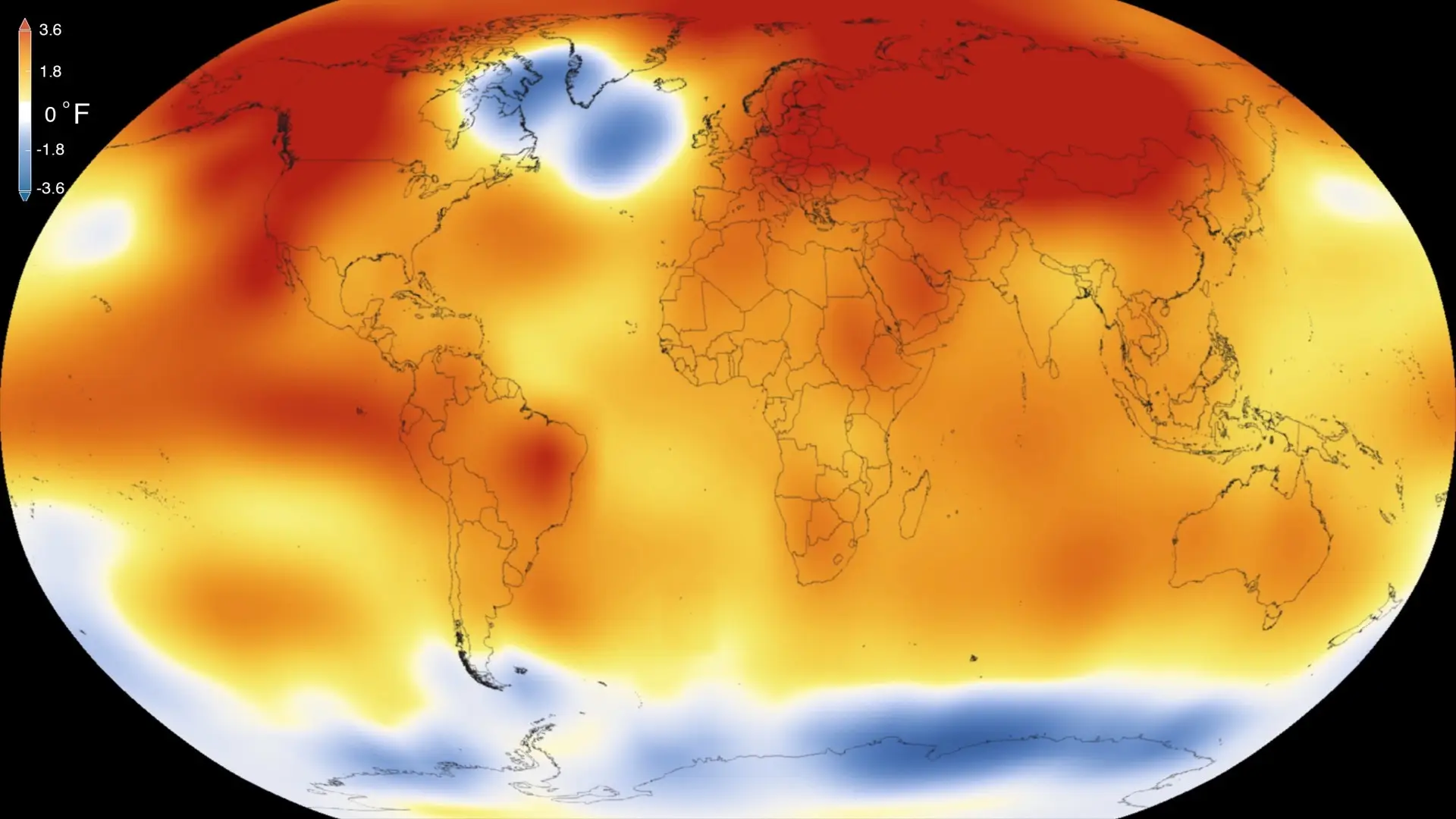
Scientists are concerned about a patch of unusually cold water in the North Atlantic Ocean, referred to as the 'cold blob' or 'warming hole'.

While a particularly powerful El Niño is on the horizon, this patch of ocean near Greenland has cooled by about 1°C over the past few decades.

A new study has now linked the cold blob to a weakening Atlantic Meridional Overturning Circulation (AMOC), a major system of ocean currents that carries warm water from the tropics towards Europe. This system helps regulate weather and temperatures around the world.

The slowdown may be caused by melting ice from Greenland, because as fresh water flows into the ocean, it essentially reduces the saltiness of the water, making it harder for the AMOC to operate as it normally does.

Advert

This weakens the flow of warm water and contributes to the cold blob.
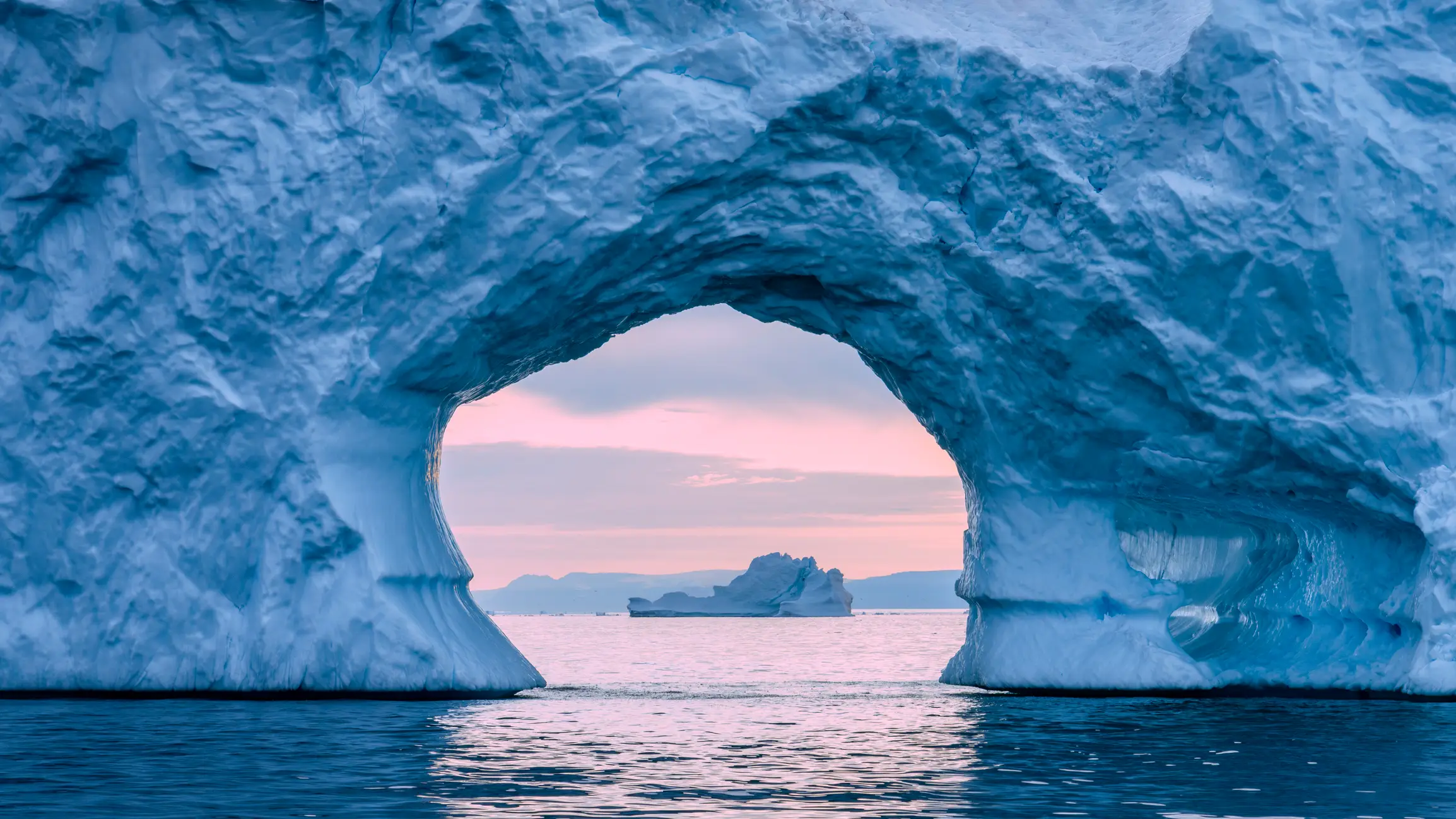
The cold patch in the North Atlantic is getting even colder because of a weakening Atlantic Meridional Overturning Circulation (Getty Stock Image)

“People have been asking why this cold spot exists,” said University of California Riverside climate scientist Wei Liu, who led the study with doctoral student Kai-Yuan Li.

“We found the most likely answer is a weakening AMOC.”

“Our results show that only the models with a weakening AMOC get it right,” Liu added. “That means many of the recent models are too sensitive to aerosol changes, and less accurate for this region.”

What a ‘cold blob’ means for Europe

The effects would not be limited to Europe. A weaker AMOC could also cause sea levels to rise more quickly along the east coast of North America.

At the same time, rainfall could decrease in parts of Africa and Asia, threatening agriculture, water supplies and public health.
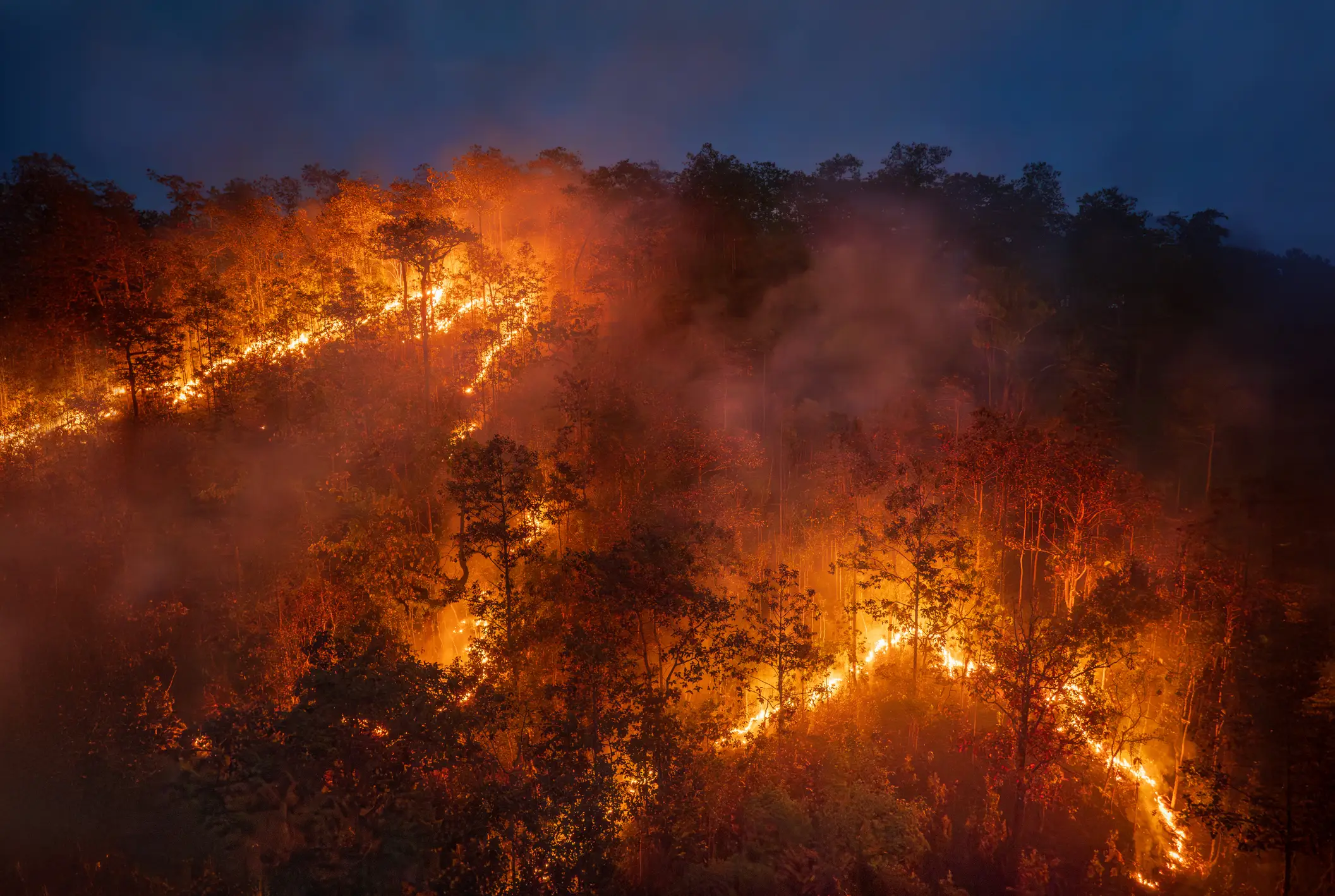
The strongest ever El Niño is coming (Getty Stock Image)

Difference between ‘cold blob’ and Super El Niño

El Niño refers to the unusually warm phase that occurs when surface waters in the Pacific Ocean heat up.

It happens when normal, east-to-west trade winds weaken or reverse, causing warm water to pool along the Americas and disrupt global weather, often causing heavy rains in some regions and severe droughts in others.

Europe's most advanced long-range weather model — the ECMWF — has issued its May forecast showing a 100 percent chance of the strongest El Niño ever recorded forming by November 2026.

Unlike El Niño, a cold blob it may be a long-term climate change signal and could lead to colder European winters, rising sea levels and reduced rainfall in parts of Africa and Asia.
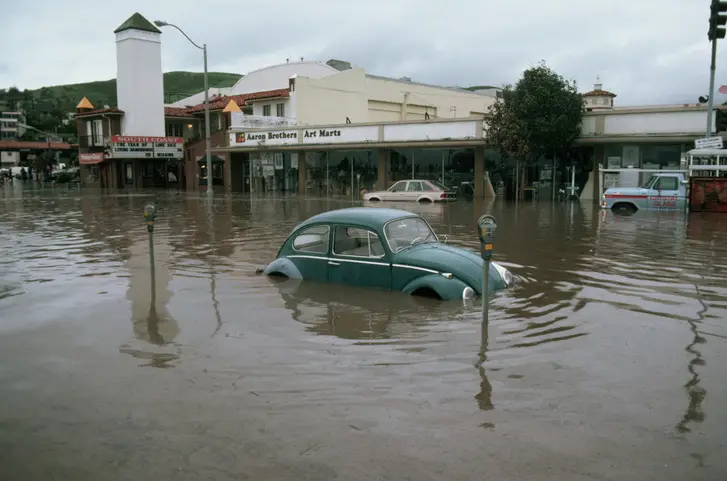
A patch of ocean near Greenland has cooled by about 1°C over the past few decades (Getty Stock Images)

How does an El Niño year happen?

Strap in, folks. It’s time for some science.

It all starts with something called trade winds, which are permanent winds around the equator which usually blow from east to west. So in the equatorial Pacific, they blow from the Americas towards Australia and New Zealand.

As the wind blows the water east, it is warmed by the sun, so by the time it gets to the other side of the Pacific, the warm water causes hot air to rise, leading to warm, wet and unsettled weather. Meanwhile, colder water from deeper in the ocean rises in the east to replace the water blown west.

But during El Niño years, this gets disrupted.
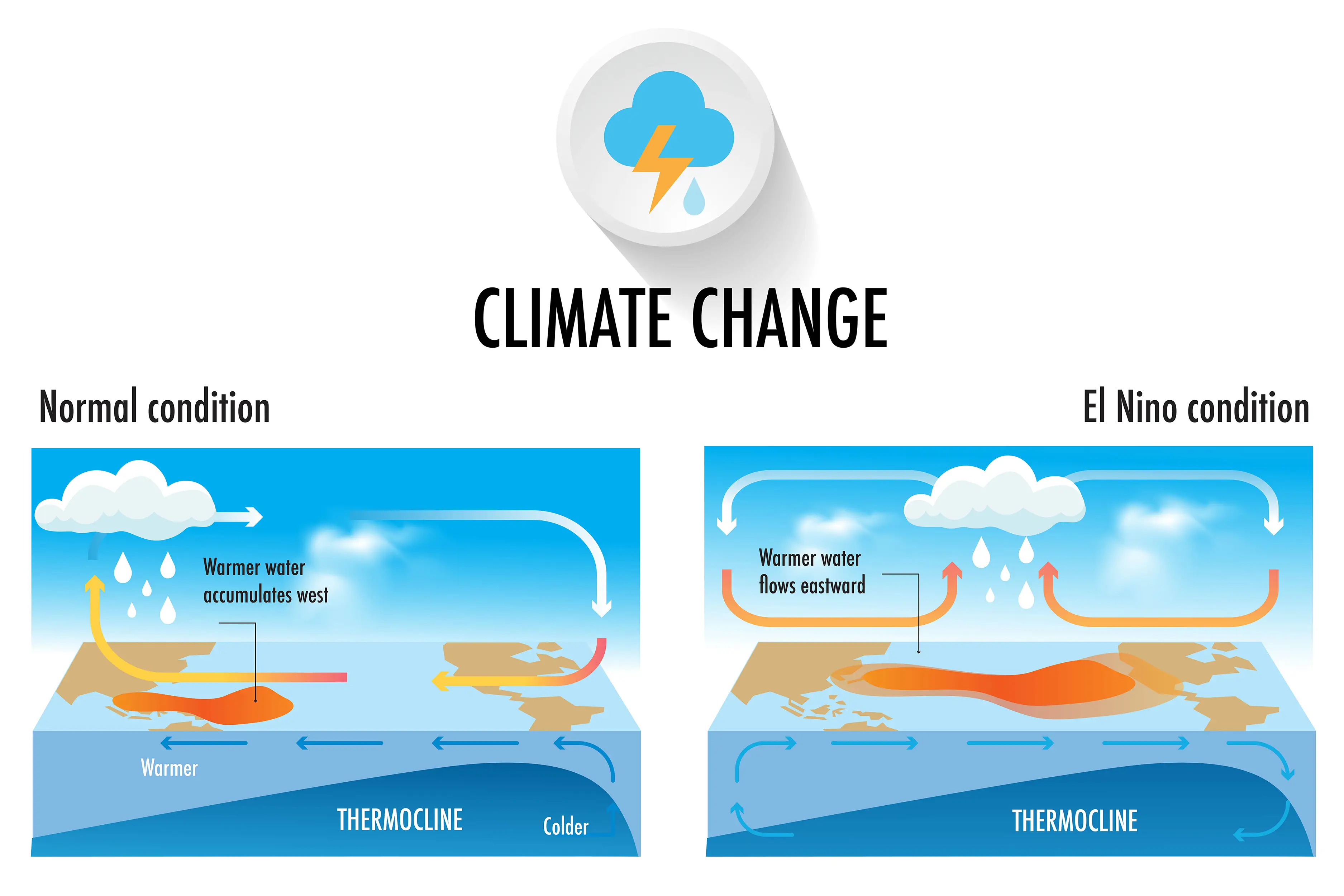
This is how an El Niño year happens (Getty Stock Image)

When trade winds are weakened or even reversed, the temperature difference between the east and west is cancelled out, and usually cold parts of the ocean warm up.

Rainfall and wind patterns change across the equatorial Pacific, which has a knock-on effect around the world.

Anyone else's head hurt a bit?

Featured Image Credit: NASA

Topics: El Niño, Weather

Anish Vij
Anish Vij

Anish is a Journalist at LADbible Group and is a GG2 Young Journalist of the Year 2025. He has a Master's degree in Multimedia Journalism and a Bachelor's degree in International Business Management. Apart from that, his life revolves around the ‘Four F’s’ - family, friends, football and food. Email: [email protected]

X

@Anish_Vij

Recommended reads

Millie Bobby Brown hits back at claims husband Jake Bongiovi doesn't help herAxelle/Bauer-Griffin/FilmMagicTwo lucky football fans being paid $50,000 to watch every single World Cup match in a glass cubeInstagram/@FoxOneDwayne Johnson reveals cancer scare after finding ‘really painful’ lump LISA O'CONNOR / AFP via Getty ImagesDiscovery of ancient 'headless' burial site could finally solve 7,000-year-old mysteryProceedings of the Prehistoric Society

Advert

Choose your content:

an hour ago
4 hours ago
5 hours ago
  • Instagram/@FoxOne
    an hour ago

    Two lucky football fans being paid $50,000 to watch every single World Cup match in a glass cube

    The phrase 'dream job' gets thrown around a lot...

    News
  • Proceedings of the Prehistoric Society
    4 hours ago

    Discovery of ancient 'headless' burial site could finally solve 7,000-year-old mystery

    A bunch of headless skeletons have raised questions

    News
  • Photo by David McNew/Getty Images
    4 hours ago

    Meteorologist explains most dangerous US cities to be in as El Niño begins

    The El Niño could last until 2027 as Paul Pastelok talks about its global impact

    News
  • Instagram/@mackenzieshirilla
    5 hours ago

    Mackenzie Shirilla has new job behind bars as she makes plea for freedom

    It seems the convicted murderer now has something to distract herself after being as 'bored as hell'

    News
  • The ultimate UK festival prep guide, from outfits to camping essentials
  • When Super El Niño will peak as NASA release new images of weather phenomenon
  • ‘Godzilla’ El Niño predicted to wreak havoc on entire world
  • Terrifying ‘worst case scenario’ of ‘Super El Niño’ as NASA releases new images