ladbible homepage
ladbible homepage
  • Home
  • News
    • UK
    • US
    • World
    • Ireland
    • Australia
    • Science
    • Crime
    • Weather
  • Entertainment
    • Celebrity
    • TV
    • Film
    • Music
    • Gaming
    • Netflix
    • Disney
  • Sport
  • Technology
  • Travel
  • Lifestyle
  • Money
  • Originals
    • FFS PRODUCTIONS
    • Say Maaate to a Mate
    • Daily Ladness
    • UOKM8?
    • FreeToBe
    • Citizen Reef
  • Videos
  • Advertise
  • Terms
  • Privacy & Cookies
  • License Our Content
  • About Us & Contact
  • Jobs
  • Latest
  • Archive
  • Topics A-Z
  • Authors
Facebook
Instagram
X
Threads
Snapchat
TikTok
YouTube
Submit Your Content Here
  • GAMINGbible
  • LADbible Group
  • UNILAD
  • SPORTbible
  • Tyla
  • FOODbible
  • UNILAD Tech
Signs to look out for that you’ve got a ‘cortisol’ body and what to do about it
Home>News>Health
Published 15:59 27 Apr 2024 GMT+1

Signs to look out for that you’ve got a ‘cortisol’ body and what to do about it

First things first, what on earth is a 'cortisol' body?

Joe Harker

Joe Harker

google discoverFollow us on Google Discover

Gather round everyone, it's time to do a bit of learning about the human body.

It's packed full of all sorts of chemicals, endorphins and hormones which run things and help us react to what's going on around us.

One of these hormones us walking meatbags have inside us is called cortisol, and it's basically our body's natural steroid.
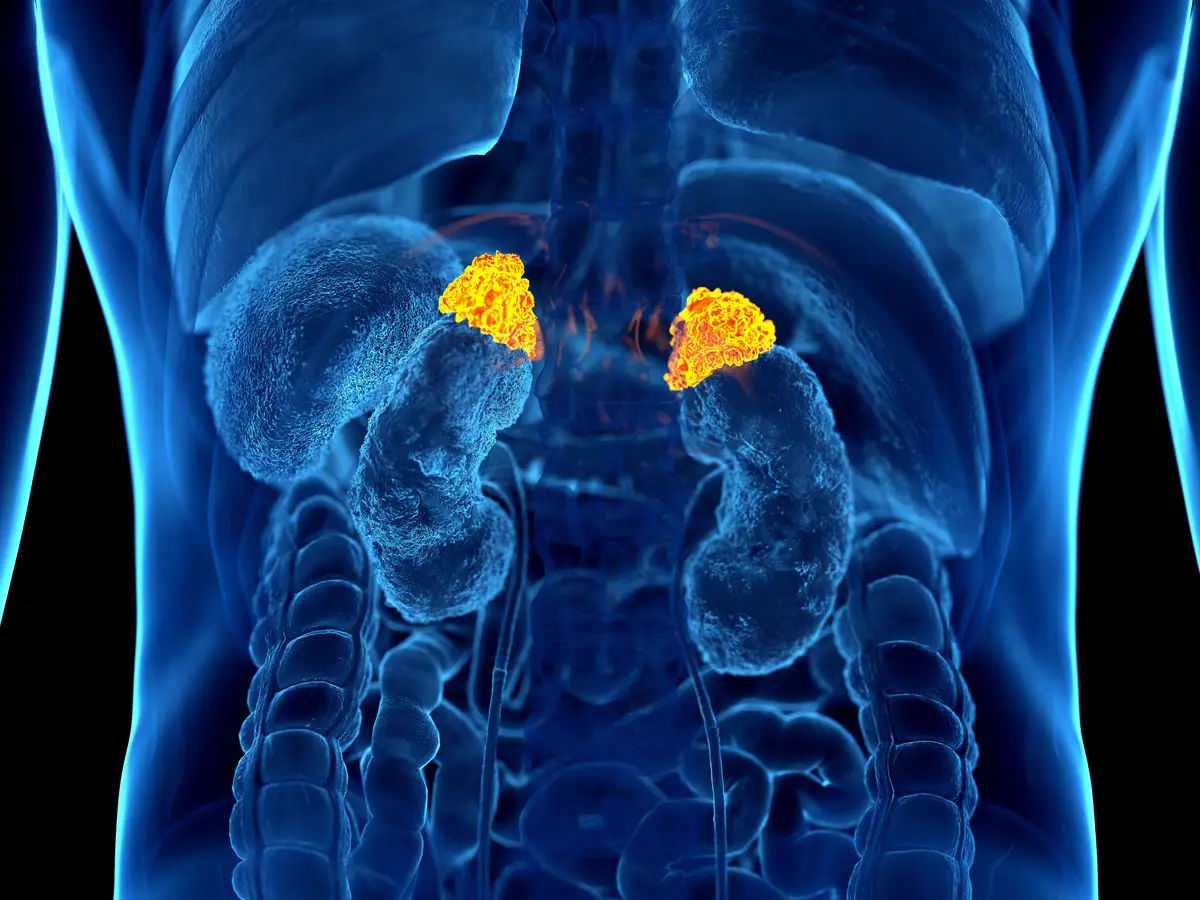
Cortisol is produced in your adrenal glands, just above your kidneys. (Getty Stock Photo)

What is cortisol?

It helps control your blood sugar level, helps you deal with stress and controls the pressure and circulation of your blood.

Advert

Cortisol is a very useful thing to have and you'd miss it if it was gone, but you can have too much of a good thing.

What happens if you have too much cortisol?

In this case, having too much cortisol in your body can lead to something called Cushing's syndrome, and it normally affects people who've been taking steroids as they also contain cortisol.

Having too much of the hormone in your system can also produce a number of other reactions in your body which can essentially present as the symptoms of stress.

If you're constantly stressed, then your cortisol levels are going to be higher for an extended period of time and it'll start kicking off some symptoms.

What are the symptoms of having too much cortisol?

One of the signs to look out for is an increase in gaining weight, specifically around the chest and stomach, while the arms and legs are perhaps not as affected.

You may also find that your face has become puffy and you're feeling pain more acutely.

The signs to look out for aren't just in terms of appearance either, as you'll be more likely to have mood swings and feelings of anxiety, while your sex drive will be through the floor as well.
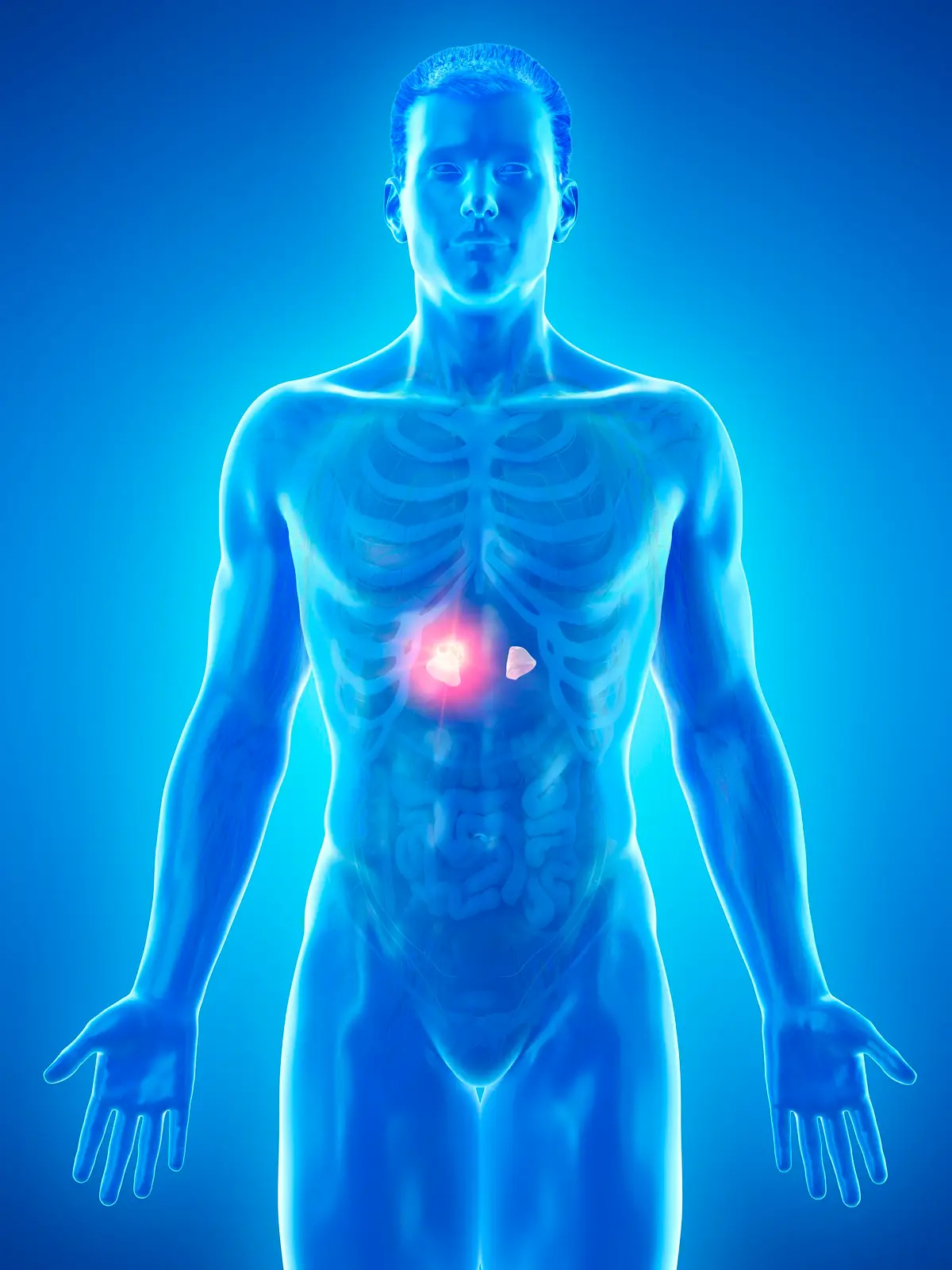
You've got to try and reduce stress, there's some things which can help. (Getty Stock Photo)

On top of that you'll be more likely to get ill as stress makes it harder for your immune system to properly combat infections.

How you can fix your cortisol levels?

As for things you can do to sort this out, The Sun has been digging around for some potential solutions.

Apparently your morning coffee isn't a great idea as the caffeine can make your body more stressed and that'll in turn release cortisol, so perhaps you ought to find a different warm drink.

You should also try not to get on your phone as soon as you wake up, which might be difficult to do, but bombarding your brain with information while it's still waking up is a bad idea.

Exercise may be good for you, but the more intense forms might be stressing you out more than you realise. Oh and you should also fight the desire to snack on unhealthy foods, which come with being a bundle of stress.

Featured Image Credit: Getty Stock Images

Topics: Health, Science, Food And Drink, Mental Health, NHS

Joe Harker
Joe Harker

Joe graduated from the University of Salford with a degree in Journalism and worked for Reach before joining the LADbible Group. When not writing he enjoys the nerdier things in life like painting wargaming miniatures and chatting with other nerds on the internet. He's also spent a few years coaching fencing. Contact him via [email protected]

X

@MrJoeHarker

Recommended reads

Blair Witch actress resurfaces after quitting Hollywood after movie to live completely different lifeSummit EntertainmentFive celebrities you didn't know were in Breaking Bad before they were famousAMCGrandma of hiker who went missing after sending mysterious ‘shadow man’ pic issued him warning beforeFamily HandoutEngland star Elliot Anderson has famous sibling not many people know about Joe Prior/Visionhaus via Getty Images

Advert

Choose your content:

5 hours ago
7 hours ago
8 hours ago
  • Family Handout
    5 hours ago

    Grandma of hiker who went missing after sending mysterious ‘shadow man’ pic issued him warning before

    Daylenn 'Moke' Pua's relatives said they urged him not to head on the trek to Hawaii's 'Stairway to Heaven'

    News
  • Joe Prior/Visionhaus via Getty Images
    5 hours ago

    England star Elliot Anderson has famous sibling not many people know about

    The newly-signed Manchester City star isn't the only athlete in the family.

    News
  • BBC
    7 hours ago

    Wimbledon teenage star immediately disqualified over mistake on court

    A right balls up

    News
  • X
    8 hours ago

    World Cup presenters in Mexico give worrying update amid delay fears

    Those on the ground in Mexico City reckon that delays are inevitable

    News
  • Doctor reveals five foods 'you’ve been avoiding’ that lower dementia risk
  • Insane simulation shows what ‘superfood’ chia seeds actually do inside your body
  • Experts issue warning about 36-hour fast as step-by-step simulation shows what actually happens to body
  • Surprising new vitamin C clue linked to brain changes seen in Alzheimer's