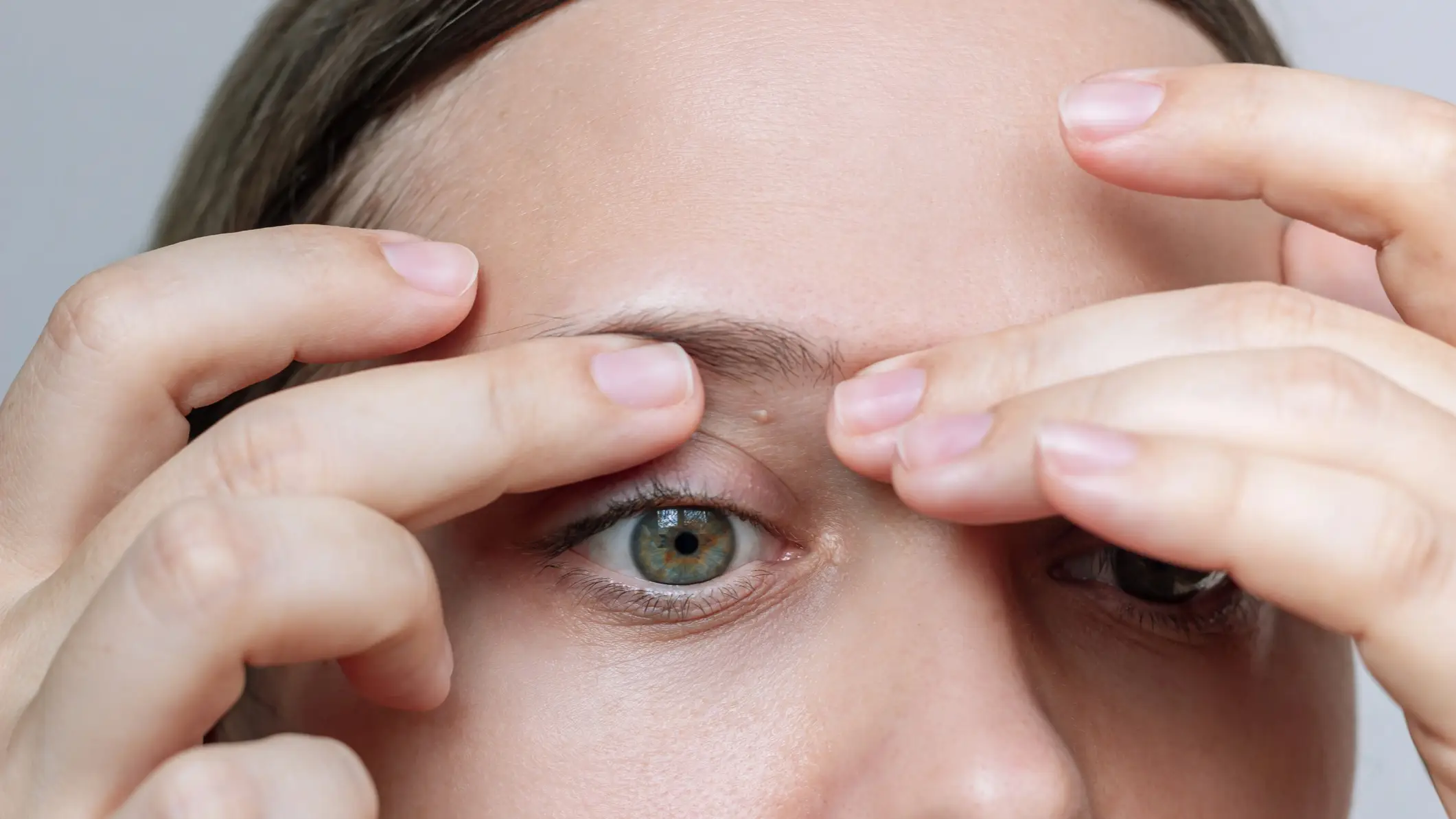

We've all probably woken up to a new spot right before a big interview or first date, but sometimes the method of getting rid of them simply isn't worth it.
While red spots and blackheads can be safely treated at home, even if it means taking drastic measures, dermatologists have issued a health warning about treating small white spots, which can pop up all over the body, whether on your face or in your downstairs region.
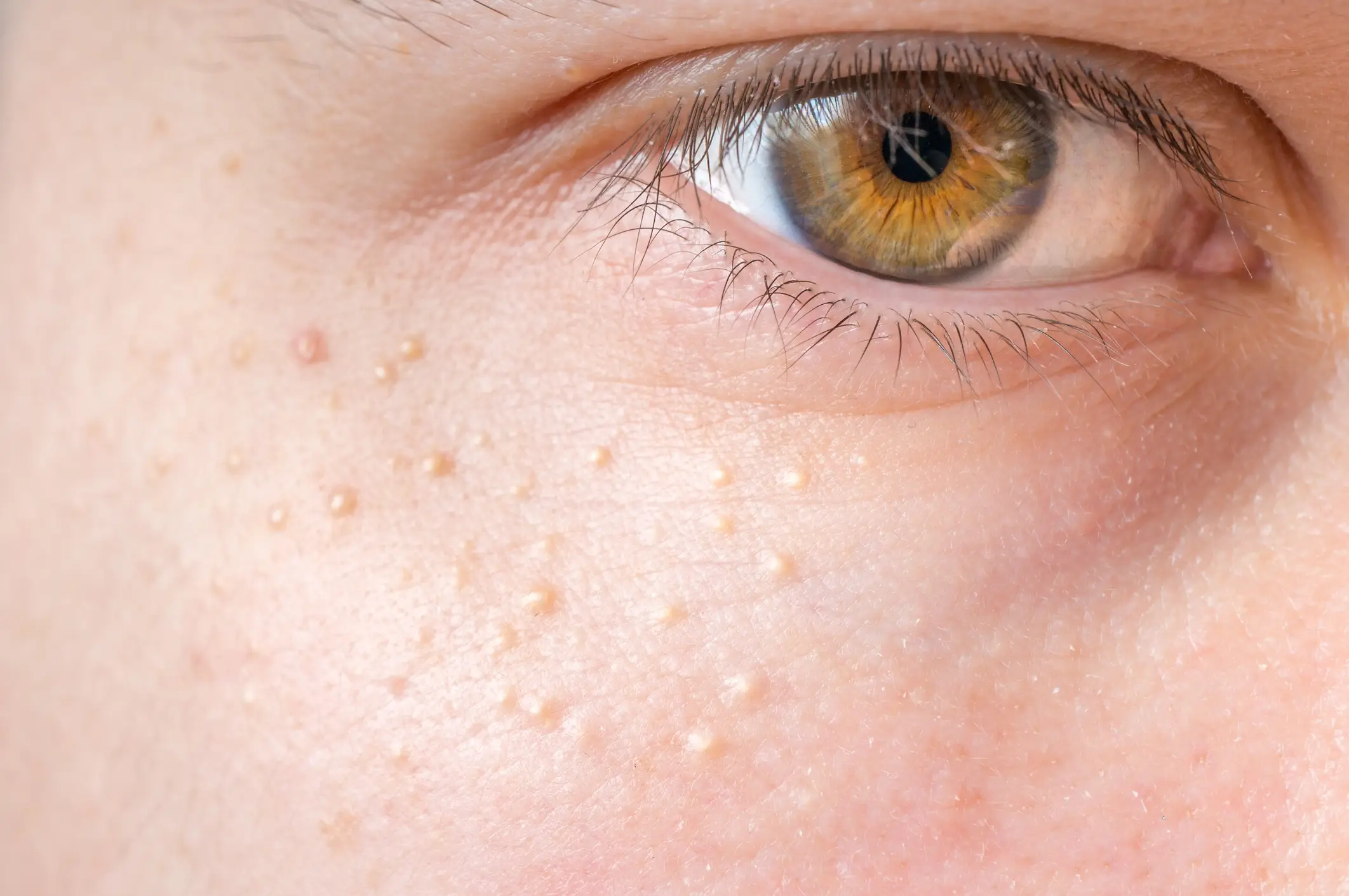
The white spots, also known as milia or milk spots, occur when dead cells become trapped under the skin's surface. While that might sound alarming, the spots are actually completely harmless, similar to 'Fordyce spots'.
Cleveland Clinic also suggests that sun exposure, steroid creams, and autoimmune responses can lead to milia developing. Still, while you might be desperate to get rid of them, you can actually do yourself a lot of harm by attempting to remove them at home.
Advert
Why you shouldn't remove milia spots by yourself
Since the spots are under the skin's surface, it's pretty tricky to get rid of them, and you're likely to cause scarring by trying to dig them out.
Speaking to Women's Health, Dr Marnie Nussbaum explained how milia differ from whiteheads and why you're best off speaking to a dermatologist before doing anything yourself.
She said: "Milia are tiny keratin-filled cysts on the surface of the skin. They are often confused with whiteheads or acne breakouts. However, these bumps are filled with hard keratin balls, rather than liquid sebum and bacteria. And they cannot be extracted easily."
The London Dermatology Centre adds that attempting to pop them with tweezers or a blackhead remover can also risk infection if the tools are unsterilised.
Plus, they say squeezing them doesn't do much because they're so deep in the skin.
How can I remove milia spots?
Instead of trying to squeeze it out, which won't work, the doctor suggested using a cleanser or exfoliator to remove dead skin cells on your face, while Retinol is also an option.
She said: "Retinols are extremely helpful in preventing and treating milia, as they increase skin-cell turnover and therefore help bring cells to the surface to prevent their formation."
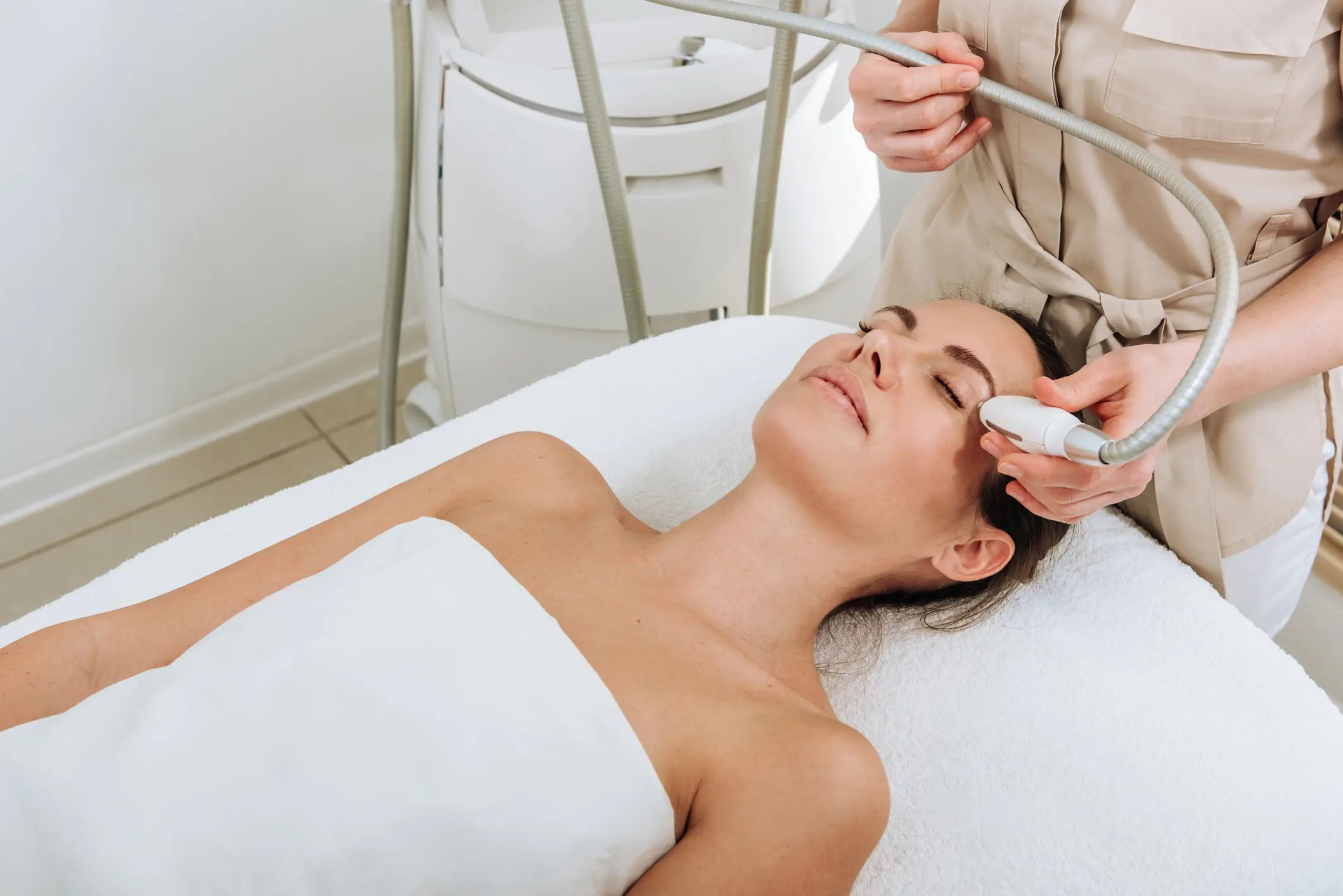
If you're looking for a quicker fix, it's a trip to a dermatologist, who will extract the keratin with a sterile needle, and for any stubborn milia, then laser treatment might also be an option.
Dr Nussbaum also shared some advice on how to keep your skin feeling fresh, thereby reducing the likelihood of milia.
She concluded: "It is essential to properly cleanse the skin twice daily to remove dead skin cells, extra sebum, and product."
So, lads, please put any fragile masculinity you might have to the side and make sure you've got yourself a healthy nighttime skincare routine, otherwise you might end up paying the price in the long term.
Topics: Health
 James Moorhouse