

Colon cancer is now the leading cause of cancer death in people under the age of 50 in the US.
The American Cancer Society's (ACS) 2026 Colorectal Cancer Statistics report has estimated that there will be 158,850 new cases of colon cancer, also known as bowel cancer, this year.
Out of those cases, 55,230 are expected to die from the disease that's found anywhere in the large bowel, including the colon and rectum.
Mortality among people aged between 20 and 49 rose by one percent each year from 2004.
Advert
The researchers said that the health burden for people born after 1950 will 'continue to swell like a tsunami moving through time'.
Colon cancer starts as small growths in the bowel called polyps.
These cancerous lumps in the colon can be detected and removed via a colonoscopy, while other screening tests can give doctors an indication of the risk.
That's why early screening is so important.

Harmful lifestyle habits
Lifestyle changes can also reduce the risk of colon cancer, so eating healthier, maintaining a healthy weight and not smoking.
Habits that may increase the risk of developing colorectal cancer include:
· Drinking three or more alcoholic drinks a day
· Having a body mass index of 30 or greater
· Eating a lot of red meat and/or processed meat
· Having a diet low in fruits, vegetables, and other fiber
· Having low physical activity levels most days
· Smoking
Symptoms of colon cancer
According to the NHS, symptoms of bowel cancer may include:
Changes in your pooing habits

James Van Der Beek, who tragically died aged 48 following a colorectal cancer diagnosis, said changes in his bowel movements were the first sign he needed to get checked out.
He told People: “I thought maybe I needed to stop coffee. Or maybe not put cream in the coffee. But when I cut that out and it didn’t improve, I thought, ‘All right, I better get this checked out.’”
Feeling very tired for no reason
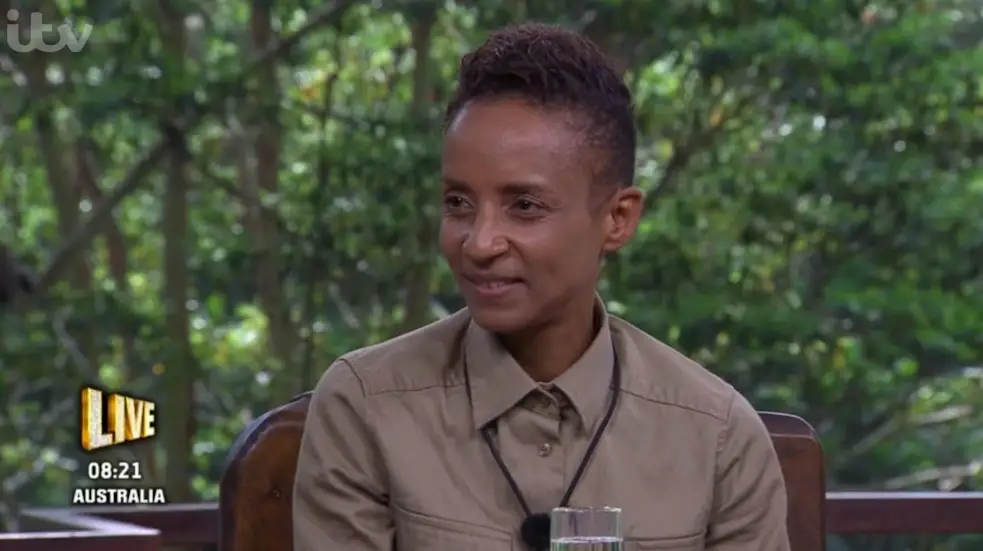
Radio 1 DJ Adele Roberts was diagnosed with bowel cancer in 2021, and was thankfully declared cancer-free the following year after eight months of treatment.
She started experiencing symptoms while taking part in I'm a Celebrity... Get Me Out of Here! in 2019 - the most obvious being fatigue.
She wrote in her book Personal Best: From Rock Bottom to the Top of the World: "I also used to find it very hard to stay awake once the sun had gone down. It was like my body would lose power with the light.
"My campmates were so worried about me."
She says eating 'hurt my tummy and I had no appetite anyway'.
Writing her symptoms off as the result of the show's meagre food rations, it unfortunately turned out to be something much more serious.
Tummy pain

Married at First Sight dating expert Mel Schilling was diagnosed with colon cancer in December 2023.
Heartbreakingly, she revealed last week that her cancer had returned and spread from her lungs to her brain.
She said of her early symptoms on ITV's Lorraine: "I wasn’t listening to my body. I was just full speed ahead, doing my job, travelling the world, doing my thing and living my best life, but all of these symptoms were happening in my body and I wasn’t paying attention.
"There was pain, there was constipation. I hadn’t been to the toilet in three weeks by the time it became acute, and I somehow managed to ignore that."
Other symptoms of colorectal cancer

· Bleeding from your bottom
· Feeling like you need to poo even if you've just been to the toilet
· A lump in your tummy
· Bloating
· Losing weight without trying
"Despite steady progress for older adults, both CRC (colon cancer) incidence and mortality are increasing in adults younger than 65 years who are in the prime of life, underscoring an urgent need for etiologic research to discover the cause of the rising trend," the ACS researchers note.
"Meanwhile, morbidity and mortality could be mitigated with earlier diagnosis, through screening and educating clinicians and the general public about CRC symptoms, and greater attention to the unique needs of younger patients, including discussion about the preservation of fertility and sexual health."
If you’ve been affected by any of these issues and want to speak to someone in confidence, contact Macmillan’s Cancer Support Line on 0808 808 00 00, 8am–8pm seven days a week.
Topics: Health, Bowel cancer, Cancer
 Anish Vij