

A woman has showcased the effects of taking collagen for a year, revealing whether it's really worth it.
According to the National Institutes of Health, collagen is the most abundant protein in the human body, serving as a structural glue that helps hold tissues together and is key to providing strength and elasticity to the skin, while also supporting bones, cartilage, ligaments, and tendons.
Collagen is also essential for both skin firmness and joint health, but its rise in popularity is mostly due to the former.
Our bodies already have an abundance of collagen, which accounts for 30 per cent of the body's total protein, yet people think they need more.
Advert
However, according to a new study, that might not be the case.
Why have collagen treatments become popular?
Last year, the cosmetic insurance company Hamilton Fraser shared its predictions for beauty trends, which emphasised a 'less is more' mindset when it comes to aesthetic treatments.
Gone are the 'overfilled faces' as Gen Z are becoming more focused on 'natural' treatments, as nurse practitioner Julie Scott said: "Patients now prefer subtle enhancements and natural rejuvenation."
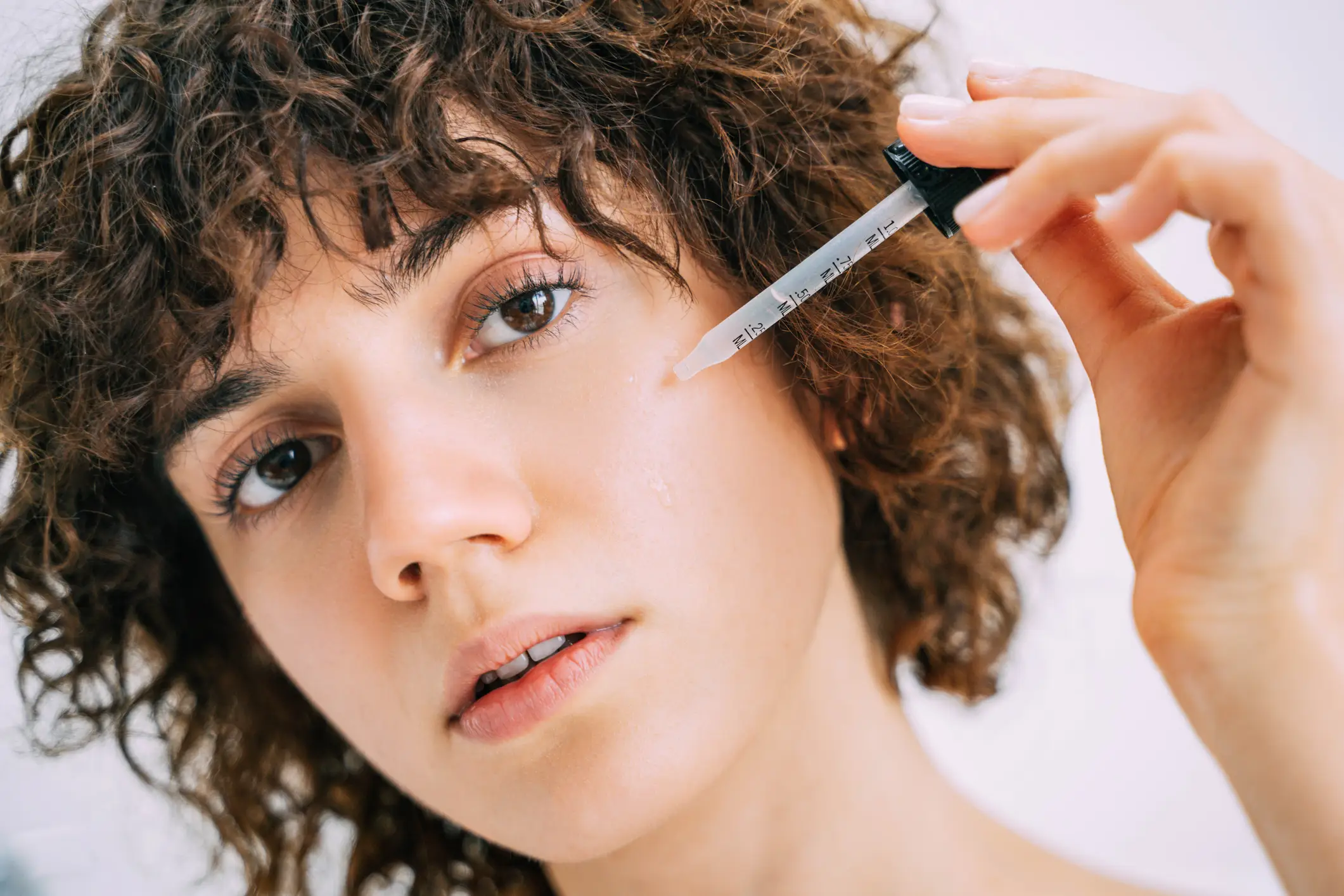
To achieve this, collagen production has become a necessity, as Ella Vranjkovic, a cosmetic lead at Hamilton Fraser, added: "There’s an increasing demand for subtle and ‘no-makeup’ looks. People are opting for treatments that subtly enhance their features without making dramatic changes.
“Injectables, which stimulate collagen production, will also see even more popularity as they offer natural-looking, long-term results. These treatments are often used in conjunction with more traditional filler treatments for comprehensive rejuvenation."
Meanwhile, AL Aesthetics shared a round-up of 2025's most-searched treatments from wellness platform, Fresha, revealing that while Botox reigned supreme at number one, thread lifts and polynucleotide injections, which stimulate collagen production and boost skin elasticity, were fifth and fourth, respectively.
Searches for polynucleotide injections had also risen 188 per cent worldwide, with 19,000 in the UK alone, according to the clinic.
'Collagen is not a cure-all'
Experts from the University of Anglia Ruskin have carried out a scientific review of the effects of daily collagen supplements, finding some 'legitimate' positives.
It can rejuvenate the skin by boosting elasticity and hydration or moisture, but arguably one of the biggest beliefs about collagen - that it can stop wrinkles - is wide of the mark.
The scientists said that the evidence points towards collagen pills or powder having 'some legitimate' skin gains over time, especially for menopausal women or those with UV-damaged skin, but nothing short-term.
Collagen is made naturally in the body, with the production slowly declining with age. Smoking and sun damage can worsen collagen production, while existing collagen could be broken down more quickly.
Adding that 'bold claims' are often used in relation to 'collagen supplementation' in marketing, Prof Lee Smith, one of the lead investigators, explained: "Collagen is not a cure-all, but it does have credible benefits when used consistently over time, particularly for skin and osteoarthritis.
"Our findings show clear benefits in key areas of healthy ageing, while also dispelling some of the myths surrounding its use."
What impact can collagen have?
Despite these findings, though, social media influencers have been big on the supplements, even showing off the positive impact that collagen has had on their appearance.
YouTuber Sara Anderson uploaded a video marking one year since she started taking collagen, explaining that you should feel improvements in your joints, hair, skin, and even nails.
The content creator then shared before-and-after snaps, showcasing her progress.
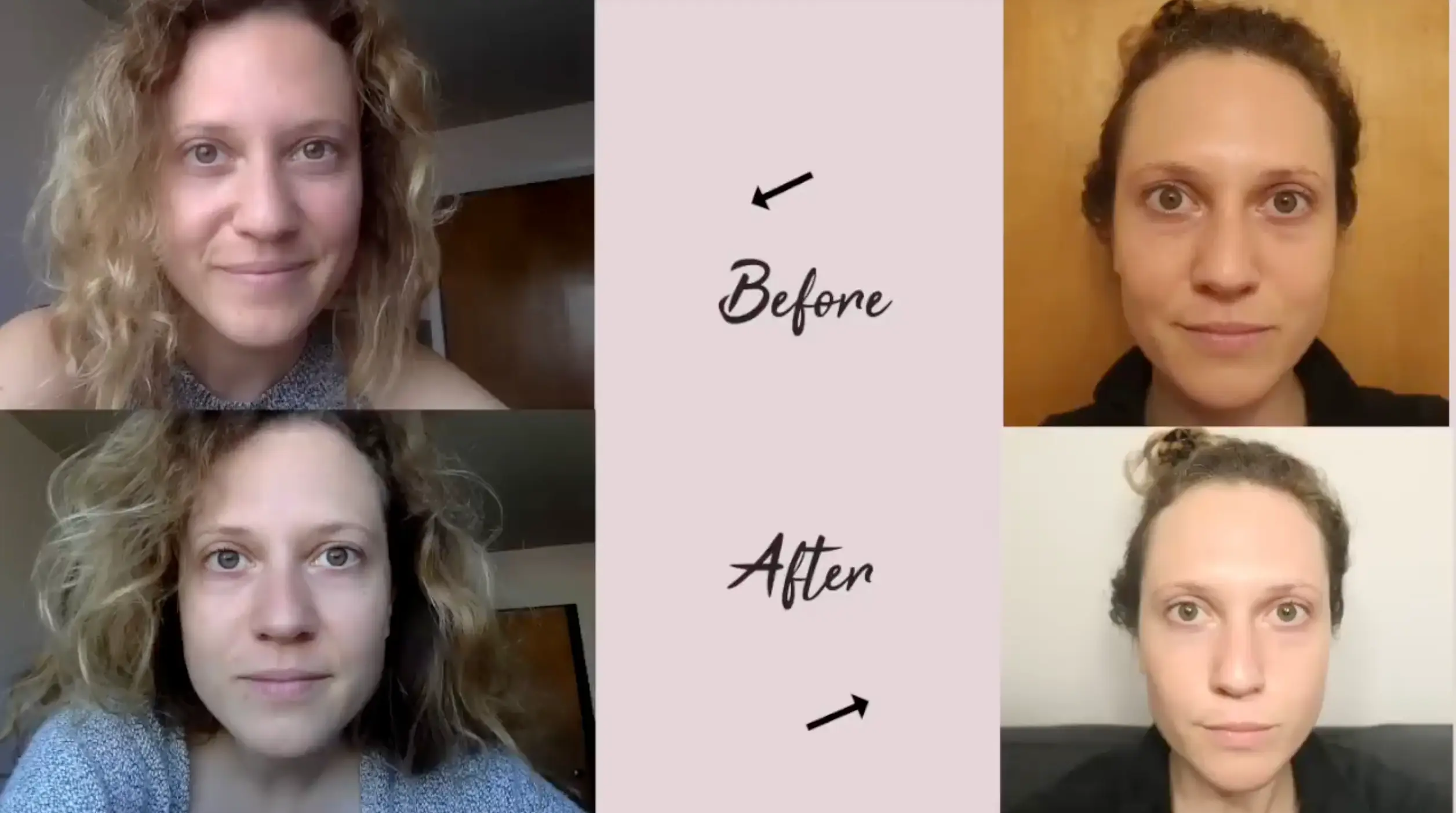
She said that she won't give collagen credit for her improved hair, as she was treating that anyway, but she noticed positive changes in all other aspects.
While many would expect a miracle, Sara said she still gets pimples, but she managed to get rid of the 'roughness' and 'bumps' on her face within just 30 days.
She also noted: "Before, sometimes if I didn't have any sort of foundation on, my face was just kind of blotchy and pinky - it just wasn't like one color and I think that since I started taking this, that has improved."
Sara highlighted that it was among her biggest positive changes, as well as her nails, while noting that the collagen powder was 'basically a protein powder.
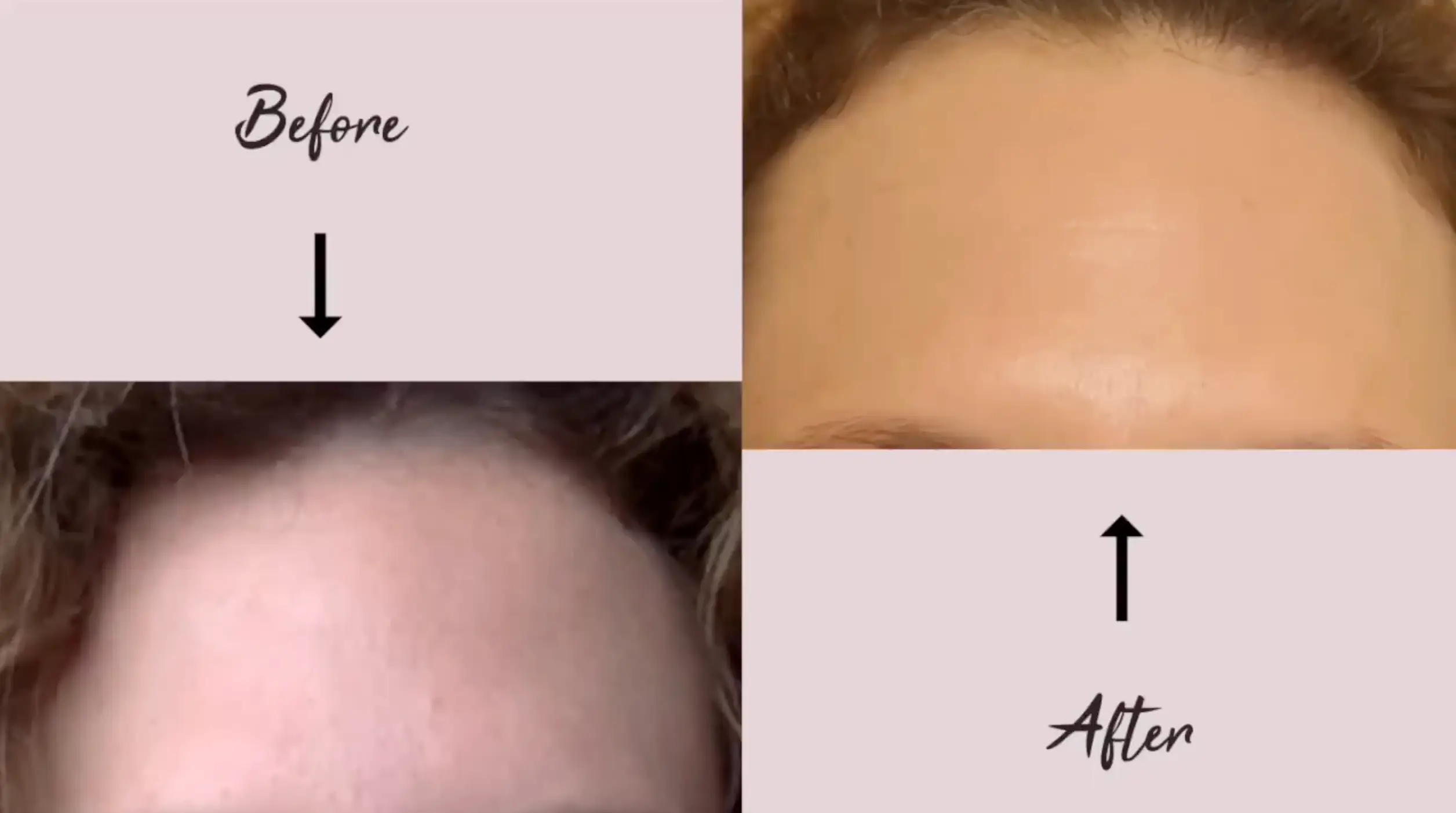
While the lighting wasn't consistent, as she 'didn't expect' anyone to keep up with her progress, she said there were enough positive changes that she will continue taking collagen.
But her scepticism about collagen being the answer to ageing is essentially reaffirmed by the 2026 study.
It is not an anti-wrinkle treatment, but it is good for maintaining ageing and sun-damaged skin.
Smith added: "If we define anti-ageing as a product or technique designed to prevent the appearance of getting older, then I believe our findings do support this claim for some parameters.
"For example, an improvement in skin tone and moisture is associated with a more youthful-looking appearance."
 Joshua Nair