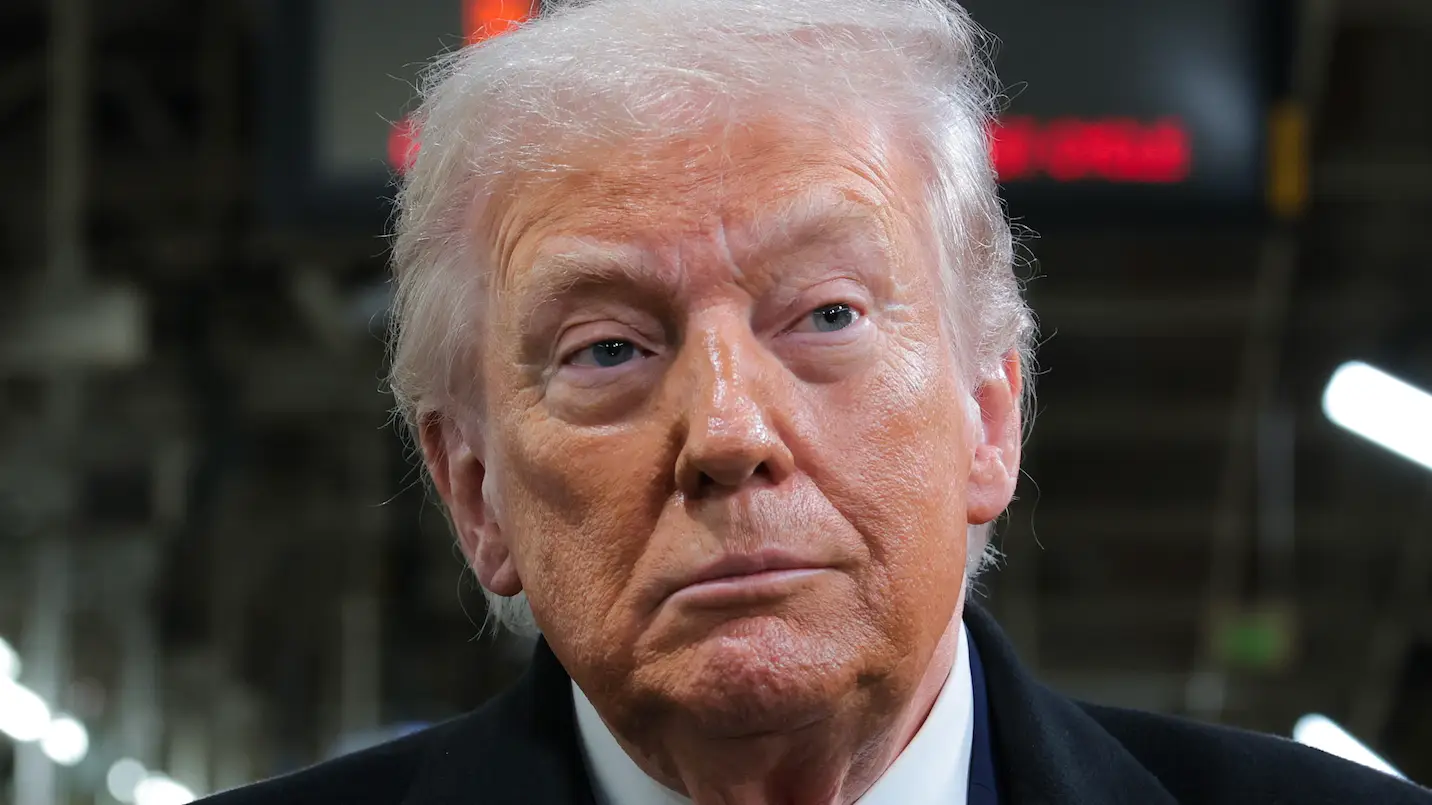

Iran has warned Donald Trump to 'be careful not to be eliminated' in a brutal assassination threat after the US president warned the country would be 'hit 20 times harder' if it stops the flow of oil through the Strait of Hormuz.
Pulling no punches, Ali Ardashir Larijani, secretary of the Supreme National Security Council, said: "The Ashura nation of Iran is not afraid of your empty threats. Even those greater than you could not eliminate the Iranian nation. Be careful not to be eliminated."
The post was signed: "Supreme National Security Council of Iran, Tehran, March 19, 1404 - 10 days after the martyrdom of His Holiness Grand Ayatollah Seyyed Ali Khamenei."
The message was a direct response after Trump took to Truth Social, where he threatened 'death, fire and fury' on the people of Iran if the country's leaders prevent the flow of oil within the Strait of Hormuz.
Advert
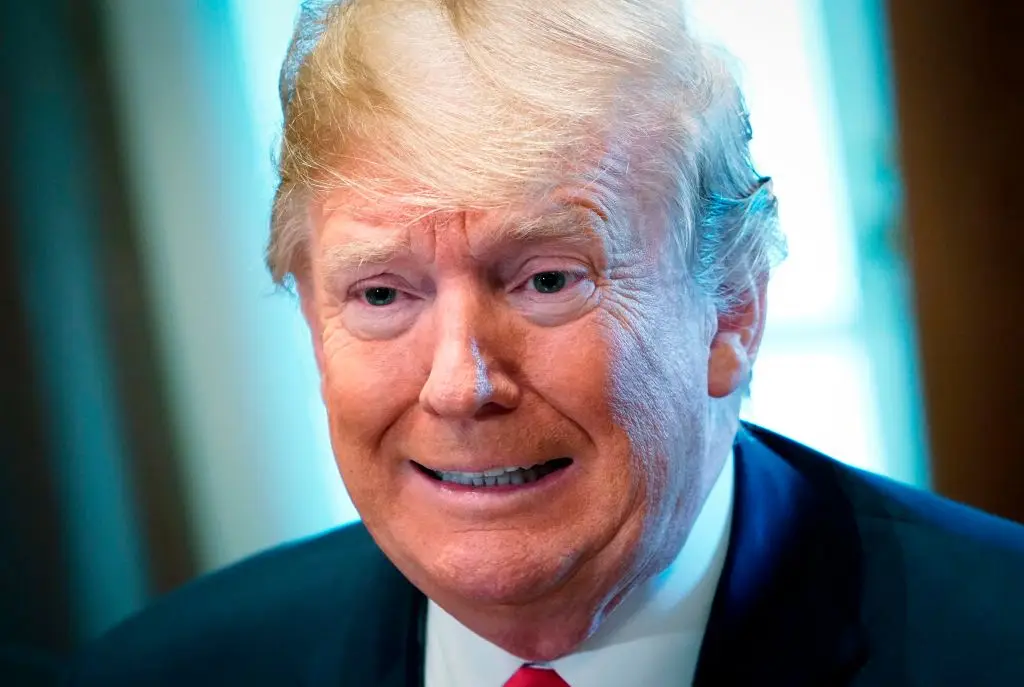
"If Iran does anything that stops the flow of Oil within the Strait of Hormuz, they will be hit by the United States of America TWENTY TIMES HARDER than they have been hit thus far," he wrote in the post.
"Additionally, we will take out easily destroyable targets that will make it virtually impossible for Iran to ever be built back, as a Nation, again—Death, Fire, and Fury will reign upon them—But I hope, and pray, that it does not happen!
"This is a gift from the United States of America to China, and all of those Nations that heavily use the Hormuz Strait. Hopefully, it is a gesture that will be greatly appreciated."
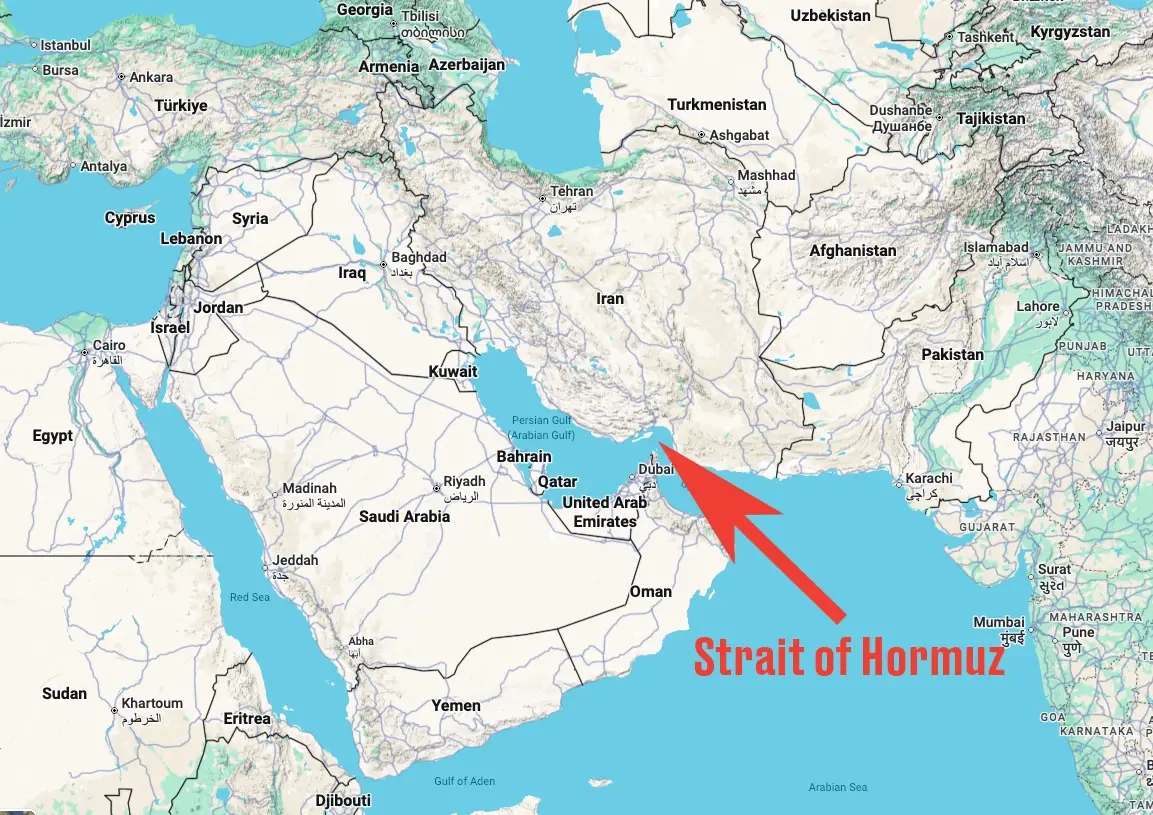
Trump's threat comes after the global price of a barrel of oil shot up to more than $100 on Monday (9 March), as around 20 percent of the world's oil passes through the Strait, which is the only sea passage from the Persian Gulf to the open ocean, providing one of the most critical chokepoints for oil.
He posted his message 10 days after the US and Israel joined forces in co-ordinated strikes against Iran, which killed the country's leader, triggering a full blown war in the Middle East.
However, the threats pose a stark contrast to comments the president made just hours prior, in which he said the war was 'very complete,' during an interview with CBS News.
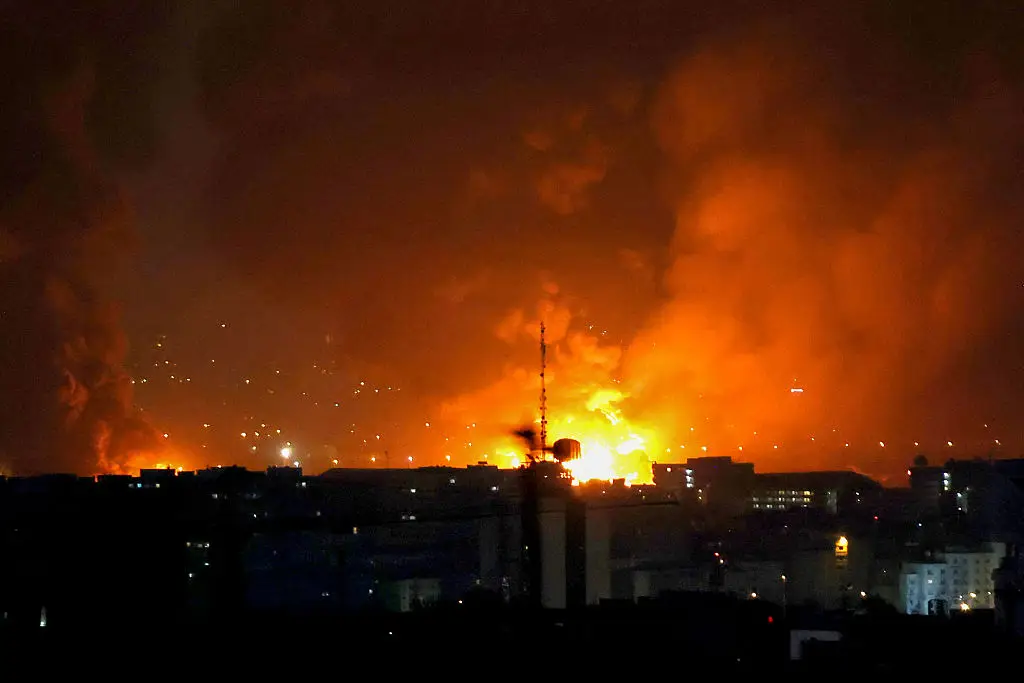
"I think the war is very complete, pretty much. They have no navy, no communications, they've got no Air Force. Wrapping up is all in my mind," he told the news outlet.
At a later press conference, a journalist questioned the claims the war was complete, pointing out that US Defense Secretary Pete Hegseth had said 'this is just the beginning.'
"So which is it?" the journalist asked, to which Trump responded: "You could say both."
Iran's Revolutionary Guard Corp responded to Trump's claims with their stance on the current position of the war, simply stating: "We are the ones who will determine the end of the war."
Why the sinking of Iran’s Iris Dena warship by a US submarine is so controversial
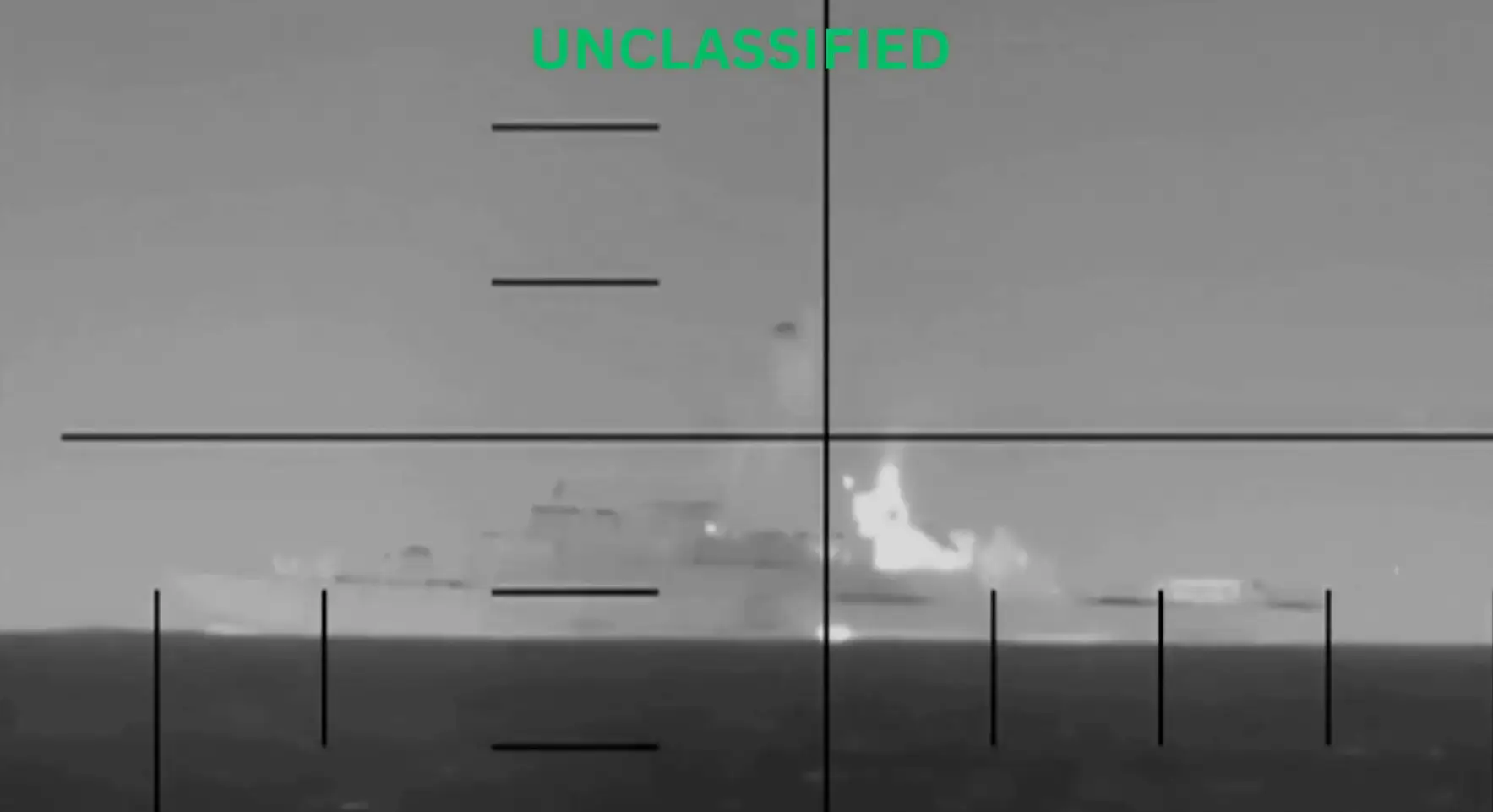
On 4 March, Iranian warship the Iris Dena was torpedoed by a US submarine in international waters.
According to Iran, 104 crew members were killed, while 32 were injured.
Iran's Foreign Minister Abbas Araghchi called the sinking ‘an atrocity at sea, 2,000 miles away from Iran's shores’.
Iran's Deputy Foreign Minister Saeed Khatibzadeh claimed: “That vessel was by invitation of our Indian friends, attending an international exercise. It was ceremonial. It was unloaded. It was unarmed.”
The U.S. Indo-Pacific Command branded the claim that the Iris Dena was unarmed ‘false’ on X.
Regardless, it marks a troubling widening of the conflict geographically, with the ship sunk off Sri Lanka.
The Iris Dena was one of three ships taking part in a naval exercise hosted by India, who had offered sanctuary to the Iris Dena and given it permission to dock on its shores days before it was attacked.
According to non-partisan law and policy journal Just Security, ships belonging to the armed forces of an enemy state ‘need not be armed, have weapons, or be engaged in military operations’ to become targets in a war.
Topics: US News, World News, Donald Trump
 Emma Rosemurgey