
ladbible homepage
ladbible homepage
  • Home
  • News
    • UK
    • US
    • World
    • Ireland
    • Australia
    • Science
    • Crime
    • Weather
  • Entertainment
    • Celebrity
    • TV
    • Film
    • Music
    • Gaming
    • Netflix
    • Disney
  • Sport
  • Technology
  • Travel
  • Lifestyle
  • Money
  • Originals
    • FFS PRODUCTIONS
    • Say Maaate to a Mate
    • Daily Ladness
    • UOKM8?
    • FreeToBe
    • Citizen Reef
  • Videos
  • Advertise
  • Terms
  • Privacy & Cookies
  • License Our Content
  • About Us & Contact
  • Jobs
  • Latest
  • Archive
  • Topics A-Z
  • Authors
Facebook
Instagram
X
Threads
Snapchat
TikTok
YouTube
Submit Your Content Here
  • GAMINGbible
  • LADbible Group
  • UNILAD
  • SPORTbible
  • Tyla
  • FOODbible
  • UNILAD Tech
New study shows huge breakthrough in male contraceptive pill
Home>News
Published 11:53 3 Sep 2022 GMT+1

New study shows huge breakthrough in male contraceptive pill

The study is very promising for the production of the male contraceptive pill

Emily Puckering

Emily Puckering

google discoverFollow us on Google Discover

A new study has shown a huge breakthrough in the ongoing production of a male contraceptive pill.

The days of women carrying the burden of contraception could soon be no more as the study demonstrated that two experimental male contraception pills successfully lowered testosterone.

The study, presented at ENDO 2022, the annual meeting of the Endocrine Society in Atlanta, Georgia, suggested that the two experimental pills were able to reduce testosterone without causing 'unacceptable side effects'.

As reported by Sci Tech Daily, the drugs DMAU and 11-MNTDC were used in the pills, which reduce testosterone - ultimately reducing the number of sperm produced.

Advert
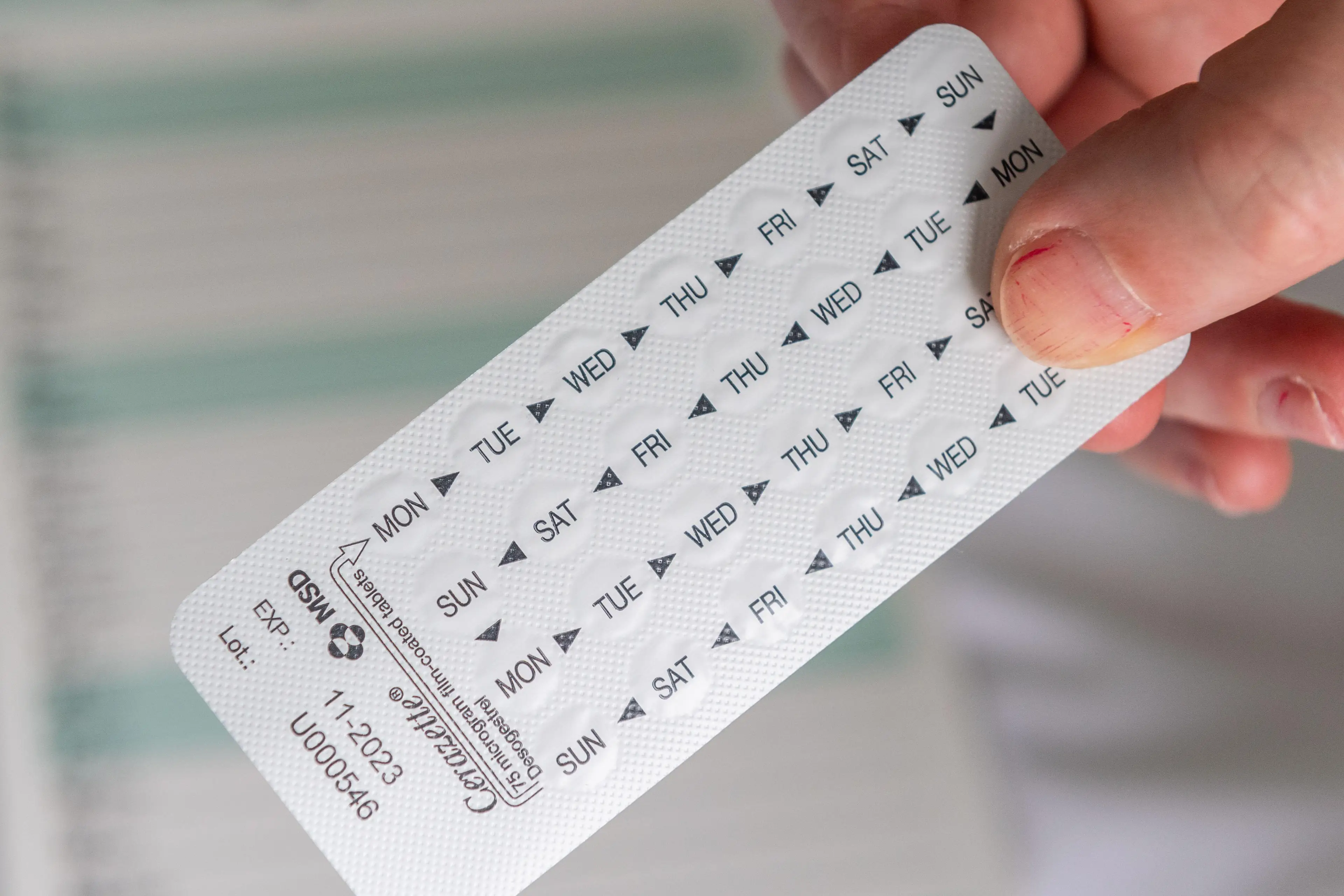
The study found that the two pills successfully lowered testosterone.
Andy Gibson/Alamy Stock Photo

96 'healthy male participants' took part in two Phase 1 clinical trials and for 28 days, the males in each trial were given either two or four oral pills containing the active drug or a placebo.

The men on the active drug had their testosterone levels fall below normal after seven days, while those on the placebo drug had their levels remain normal.

Although negative side effects of lowering testosterone have been quite common in the past - such as decreased body hair, hot flushes, fatigue and increased body fat, according to HealthLine - the majority of men in the study were willing to continue taking the drugs, indicating that the adverse effects were acceptable.

So much so, that 75 percent of the men who took the active drug said they'd be willing to use it in the future, compared to 46.6 percent of those taking the placebo.

Advert

Lead researcher Tamar Jacobsohn of the Contraceptive Development Program at the Eunice Kennedy Shriver National Institute of Child Health and Human Development said of the study: "Male contraception options are currently restricted to vasectomy and condoms, and are thus extremely limited as compared to female options."

She added: “Development of an effective, reversible male contraceptive method will improve reproductive options for men and women, have a major impact on public health by decreasing unintended pregnancy, and allow men to have an increasingly active role in family planning.
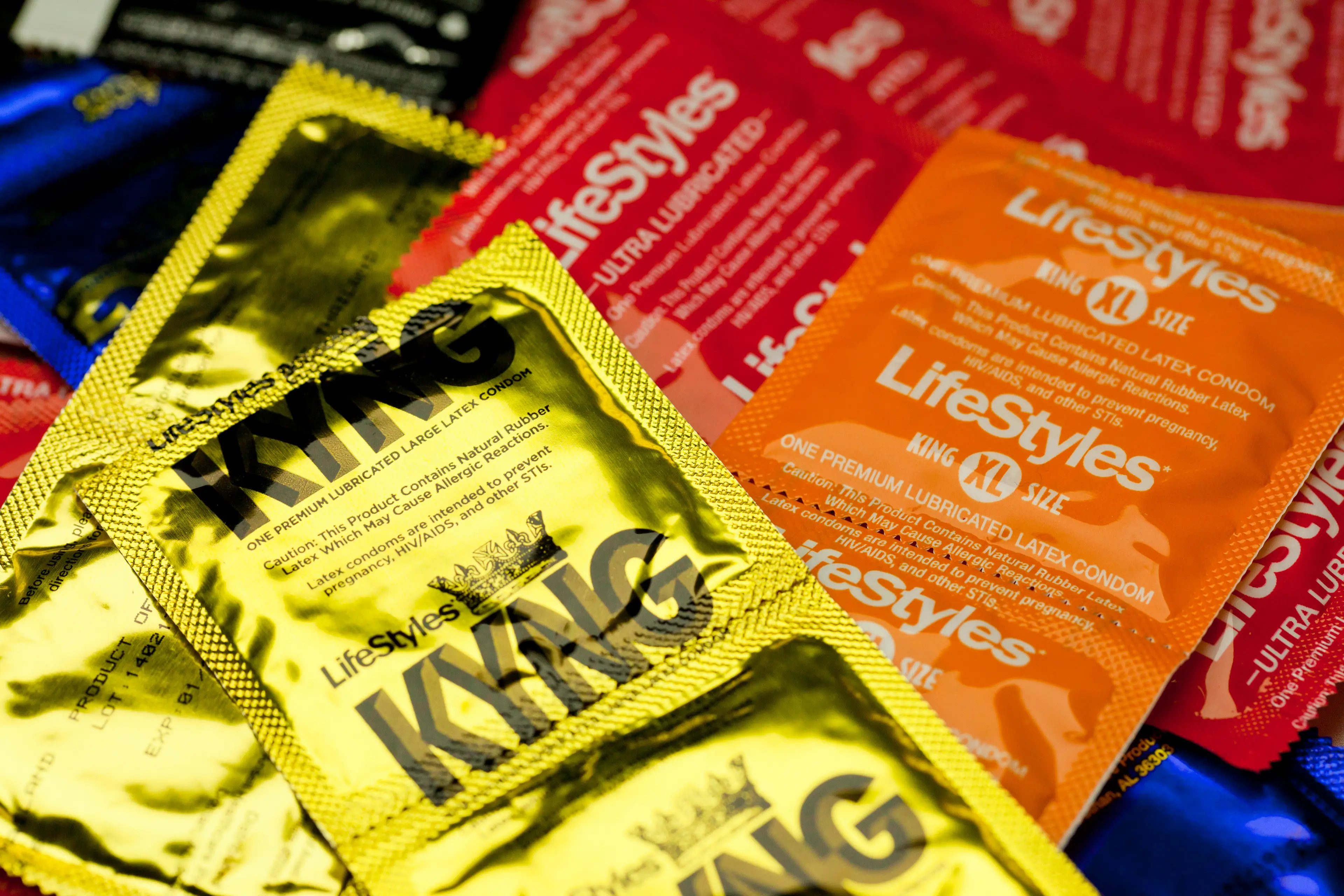
Condoms or vasectomy are the only options for male contraception at the moment.
B Christopher/Alamy Stock Photo

"Men’s positive experiences in clinical trials and high ratings of acceptability for this male pill should serve to excite the public about male birth control being potentially widely available in the coming decades."

As Jacobsohn outlined, the only contraceptive options for men are either condoms or a vasectomy - which is obviously a much more extreme option that isn't easily reversed.

Advert

So it looks like the prospect of a functional, male contraceptive pill is certainly on the horizon.

Featured Image Credit: Igor Mojzes/Science Photo Library/Alamy Stock Photo

Topics: Health, News

Emily Puckering
Emily Puckering

Emily is a sub-editor at LADbible Group. With degrees in English Language and Multimedia Journalism, she works with the editorial team on LADbible, UNILAD and Tyla sub-editing and writing articles. And for those who are interested, Emily is from East Yorkshire which means she makes a cracking cuppa.

X

@emily_puckering

Recommended reads

Rosie O’Donnell says Mounjaro 'saved' her life in heartbreaking admissionPaula Lobo/NBC via Getty ImagesMichael J. Fox opens up on impact his Parkinson’s diagnosis had on wife Tracy PollanADRIAN DENNIS/AFP via Getty ImagesTwo strangers who met at work realised they were siblings after becoming best friendsBBC/PA WireKiller whales filmed smashing huge fish to smithereens with torpedo headbutt before eating itDr Kathryn Ayres

Advert

Choose your content:

12 hours ago
13 hours ago
14 hours ago
  • BBC/PA Wire
    12 hours ago

    Two strangers who met at work realised they were siblings after becoming best friends

    They both took their tea the same way and loved tomato sauce butties, what more proof do you need?

    News
  • Dr Kathryn Ayres
    12 hours ago

    Killer whales filmed smashing huge fish to smithereens with torpedo headbutt before eating it

    Experts think the behaviour could possibly be a form of entertainment for younger whales

    News
  • GoFundMe
    13 hours ago

    Dad issues statement after 'happy and healthy' son, 5, dies after developing rare disease on holiday

    His son died from a very rare disease and he wanted to raise awareness

    News
  • Thananuwat Srirasant/Getty Images
    14 hours ago

    Tyson Fury wins comeback fight that wasn’t shown on TV

    Tyson Fury has won his comeback fight against Mariusz Wach in Thailand

    News

    breaking

  • New study discovers harmful effects of vaping in under 30s that are comparable to smoking
  • New study reveals creatine has unexpected positive side effect on health
  • British men become first in the world to test new male contraceptive pill in huge breakthrough
  • One in four heart disease deaths linked to common foods most of us eat everyday, new study finds