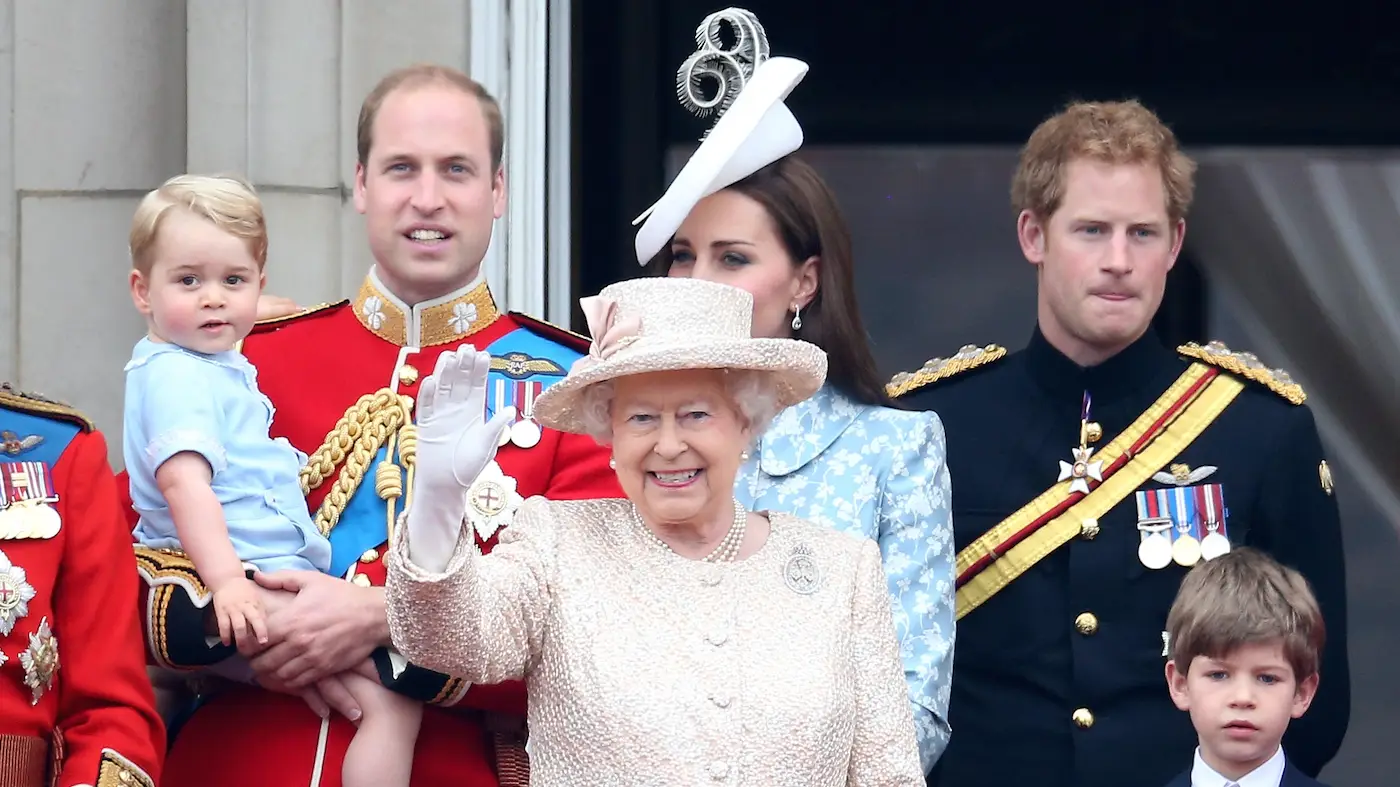
People with these surnames could be descendants of European royalty

The idea of being related to Kings, Queens and royal families might sound a little far-fetched.
However, experts reckon your surname could offer more clues about a possible royal connection than you think.
While sharing one of these names is not proof of royal ancestry, it could indicate that your family has connections stretching back to influential households.
This is basically because European royal families intermarried over centuries, creating a vast network of descendants spread across the continent.
Advert
As a result, historians believe millions of people alive today could share some degree of distant ancestry with European monarchs.
While the royal family's lineage in Britain can be traced back through centuries of Kings, Queens and noble houses, descendants of these families did not always retain royal titles.
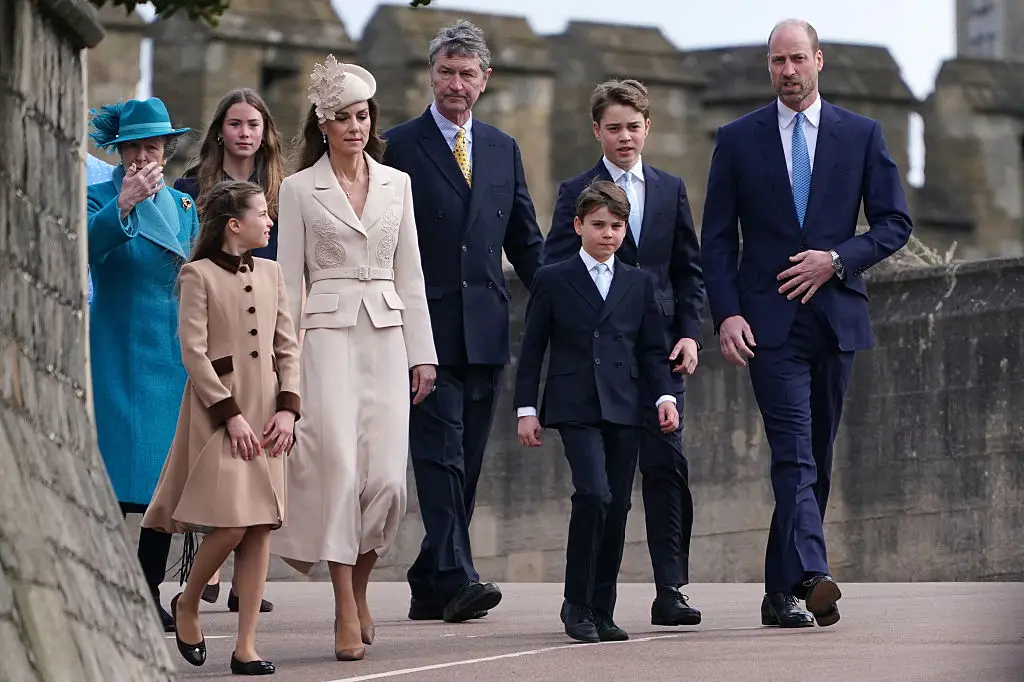
Over generations, family branches often moved away from court life, adopted different occupations and settled across the UK and beyond.
That means people carrying surnames traditionally associated with noble families may be unaware of their potential connections.
Therefore, it is possible that royal descendants have become farmers, tradespeople, teachers and professionals, with little indication of their family's historic status.
Well, thanks to the folks at MyHeritage, we have a list of 35 surnames that have historically been linked to aristocratic and noble bloodlines across Europe.
35 surnames that suggest you're distantly related to the royals:
- Windsor: The current British royal family's surname since 1917.
- Tudor: The Welsh dynasty that produced monarchs like Henry VIII and Elizabeth I.
- Stuart: A Scottish house that ruled England and Scotland in the 16th and 17th centuries.
- Plantagenet: A royal house that provided England with monarchs from Henry II to Richard III.
- Capet: The dynasty that ruled France from 987 to 1328.
- Bourbon: A European royal house that ruled France, Spain, and other territories.
- Habsburg: A prominent royal house of Europe, known for ruling the Holy Roman Empire.
- Hanover: The British royal house from George I to Queen Victoria.
- Valois: A cadet branch of the Capetian dynasty that ruled France.
- Lancaster: A branch of the Plantagenet dynasty, known for its role in the Wars of the Roses.
- York: Another Plantagenet branch, also central to the Wars of the Roses.
- Bruce: A Scottish royal house, with Robert the Bruce being a notable king.
- de Valois: A French royal house that produced several kings.
- de Medici: An influential Italian family that produced royalty and popes.
- Savoy: A royal family that once ruled parts of Italy and France.
- Orange-Nassau: The Dutch royal family.
- Oldenburg: A European royal house that includes the current Danish royal family.
- Glucksburg: A branch of the House of Oldenburg, associated with Danish and Norwegian royalty.
- Romanov: The last imperial dynasty to rule Russia.
- Baskerville: A noble family name with historical ties to English aristocracy.
- Darcy: A surname associated with medieval nobility and landowners in England and Ireland.
- Neville: A powerful English noble family with significant influence during the medieval period.
- Percy: An aristocratic English family known for their role in British history.
- Astley: A noble surname linked to the English peerage.
- Capell: A distinguished English family with historical ties to the aristocracy.
- Howard: A prominent aristocratic family in the UK, holding the title of Dukes of Norfolk.
- Seymour: The family of Jane Seymour, third wife of Henry VIII, with ties to the Dukedom of Somerset.
- Grey: Associated with Lady Jane Grey, England's nine-day queen.
- FitzAlan: A powerful medieval family, former Earls of Arundel.
- Courtenay: A noble family with connections to English and French royalty.
- Manners: The surname of the Dukes of Rutland, a high-ranking noble family.
- Russell: Connected to the Dukes of Bedford, an influential aristocratic lineage.
- Cavendish: The surname of the Dukes of Devonshire, a powerful British noble family.
- Talbot: A noble family holding the Earldom of Shrewsbury.
- Spencer: The family name of Princess Diana, tying it to the modern British royal family.
The history of the British royal family's surname
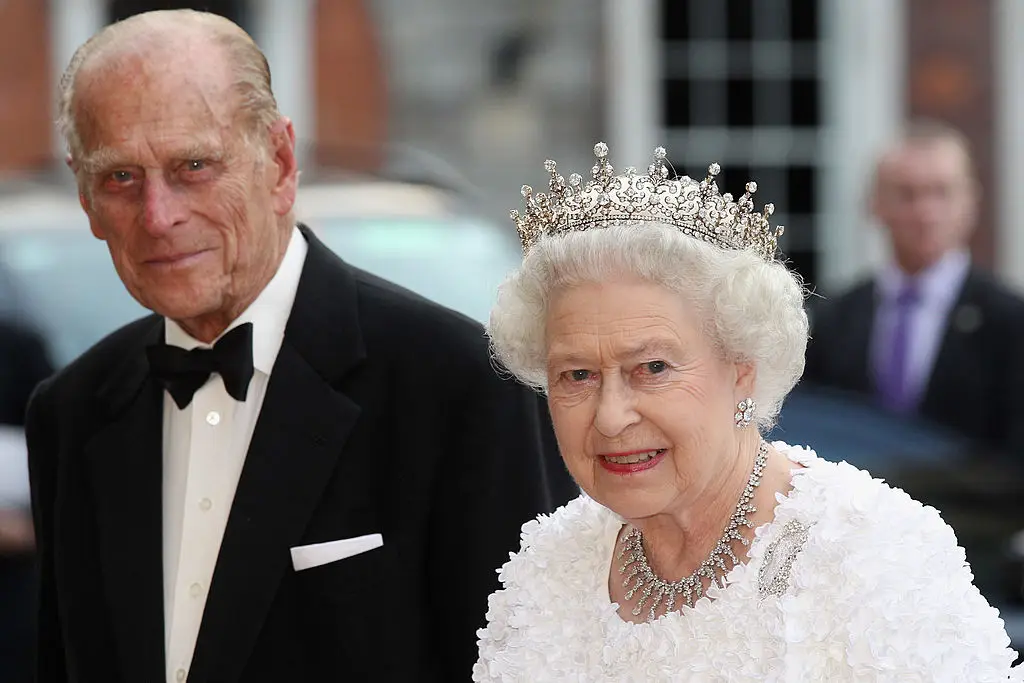
Setting aside all the potentially royal surnames out there, Windsor is the current surname of the British royal family. But where did this come from?
Prior to 1917, royal family members didn't have a surname and instead went by the name of the house or dynasty they belonged to. However, this changed when King George V adopted Windsor as both his family's surname and the name of the 'House'.
It's believed George chose Windsor to eliminate his former German surname, Saxe-Coburg-Gotha, due to the strong anti-German sentiment in Britain at the time, per EBSCO.
Windsor has been used as the royal surname ever since - though everyone will be aware that George V's granddaughter, Queen Elizabeth II, took on the joined surname of Mountbatten-Windsor - the surname of he husband Prince Philip.
This was because, according to the royal family's website, she and Philip decided in 1960 that they wanted their 'own direct descendants to be distinguished from the rest of the Royal Family'.
So it was declared that descendants of Queen Elizabeth, excluding those who enjoy 'the style, title or attribute of Royal Highness and the titular dignity of Prince or Princess', as well as female members who marry, would use the surname Mountbatten-Windsor.
Topics: Royal Family
 Anish Vij