
Cancer research lab worker warns against four food and drink items she'd never consume

Cancer is a cruel disease in that it can seemingly strike any person at any time, but there are still some precautions we all need to take.
The ever-growing number of bowel cancer cases certainly proves that we should all be very careful about what we're putting into our bodies, which is why it is so important to listen to genuine nutritionists rather than the blokes on TikTok who promote the carnivore diet.
Although it hasn't been proven that any single food can 'cause cancer', there are certainly ones which have been linked to the disease.
Now, a cancer research lab worker has taken to social media to explain some of the foods that she would personally avoid, due to the impact she's seen them have on our cells.
Advert
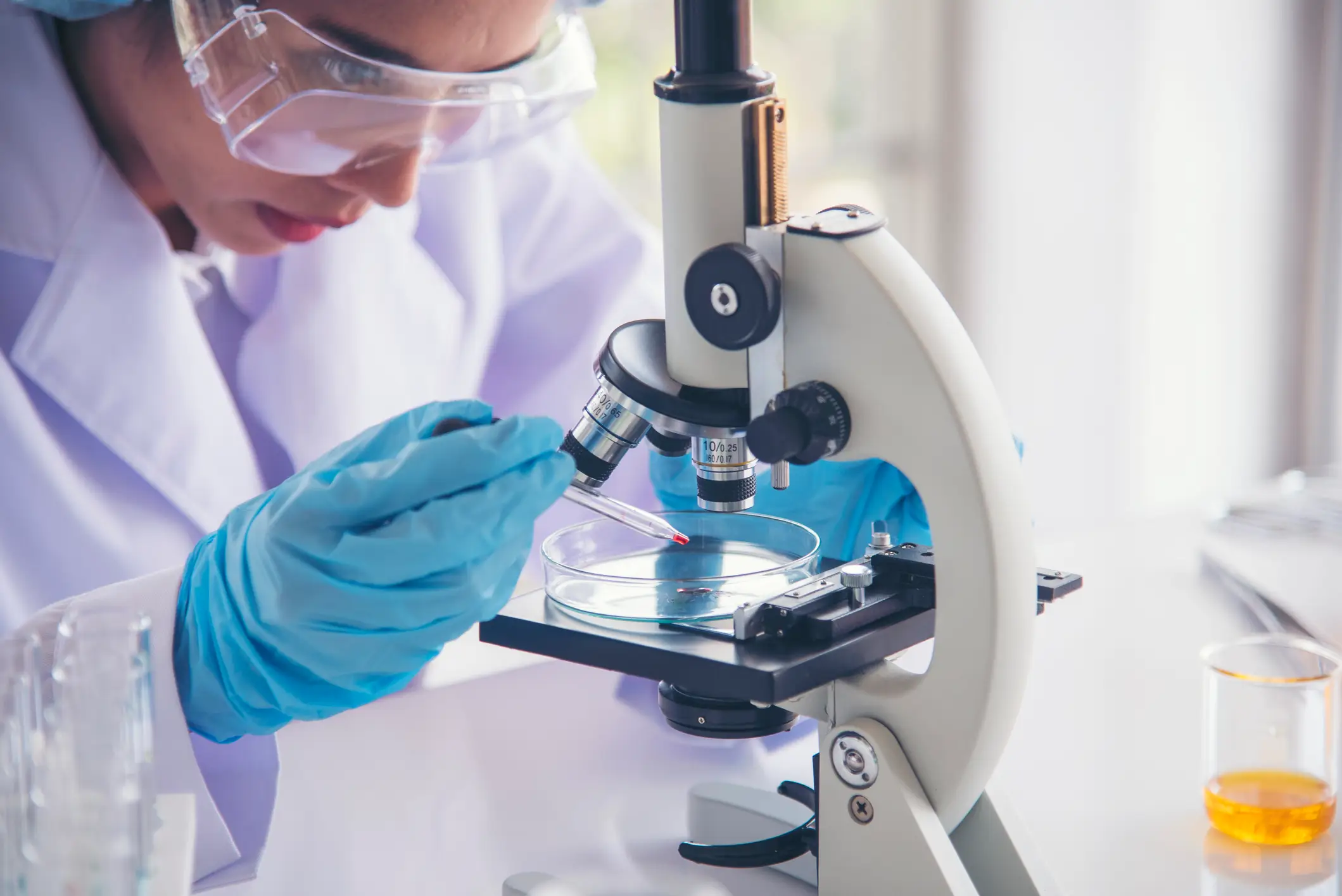
In an Instagram post, Sasha Bondarenko wrote: "I worked in cancer research labs where I studied what happens inside cancer cells at the DNA level. So when people ask me what foods 'cause cancer', I try to avoid that wording.
"Cancer is complex, and no single product guarantees disease. But there are things I personally avoid because we have enough data to understand how they can affect cells over time."
Processed meat
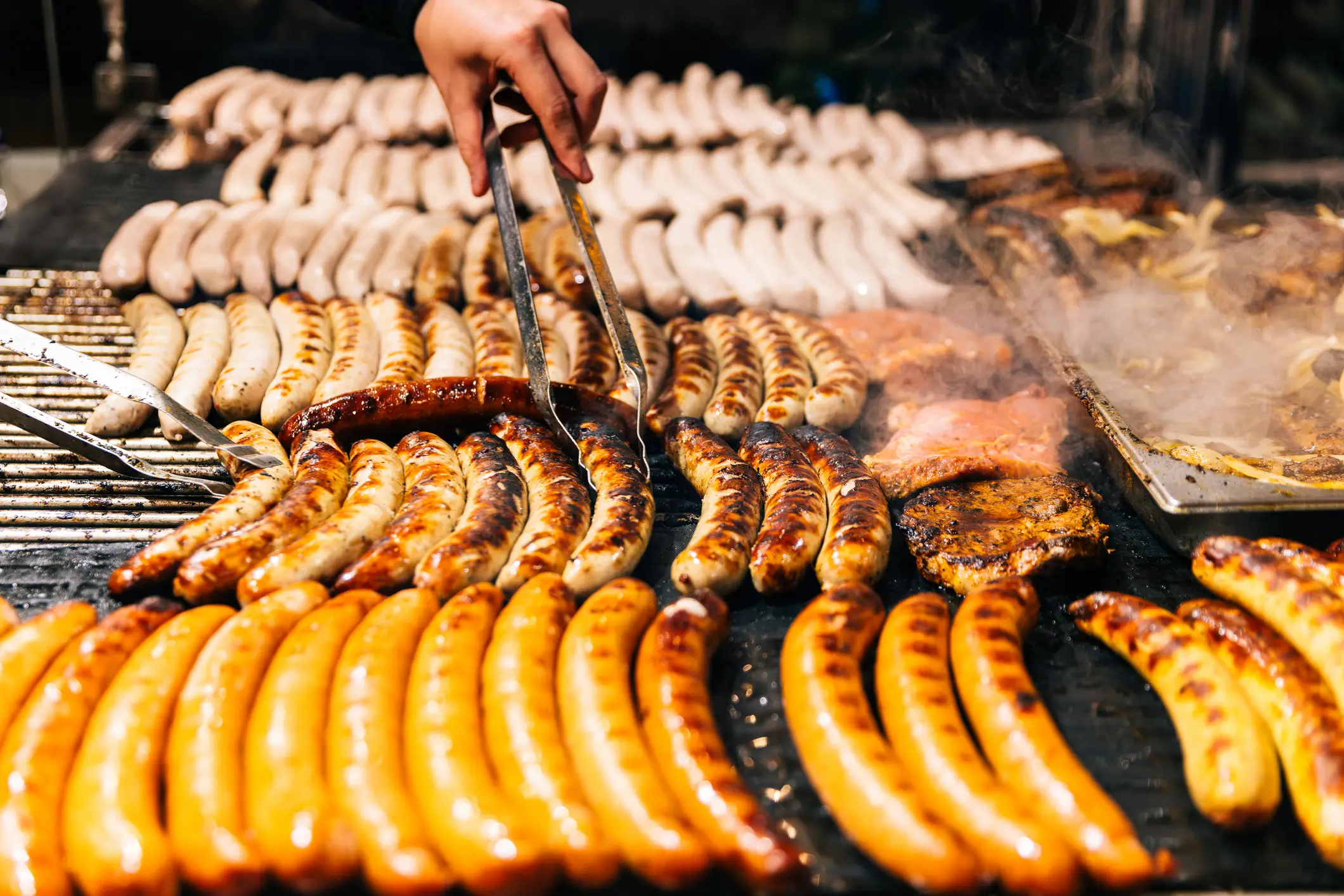
She said: "First, processed meat. Bacon, hot dogs, sausages, deli meats, anything smoked, cured, salted, or chemically preserved. Processed meat is classified as a Group 1 carcinogen, the same category used for substances with strong evidence of cancer risk. Every 50 grams of processed meat eaten daily is linked to about an 18 percent higher risk of colorectal cancer."
Ultra-processed foods have been categorised as worse than smoking by some doctors and their prevalence in every day supermarkets certainly makes them a silent killer of sorts, even in a world where we're more concerned than ever about what exactly we're putting into our bodies.
Cancer Research UK advises: "The less processed and red meat you eat, the lower your risk of bowel cancer. So, cutting down is good for you and your health, no matter how much you eat or ate in the past."
Alcohol
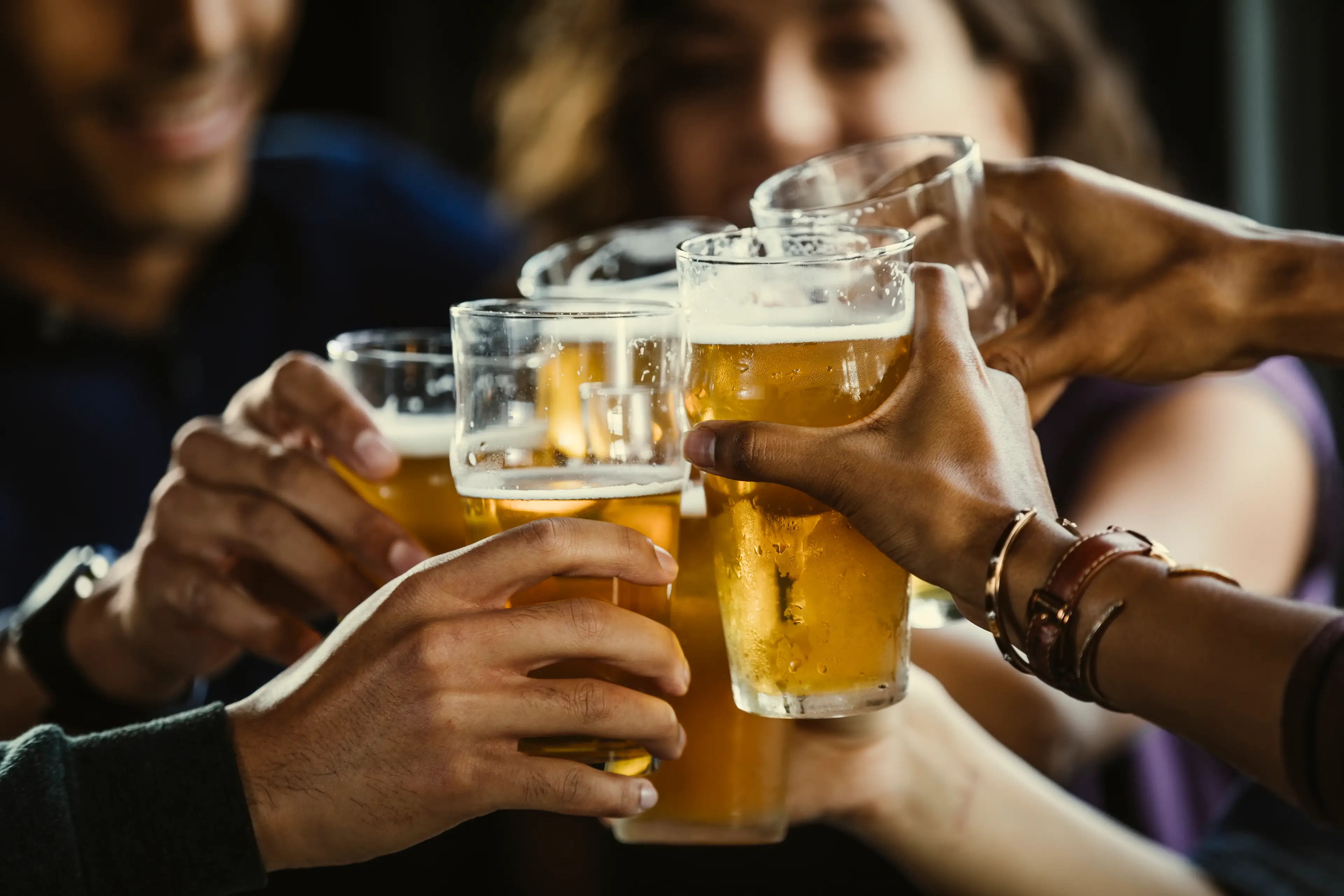
Sasha added: "Second, alcohol. I don’t care if it’s expensive red wine, champagne, or cheap liquor. Ethanol is still ethanol.
"Alcohol is linked to at least seven types of cancer, including breast, liver, colorectal, mouth, throat, oesophageal, and laryngeal cancer. The resveratrol in red wine is not a magic shield. The amount is too small to cancel out the risk."
Alcohol is certainly an unsurprising link, especially given the studies that have gone into it before, with more and more young people in particular exploring the sober lifestyle.
Meanwhile, Cancer Research UK says that 'the more you can cut down on alcohol, the more you can reduce your risk of cancer'.
It adds: "No drinking pattern is better or worse than another for cancer risk. It’s how much alcohol you drink that matters, and the more you drink the higher your risk of cancer."
Burnt food
Sasha went on to say: "Third, heavily burnt or charred food, especially meat. When meat is cooked at very high temperatures, grilled until black, or pan-fried aggressively, it can form compounds that damage DNA.
"One burnt steak will not ruin your health, but regularly exposing your cells to that for years is not something I would normalise."
Overcooked starchy food
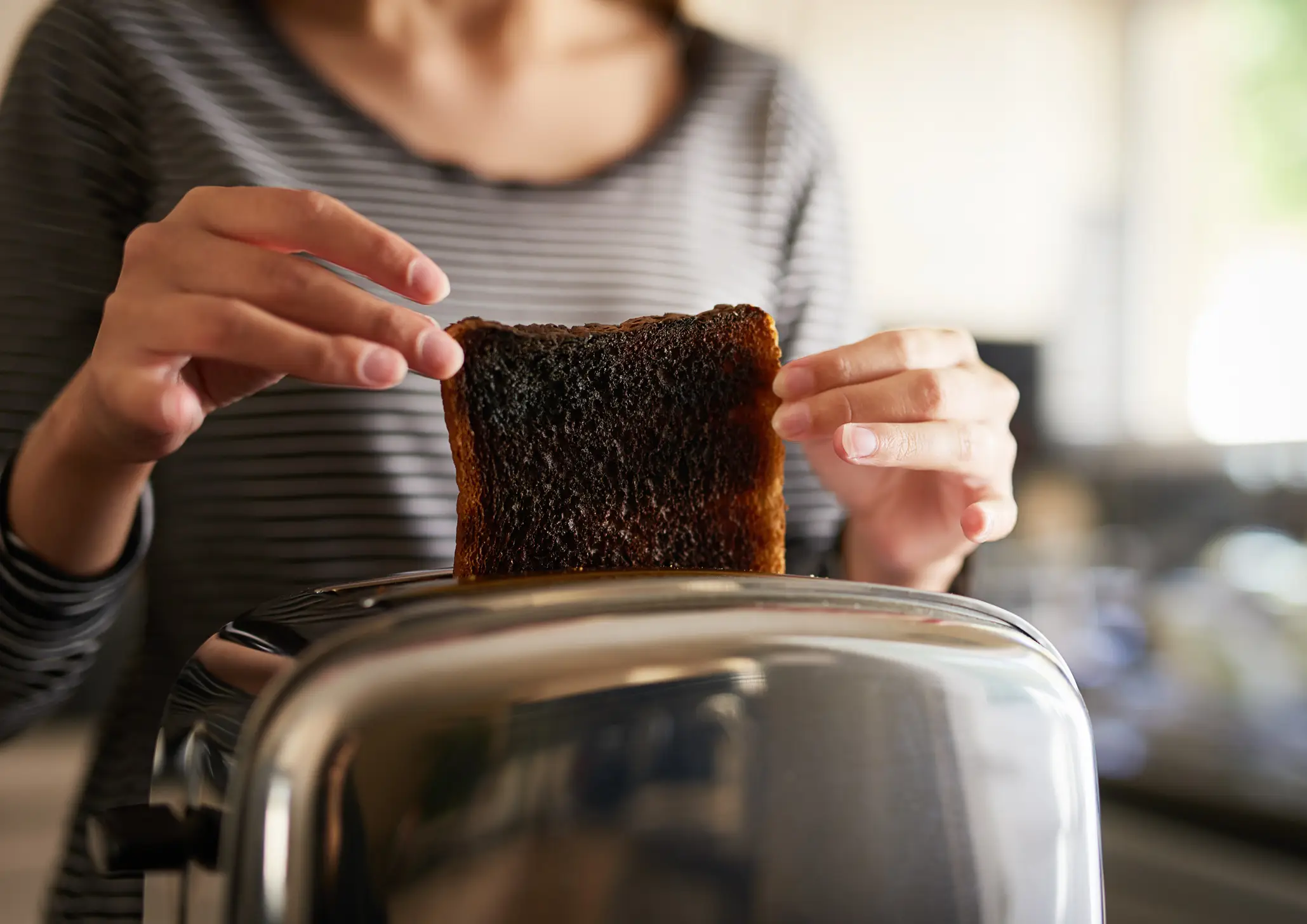
Giving examples of 'very dark fries, chips, burnt toast, and heavily browned potatoes', the researcher added: "High-temperature cooking can create acrylamide, a chemical that has shown cancer-causing effects in animal studies. Human data is not as direct, but I still prefer not to make it a daily habit."
It's worth noting that Cancer Research UK emphasises that 'you don't need to avoid burnt starchy foods' as 'there is no reliable evidence that eating acrylamide increases the risk of cancer in people'.
However, Sasha emphasised at the end of her post: "This is not about fear. It is about understanding that cancer risk is built over years, through repeated exposures, inflammation, DNA damage, and the environment we create for our cells every day."
So, as long as you aren't burning your food, drinking lots of alcohol and avoiding processed meats, your body should be in pretty good shape. That won't be enough to protect you from cancer of course, but every little helps.
 James Moorhouse