ladbible homepage
ladbible homepage
  • iconNews
  • videos
  • entertainment
  • Home
  • News
    • UK
    • US
    • World
    • Ireland
    • Australia
    • Science
    • Crime
    • Weather
  • Entertainment
    • Celebrity
    • TV
    • Film
    • Music
    • Gaming
    • Netflix
    • Disney
  • Sport
  • Technology
  • Travel
  • Lifestyle
  • Money
  • Originals
    • FFS PRODUCTIONS
    • Say Maaate to a Mate
    • Daily Ladness
    • UOKM8?
    • FreeToBe
    • Citizen Reef
  • Advertise
  • Terms
  • Privacy & Cookies
  • License Our Content
  • About Us & Contact
  • Jobs
  • Latest
  • Archive
  • Topics A-Z
  • Authors
Facebook
Instagram
X
Threads
Snapchat
TikTok
YouTube
Submit Your Content Here
  • SPORTbible
  • Tyla
  • GAMINGbible
  • LADbible Group
  • UNILAD
  • FOODbible
  • UNILAD Tech
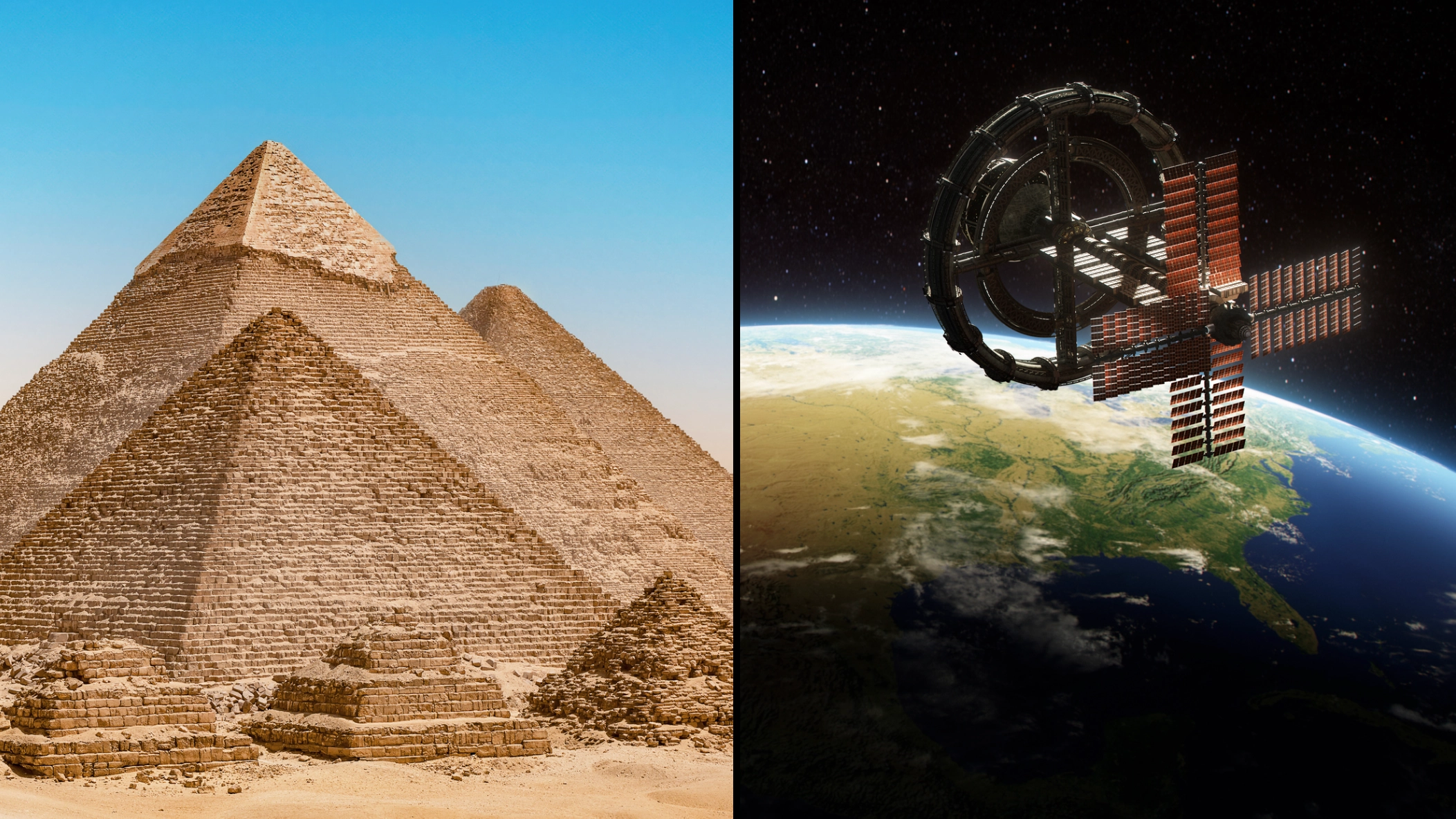
Huge discovery from outer space shows how the pyramids were built

Home> News> Science

Published 16:36 10 Dec 2023 GMT

Huge discovery from outer space shows how the pyramids were built

Dr Eman Ghoneim's new research uncovers how pyramid materials could have been transported

Ella Scott

Ella Scott

google discoverFollow us on Google Discover

It seems as if one of the Seven Wonders of the Ancient World could soon be a marvel no more.

You don’t need to be a history buff to know that the legendary triangular tombs were roughly built around 2550 to 2490 B.C.

And with the Great Pyramid of Giza reaching 139 metres in height, and the Pyramid of Khafre coming in slightly shorter at 136m, the way these structures were built has always remained a great enigma.

Advert

However, new geographical research may have discovered exactly how stone blocks were transported to various construction sites.

New findings, presented at the 13th International Congress of Egyptologists, claim that there used to be a waterway which ran through Giza.

Recent reports have concluded that this now-dried-up body may have been exclusively used to transport the materials used to build these ancient masonry structures.

The waterway is also thought to have been quite large, which could correlate to why there is a cluster of pyramids situated in Cairo.

This brand-new discovery was made by Dr Eman Ghoneim, who employed radar satellite data from space to study the Nile Valley.
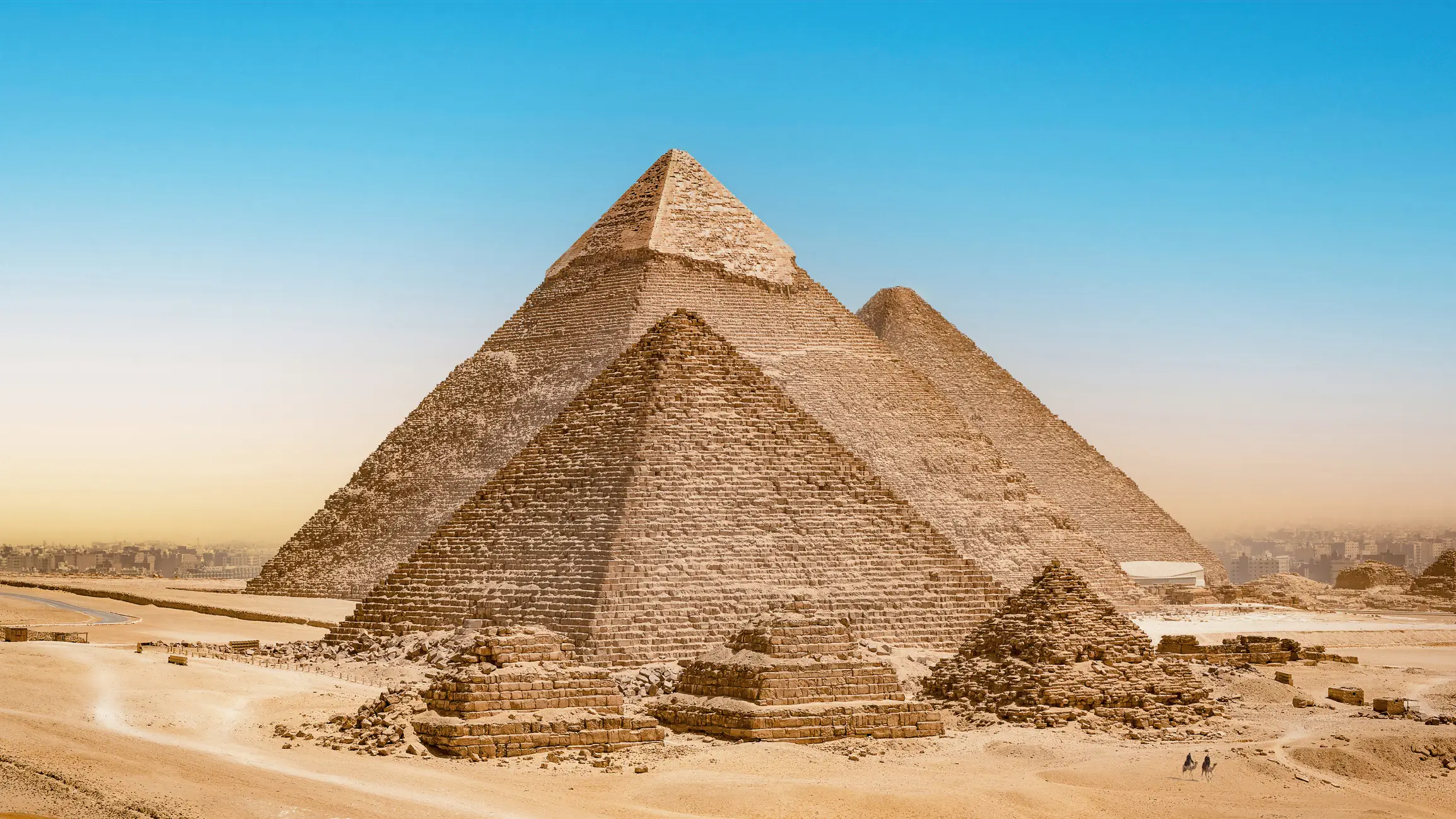
Newly-conducted research claims that a waterway could have helped to transport pyramid materials.
Getty Stock Images

The latter is an Egyptian-American geologist who specialises in image and space data processing.

Speaking about her research to IFLScience, Dr Ghoneim said: “The length probably was really, really long, but also the width of this branch in some areas was huge.

“We're talking about half a kilometre or more in terms of width, which is something that is equivalent to today's Nile course width.

“So it wasn't a small branch. It was a major branch.”

According to her research, the riverbed actually reached up to around 100 kilometres in length at one point.

Elsewhere, the researcher also believes that the now-unusable waterway could have run from Giza to Faiyum and passed through a stunning 38 different pyramid sites.

“If there are pyramids everywhere in this specific area, there must have been in the past water bodies that carried or facilitated the transportation of rocks and large numbers of workmen to these sites,” she explained to the publication.
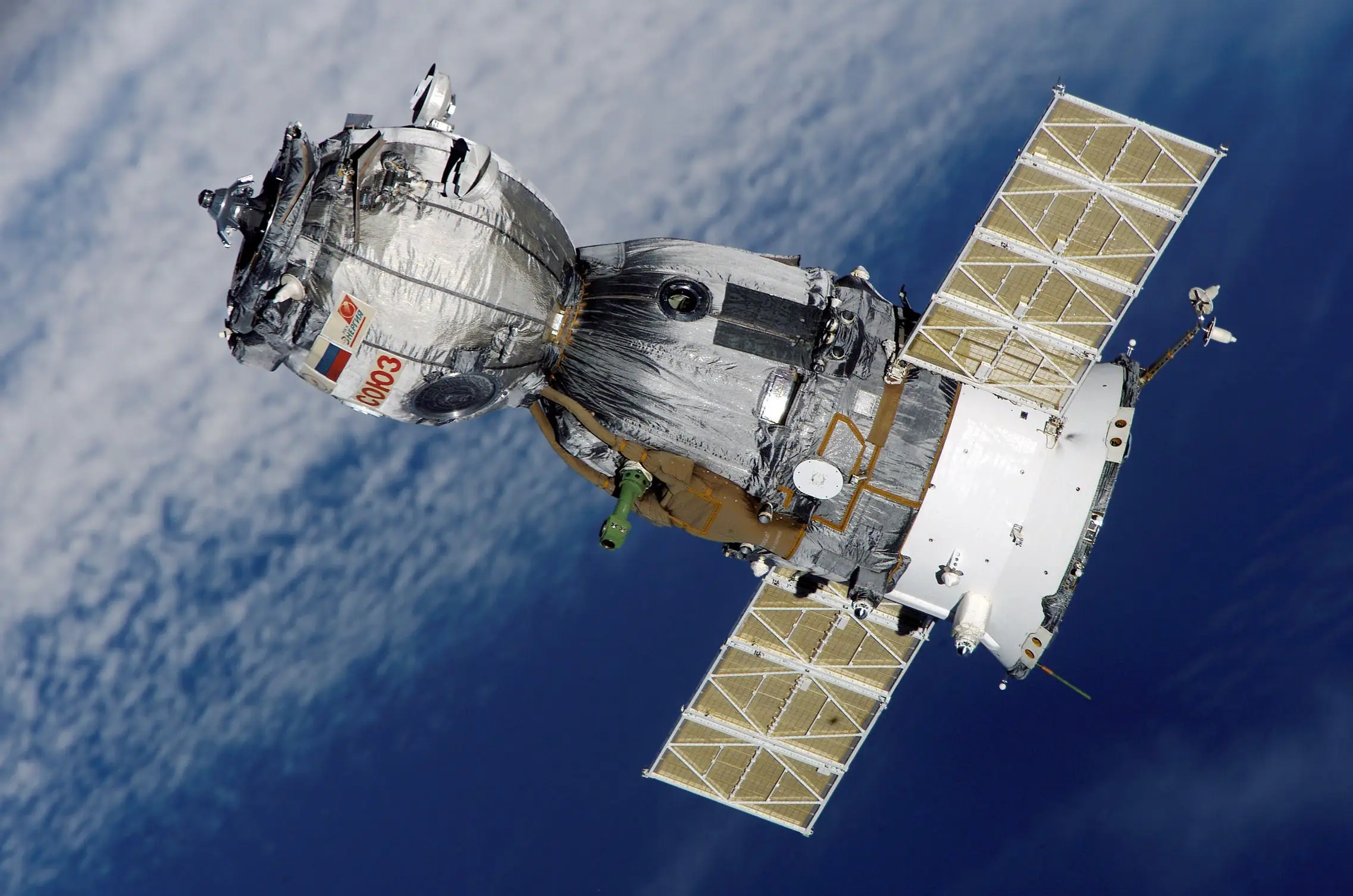
Dr Ghoneim used date from space to analyse the Nile Valley.
Pexels

However, because it is yet to be confirmed that the now-defunct river was active during the Old and Middle Kingdoms, we cannot yet conclude that the waterway was actually used to transport materials.

Following the initial conclusions about the Ahramat Branch - which means Pyramid Branch in Arabic - Dr Ghoneim will now work to analyse soil cores from the ancient riverbed.

She also said that investigating the course of the waterway further will help researchers rediscover archaic settlements and lift the lid on pyramid construction.

“As branches disappeared, Ancient Egyptian cities and towns also silted up and disappeared, and we have no clue actually where to find them,” she explained.

Dr Ghoneim added that analysing the dried-up river will also help scientists to ‘understand our history and the Egyptian heritage’.

Featured Image Credit: Getty Stock Photos

Topics: Science, World News, Space

Ella Scott
Ella Scott

Recommended reads

Three car warning lights you should never drive on as busy Easter bank holiday weekend arrivesGetty Stock PhotoBrit schoolgirl stranded in Denmark for three weeks over new passport rules speaks outMatt Cardy/Getty Images30-year-old at risk of early onset dementia shares heartbreaking reality of ‘life starting to end at 40’Instagram/thefdtbrothersMore than 700 dogs may be euthanised by British shelter after 'government orders'Louise Hastie

Advert

Choose your content:

8 hours ago
9 hours ago
10 hours ago
  • Getty Stock Photo
    8 hours ago

    Three car warning lights you should never drive on as busy Easter bank holiday weekend arrives

    The Easter weekend makes for some of the busiest roads of the year

    News
  • Instagram/thefdtbrothers
    9 hours ago

    30-year-old at risk of early onset dementia shares heartbreaking reality of ‘life starting to end at 40’

    Jordan Adams has been told he will develop symptoms in his 40s

    News
  • Louise Hastie
    9 hours ago

    More than 700 dogs may be euthanised by British shelter after 'government orders'

    The charity tells LADbible it is facing a ‘gargantuan task' as it's 'not an option' to leave the dogs behind

    News
  • Michael Siluk/UCG/Universal Images Group via Getty Images
    10 hours ago

    Free NHS Wegovy jabs made available to 1.2million if you have four specific health risks

    Experts have called the move a 'win-win' and a 'major turning point in the battle against obesity'

    News
  • Simulation shows terrifying way cosmonaut died after falling from space
  • Astronaut realised big 'lie' after looking down at the Earth from space
  • Mindblowing simulation shows how ‘dominant’ the United States air force actually is
  • 50-year-old spaceship set to crash into Earth at 17,000mph in weeks could directly hit UK