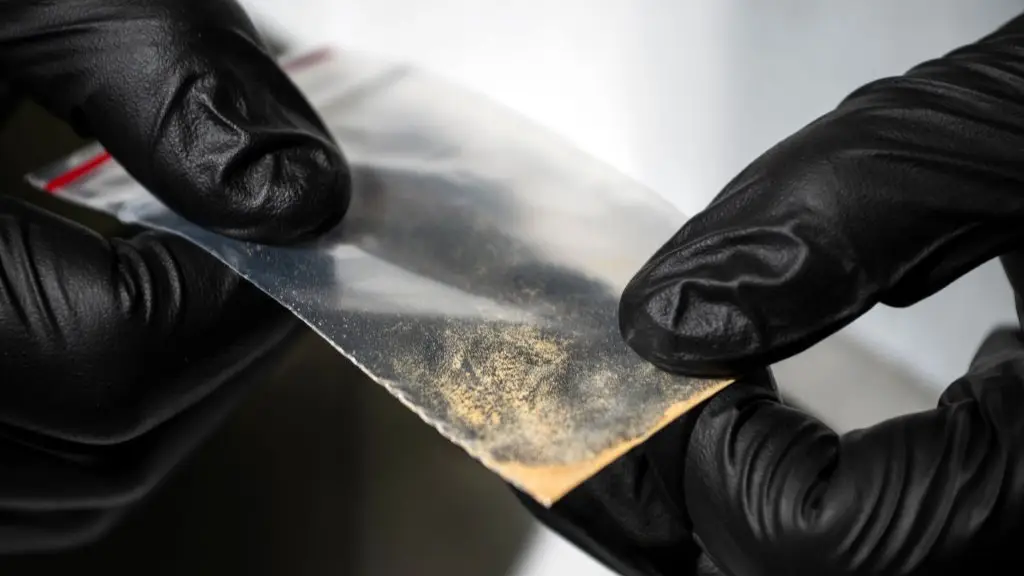

Experts have warned that the impact of the growing synthetic opioid crisis in the UK is being 'significantly underestimated'.
The popularity of these dangerous man-made drugs, known as nitazenes, has been steadily rising over the last several years despite them posing a high risk of overdose, hospitalisation and death.
According to new research published by King’s College London, these 'can have potencies of up to 500 times that of heroin' - but more and more people are consuming them.
In 2024, the UK government announced that 15 synthetic opioids, including 14 nitazenes, were upgraded to Class A.
Advert
As these drugs can be readily made at a low cost, they are often mixed in with other substances in a bid to bulk them out on the cheap - and that's why they have been nicknamed 'Frankenstein drugs'.
But consuming nitazenes is playing with fire, as Talk To Frank explains that they 'can be much stronger' than natural opioids and therefore come 'with a higher risk of overdose'.

Users are running the risk of a range of scary and possibly deadly side effects, including suppression of normal breathing and respiratory arrest, 'which is often fatal'.
Other possible impacts include loss of consciousness and coma, dizziness or fainting, withdrawal symptoms including nausea and retching, itching, lethargy and constipation.
'It was so easy for him to die'
What makes nitazines even more dangerous is that if you're taking counterfeit drugs, it's often very difficult to know what you're actually taking.
That was the case for Gus, a 21-year-old with a passion for travel who was set to pursue a career in journalism. He died suddenly after taking a tablet he thought was oxycodone - which his mum thinks was to help him sleep - but was actually nitazine
His mum Nicola told the BBC: "I went to bed and in the morning, he didn't get up. He had died sitting in his chair watching a film. He'd ordered a takeaway. It looked like he had just gone to sleep.
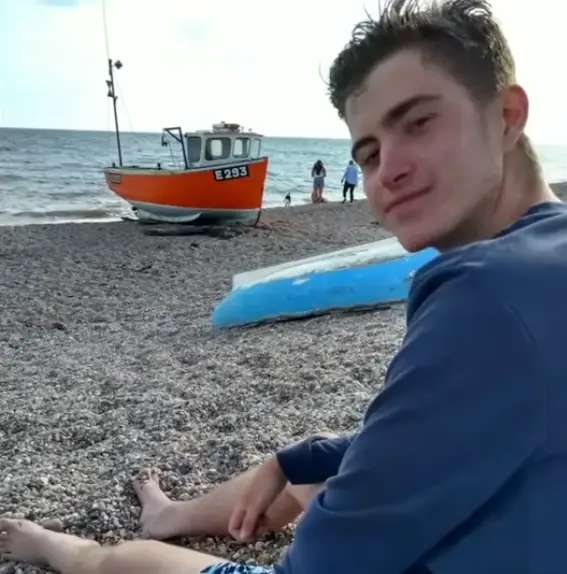
"I just found it really heartbreaking that it was so easy for him to die."
Dr Caroline Copeland, a senior lecturer in Pharmacology & Toxicology at King's College London, said: "We've now started to see not just adulteration but almost complete substitution of ingredients in pills.
"People might think they're buying an oxycodone or diazepam pill, but it doesn't actually contain any traces of either of those, and what they're getting is nitazine instead.
"It's no longer a heroin user's problem. It's an everyone who uses counterfeit medicines problem."
Fatalities underreported
Nitazenes were initially produced as painkillers, but as King's College notes, their 'development was halted due to extreme potencies'.
In a paper published last month in Clinical Toxicology, boffins at the university warned that the true number of fatalities related to the drugs have likely been 'underreported' in UK.
Experts say this is likely due to the difficulty in detecting traces of them in postmortem toxicology tests, as blood samples 'typically take around a month' to get analysed, by which time the nitazine traces in the blood will have degraded.
In 2024, the National Crime Agency (NCA) reported 333 deaths that were linked to nitazenes, but the researchers at King's College London reckon that the real number is significantly larger.
Copeland said: "If nitazenes are degrading in post-mortem blood samples, then we are almost certainly undercounting the true number of deaths that they are causing. That means we’re trying to tackle a crisis using incomplete data.
"When we don’t measure a problem properly, we don’t design the right interventions - and the inevitable consequence is that preventable deaths will continue."
She explained that it is 'critical' that the UK gets a better understanding of how these drugs degrade in post-mortem blood samples so that officials can 'respond more effectively'.
"Better science leads to better surveillance, and better surveillance will save lives," Dr Copeland added. "This research shows that the harm caused by nitazenes is likely being significantly underestimated.
"Because these drugs degrade in post-mortem blood, we may be missing up to a third of the deaths they are involved in, meaning public health responses are being designed and funded for only two-thirds of the real problem.
"Behind this undercount are people dying suddenly from extremely potent opioids, families left without answers, and communities facing a growing but largely hidden toll."
If you want friendly, confidential advice about drugs, you can talk to FRANK. You can call 0300 123 6600, text 82111 or contact through their website 24/7, or livechat from 2pm-6pm any day of the week.
 Olivia Burke