

The UK government has officially announced a ban on 'incest simulation' in porn as the crackdown on unsafe adult content continues.
An amendment, which was tabled in parliament today (23 February), means it will be an offence to possess or publish pornography depicting incest, or sexual activity between family members.
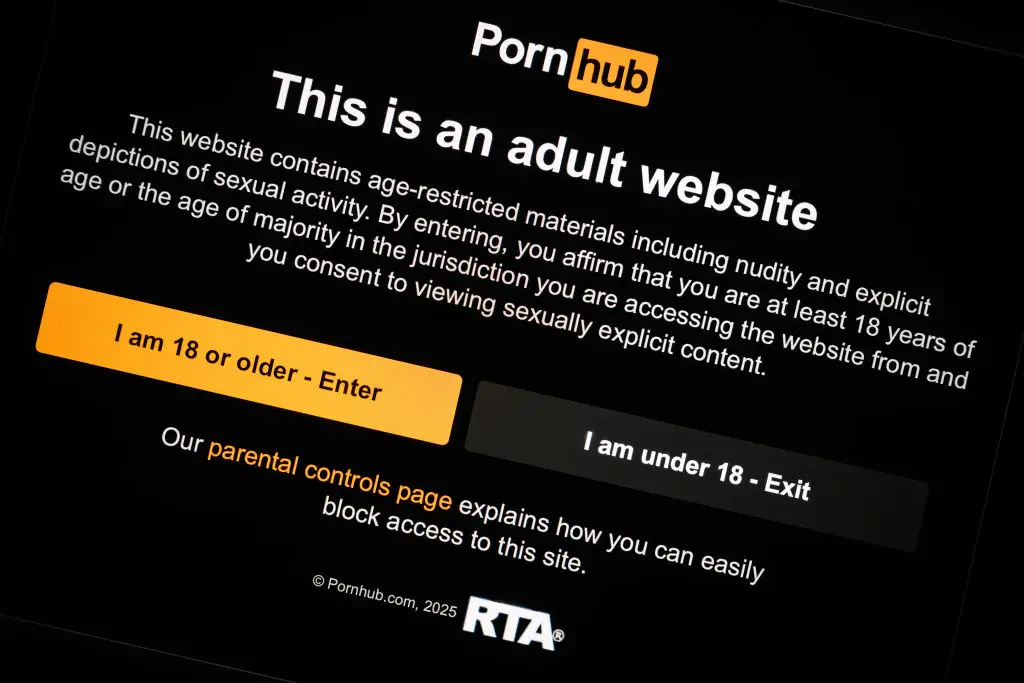
Much like recent changes under the Online Safety Act, which brought in age restrictions on popular porn sites across the world for UK users and banned strangulation in videos, it has become a priority offence which means that tech platforms are now expected to take steps to actively stop this kind of content, with hefty fines likely to be introduced for those who fail to adhere to the new rules.
Anyone who is found to be in possession of incest pornography could face a maximum sentence of two years in prison, while anyone found to be publishing it could face five years behind bars.
Advert

Victims and tackling VAWG Minister, Alex Davies-Jones, told LADbible: "If we're going to make the online world safe, we need to get comfortable talking about the darker corners of abuse. We know that watching incest porn risks normalising child sexual abuse – and it's a risk we're taking seriously.
"We can't sit on this reality any longer, so we're making it an imprisonable offence to possess or publish incest porn.
"This is one of a string of changes by the government to root out evils online and send a clear message of zero tolerance.
“But tougher laws only matter if victims see justice in time. That’s why alongside these new offences, we’re fixing the courts so cases move faster.”
The government have already made it clear that the punishments for breaking these new rules will be severe, with Ofcom also recently fining one porn site over £1 million for failing to introduce proper age verification measures.
While a complete porn ban is unlikely to ever come to light, especially considering LADbible's 'For F**k's Sake' campaign found that 77 per cent of Gen Z people admit to watching it, the current government is committed to ensuring it is as safe as possible.
When the strangulation ban was first introduced, Davies-Jones told LADbible: "If, for example, X is showcasing this type of pornography that we deem to be unacceptable and illegal now, under the powers that we've introduced today, then Ofcom can go after the platform.
"And if they have proven to have failed to prevent that from being shown on the platform, then there is a fine for them of £18 million or up to 10 per cent of global revenue, whichever is bigger; sadly we both know where that is in relation to some of these big platforms.
"Under the Online Safety Act as well, where they've got a failure to prevent this type of material being shown to children, and ensuring there are protections to children, then there are also criminal sanctions backed up, so individuals can be held liable and there are criminal sanctions, with prison sentences available for named individuals who fail to take action.
"If you are in possession of this type of material, you could receive up to two years in prison, and if you choose to distribute this, so share it, post it online, it's up to five years in prison."
What is the Online Safety Act?
The Online Safety Act was introduced in 2023, and according to the UK government's website, it aims to make laws to 'protect children and adults online'.
"It puts a range of new duties on social media companies and search services, making them more responsible for their users’ safety on their platforms," it continues.
"The Act will give providers new duties to implement systems and processes to reduce risks their services are used for illegal activity, and to take down illegal content when it does appear."
What changes has the Online Safety Act made so far?
As well as age restrictions and the strangulation ban, the Act has seen several criminal offences come into law from 31 January 2024, including:
- encouraging or assisting serious self-harm
- cyberflashing
- sending false information intended to cause non-trivial harm
- threatening communications
- intimate image abuse
- epilepsy trolling
According to the explainer, convictions have already been made under the cyberflashing and threatening communications offences.
The Act requires 'all companies to take robust action against illegal content and activity', with measures being taken to reduce these risks on their platforms, with illegal content ranging from child sexual abuse, extreme sexual violence or pornography, and terrorism.
As for how it is enforced, Ofcom monitors how effective these measures have been, and those who don't follow the new regulations can face a fine of £18 million or 10 per cent of their worldwide revenue, and criminal action can be taken against senior managers who fail to comply with follow-up information requests from Ofcom.
In the most serious cases, with a court's approval, Ofcom will be able to require payment providers, advertisers, and internet service providers to stop working with a site, preventing any generation of income or access in the UK.
Topics: UK News
 James Moorhouse