Official UK rules on if schools and offices will have to shut during June heatwave warning

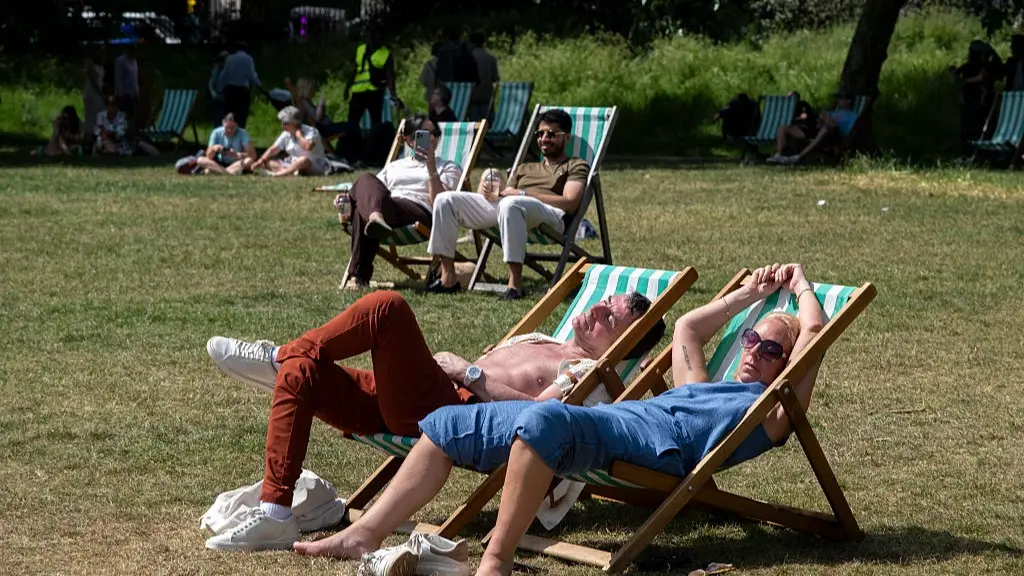
The Met Office has said that the UK is going to be blasted by scorching hot temperatures as it's issued an extreme heat warning running through to Thursday (25 June).
Temperatures in some parts of the country are expected to climb as high as 38°C this week, and even when the weather warning ends on Friday it's still going to be very warm with temperatures of 33°C in some places.
Southern parts of England are expected to feel it most with Amber and Red heat warnings in place from the Met Office over the next few days which indicates a serious danger from the extreme heat.
With that in mind many will be wondering if schools and offices are going to remain open this week and what the rules are on whether hot weather means you don't have to come in.
Advert
After all, since the heatwave is being warned of as particularly dangerous you do not want to be sweltering through your commute and sitting in some office or classroom if you could keep yourself cooler at home.
⚠️⚠️🔴 Red weather warning issued 🔴⚠️⚠️
— Met Office (@metoffice) June 22, 2026
Extreme heat across parts of central/southern England and Wales
Wednesday 0900 - Thursday 2100
Latest info 👉 https://t.co/QwDLMfRBfs
Stay #WeatherAware ⚠️ pic.twitter.com/IwXnyU1E7y
UK rules on when it's too hot to work
Unfortunately, the UK's rules on workplace temperatures have no maximum or minimum value, so there is no number past which your employer has to shut the workplace and send staff home.
However, government guidance does say: "During working hours the temperature in all indoor workplaces must be reasonable."
"There is no specific office or work temperature threshold that entitles the workforce to stop working or relocate," Patrick Macken, Solicitor at Richard Nelson LLP previously told LADbible, adding that the only law to reference working temperature is the Safety and Welfare Regulations 1992, which he says is 'underwhelming and ambiguous'.
Temperatures should be kept comfortable and clean air should be provided, but there is no number you can take to your boss which means they have to let you go.
That could change in the future as advisors from the Climate Change Committee (CCC) are suggesting offices need a maximum working temperature past which it's too hot to work, but nothing is in place now.
When it's too hot for schools to stay open
School is nearly out for summer, but the nation's next generation are currently boiling their brains into mush in hot classrooms hoping that they might get sent home.
Unfortunately for schoolkids, there's also no hard rule on when it's too hot for schools to remain open either.
Those classroom rumours that if a set number of you faint due to the heat you all get to go home simply aren't true.
Again, there's an expectation that the classroom environment should be kept in a decent state but there's no maximum temperature after which the day gets called off.

Your rights if your workplace is too hot
Employers are at least meant to make the workplace a bearable location to be in, which includes recommendations that they
- Provide fans or air conditioning
- Improve ventilation and allowing windows to open
- Use blinds or reflective film to block direct sunlight
- Move workstations away from heat sources
- Supply free cold drinking water
- Relax dress codes where safe to do so
How to cool down in a heatwave

We’re all aware of the basics of keeping cool during the warmer weather, such as avoiding the sun between 11am and 3pm, staying hydrated, wearing light clothing, taking cold showers and avoiding physical activity, but have you tried these little-known hacks to beat the heat? (Thank us later).
The correct way to sleep with a fan on
A good night's sleep is almost never guaranteed during a heatwave, leaving many of us turning to our trusty fan to get through the night. However, it could be having a hidden impact on your health.
But rest assured, as Dr Anis Khalaf has explained how to overcome this, the correct way.
"The key is to not have any of the wind blowing on you,” he said. “So try facing it away from your body, and the air will still circulate around the room."
Though bear in mind that electric fans only tend to work when the temperature is below 35 degrees.
Drinking milk
Thanks to the sugars, proteins and fats in milk, Dr Natasha Fernando claimed that a glass of the liquid ‘may be more hydrating than water’.
She told Metro: “Milk also contains sodium which allows your body to hold onto water for longer, aiding hydration levels.”
The Egyptian sleep method
Forget the Military sleep method, because this hack claims to keep you cool as well as help you nod off.
Psychiatrist Alex Dimitriu, MD, told VeryWellMind: "The Egyptian sleep method involves sleeping under a damp sheet, which cools off from evaporation.”
Just make sure the sheet is damp and not drenched, and the room is well-ventilated.
Keeping windows shut during the day
While it may sound counterproductive, you’re essentially inviting the hot air inside by leaving them open. And since most houses in the UK are designed to keep the heat in, you could be making the situation a whole lot worse.
Instead, wait until temperatures have dropped (such as in the late evening) to open your windows to allow cooler air to circulate. Keeping your blinds and curtains shut can also help.
 Joe Harker