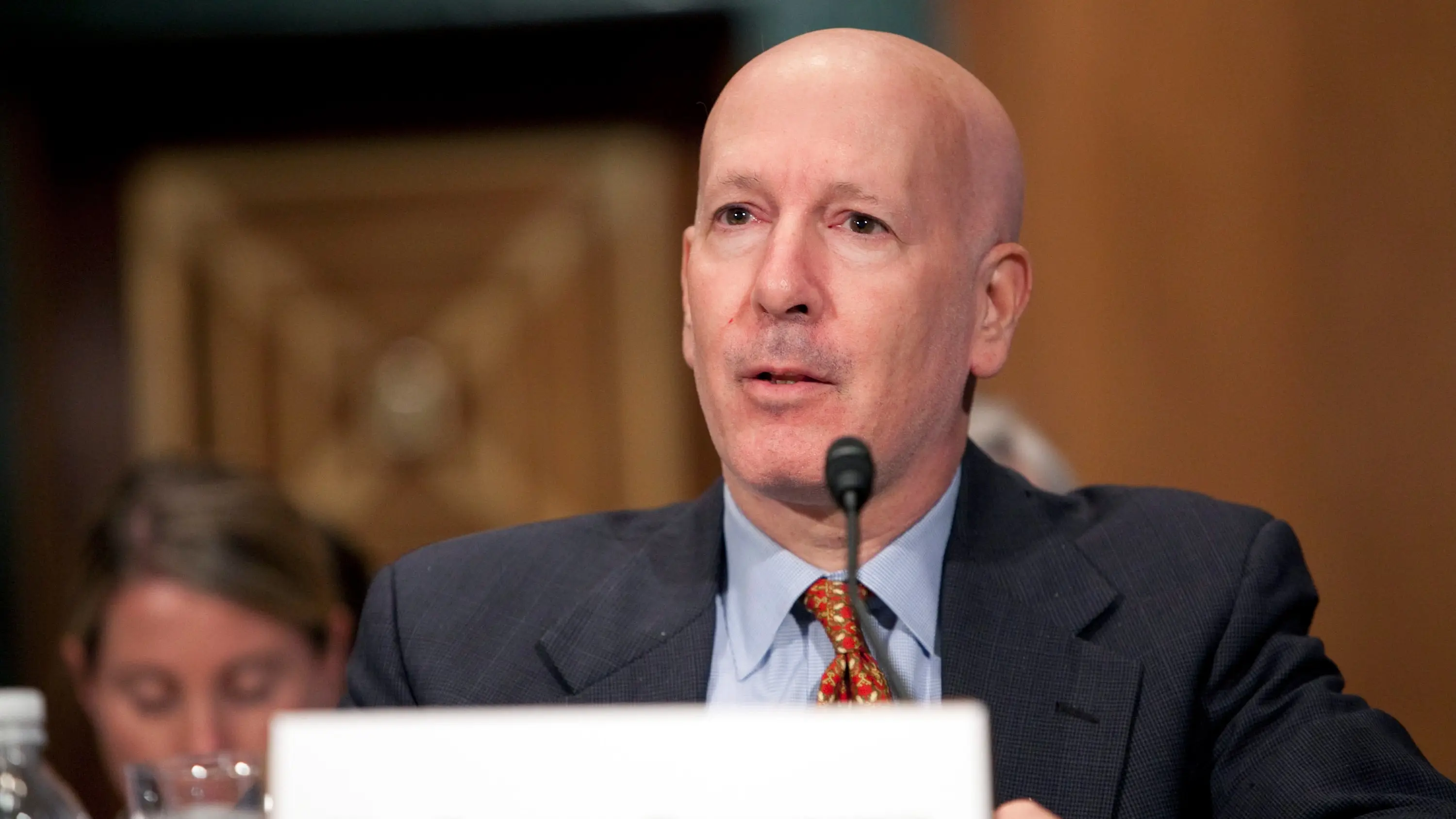

A man who predicted the 2008 financial crisis says he'd take that market cataclysm 'any day' over the potential disaster that's brewing up at the moment.
It's difficult to be optimistic about much right now given the state of the world, with the war between the US and Iran only likely to send bills in one direction, particularly with the Middle Eastern country still blocking off the Strait of Hormuz.
Geopolitical tensions are just one of the reasons why hedge fund employee Richard Bookstaber - who predicted the 2008 crisis in his 2007 book A Demon of Our Own Design - suggests that something even worse may be on the horizon.
The blurb of his prescient 2007 book argued that 'much of the innovation of the last 30 years has wreaked havoc on the markets and cost trillions of dollars' and aimed to answer the question: "Why do markets keep crashing and why are financial crises greater than ever before?"
Advert
A year later, as memorably depicted in The Big Short, cheap credit and irresponsible lending on property in the US eventually led to banks failing and untold financial misery across the globe. Bookstaber likely resisted saying 'I told you so'.
But good news, folks. He reckons things will be even worse this time around.
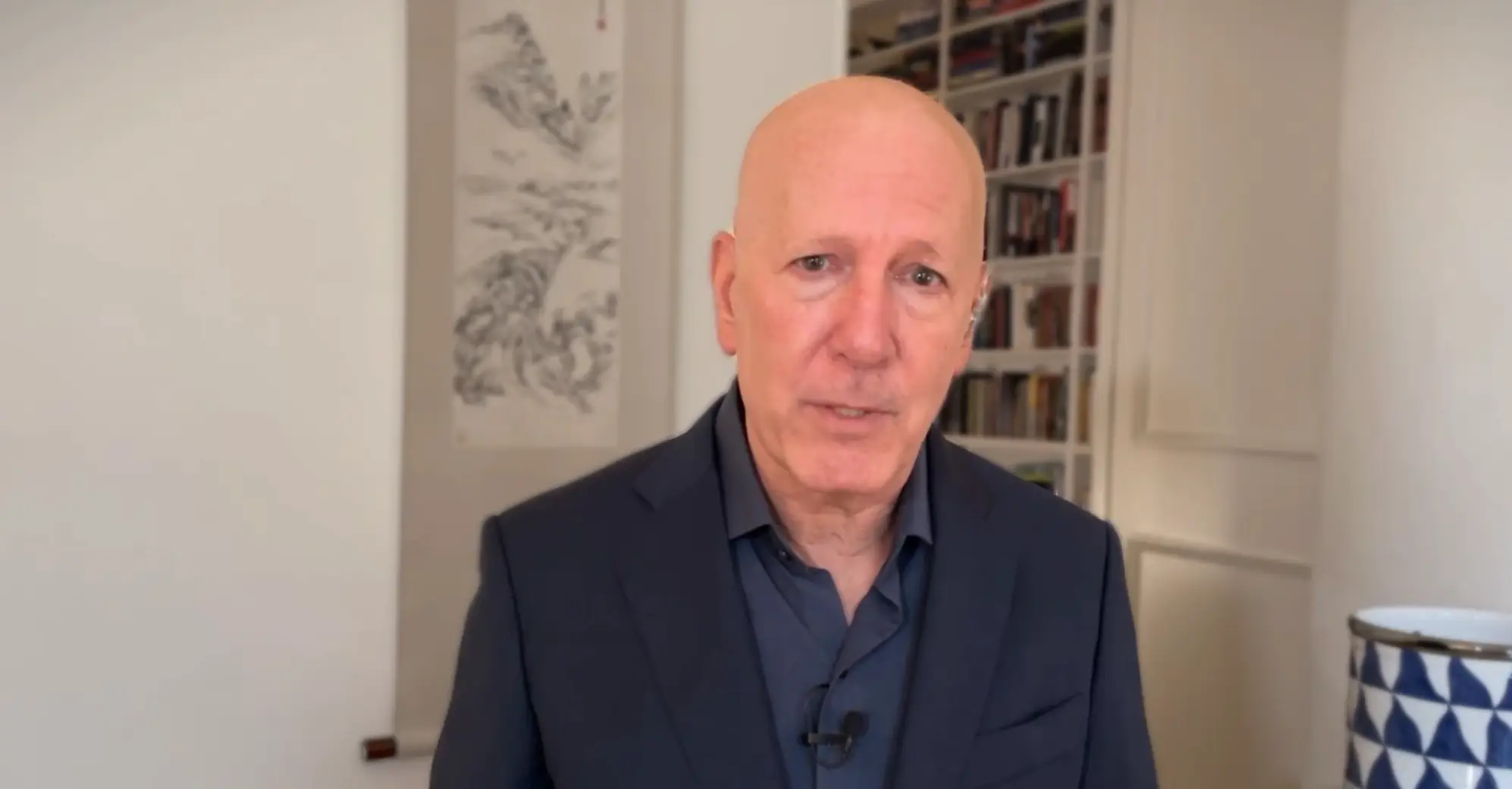
In the New York Times, he writes: "We have returned to a period of risk, one rife with the sort of pressures that have led to major financial crises. This time, the risks are spread across industries, markets and nations: artificial intelligence, the roughly $2 trillion private credit industry, stock markets, Taiwan and now Iran."
Energy bills, groceries, transport and household products are all expected to become more expensive as the US and Iran continue to wage war.
How AI could upend the markets
Bookstaber notes that 'the AI boom is driving extraordinary investment into a small group of dominant technology companies'.
This has led to 10 companies - largely tech giants like Apple, Microsoft and Google-owner Alphabet - accounting for one third of the S&P 500's profits. The S&P 500 tracks the largest publicly traded companies in the US.
He added: "That level of concentration is unprecedented — and dangerous, because it means a shock to any one of these companies can ripple across the entire market rather than be absorbed by it."
Other analysts have also said the amount of money being spent by companies on AI is unsustainable, and the AI boom will turn out to be an AI bubble that will burst.
Millionaire investor Bill Gurley told CNBC this month: "When people get rich quick, a whole bunch of people come in and want to get rich too, and that’s why we end up with bubbles.
"One day we’re going to have an AI reset."

Last month, a Substack post from US firm Citrini Research imagined a scenario in which AI replaces services traditionally performed by software companies, as well as heralding in mass unemployment.
This leads to a mortgage crisis, with out-of-work homeowners no longer able to keep up with repayments. Meanwhile, software companies can no longer afford to pay back their loans, triggering a huge private credit default.
But geopolitical tensions could also spiral out to affect the markets in unexpected ways.
Iran and China could trigger a financial crisis
As the conflict in Iran continues and the Strait of Hormuz remains blocked, the ripple effect could start to affect AI companies - whose data centres use an enormous amount of electricity.
Richard explains: "An energy shock from the conflict that raises the cost of power or constrains its supply directly affects data centres and AI production."
The 76-year-old also warns that this could represent the ideal time for China to move against Taiwan, given that it is only a strong US military presence that has deterred them previously, with the US obviously now focused on Iran.
If this comes to pass, it could have a devastating impact on AI-related businesses, as a single Taiwanese company supplies more than 50 percent of the world’s computer chips.
A combination of these factors could cause unprecedented damage to the global economy, according to Richard.
He writes: "Our current financial system fails not because any one thing goes wrong. It fails because different shocks propagate through the same structure and in ways that are hard to anticipate.
"When something eventually goes wrong, it spreads faster than it can be contained."
Richard adds that today’s financial system may be even more vulnerable than in 2008: "The physical risks of Iran, Taiwan and the A.I. boom are supplanting the types of financial risks that preceded 2008. I'd take financial risk any day. Financial risk moves just prices. Physical risk moves the world."
Topics: Iran, Artificial Intelligence
 James Moorhouse