ladbible homepage
ladbible homepage
  • Home
  • News
    • UK
    • US
    • World
    • Ireland
    • Australia
    • Science
    • Crime
    • Weather
  • Entertainment
    • Celebrity
    • TV
    • Film
    • Music
    • Gaming
    • Netflix
    • Disney
  • Sport
  • Technology
  • Travel
  • Lifestyle
  • Money
  • Originals
    • FFS PRODUCTIONS
    • Say Maaate to a Mate
    • Daily Ladness
    • UOKM8?
    • FreeToBe
    • Citizen Reef
  • Videos
  • Advertise
  • Terms
  • Privacy & Cookies
  • License Our Content
  • About Us & Contact
  • Jobs
  • Latest
  • Archive
  • Topics A-Z
  • Authors
Facebook
Instagram
X
Threads
Snapchat
TikTok
YouTube
Submit Your Content Here
  • GAMINGbible
  • LADbible Group
  • UNILAD
  • SPORTbible
  • Tyla
  • FOODbible
  • UNILAD Tech
Scientists finally found answer to what the 'most mysterious underwater sound' is after more than 20 years
Home>News>World News
Published 15:04 2 Mar 2024 GMT

Scientists finally found answer to what the 'most mysterious underwater sound' is after more than 20 years

Scientists have finally uncovered what the decades-old ‘mysterious rumble’ from underwater is.

Mia Williams

Mia Williams

google discoverFollow us on Google Discover

Scientists have finally uncovered what the decades-old ‘mysterious rumble’ from underwater is.

For over 20 years, experts have been researching to work out what the strange noise was that was recorded in 1997 from under water.

At the time it was heard, researchers were listening for underwater volcanic activity, but instead stumbled across a strange and very loud sound…that appeared to have no explanation.

Using hydrophones, which are basically underwater microphones, placed more than 3,219km apart across the pacific, they captured multiple hearings of the sound.

Advert
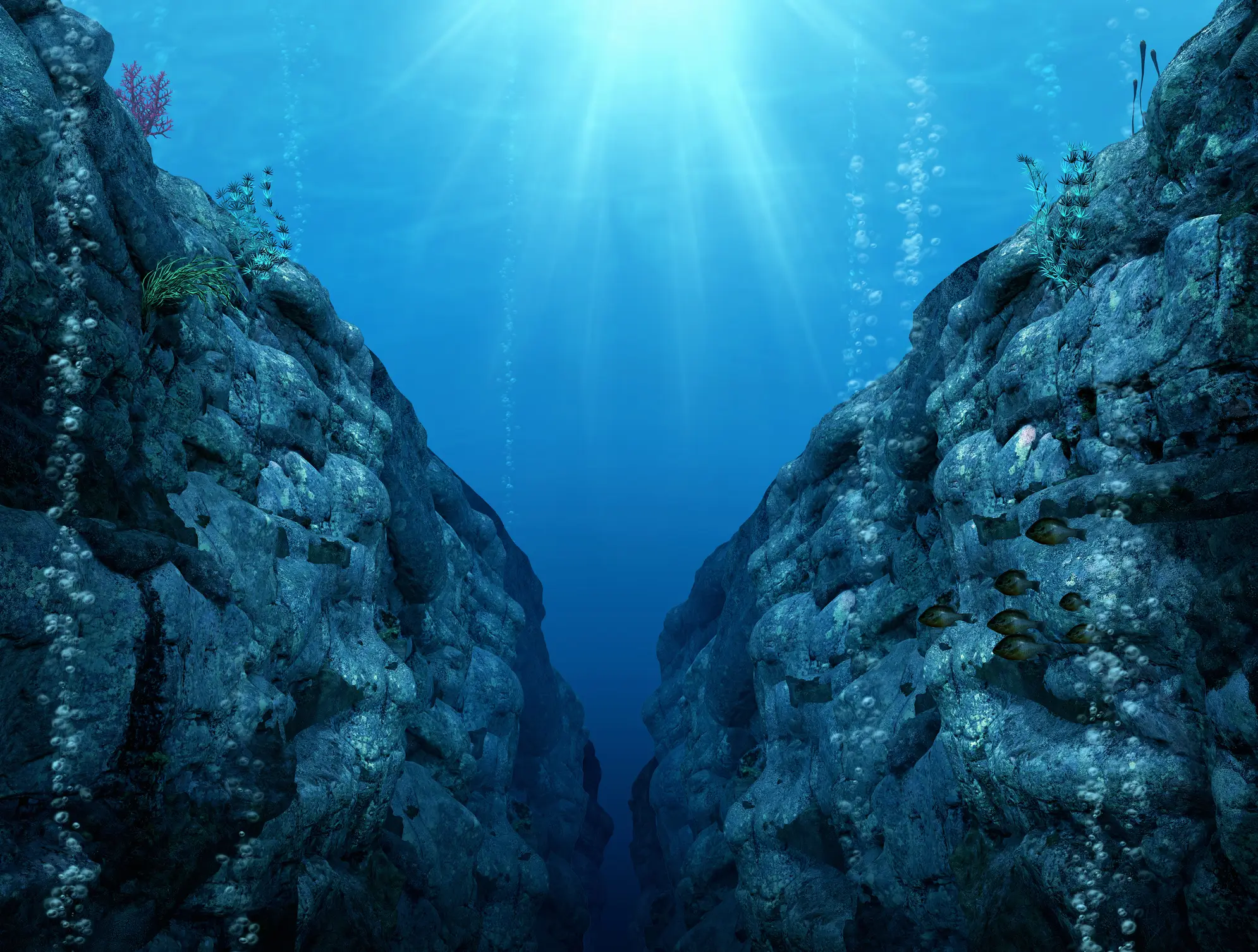
Scientists say that 95% of the ocean is still uncovered.
ratpack223/Getty Images

It was unheard of, and had characteristics that scientists were just baffled by.

The sound became known as the ‘bloop’.

Since 95% of the ocean is undiscovered, theories ran wild.

Scientists' suggestions included secret underwater military exercises, ship engines, fishing boat winches, giant squids, whales, or an undiscovered sea creature that biology had yet to uncover.

Over the last 20 years, hydrophones have been spread even closer to Antarctica in an ongoing attempt to study the sounds of seafloor volcanoes and earthquakes.

It was during these efforts, that they discovered the origin of the ‘bloop’!
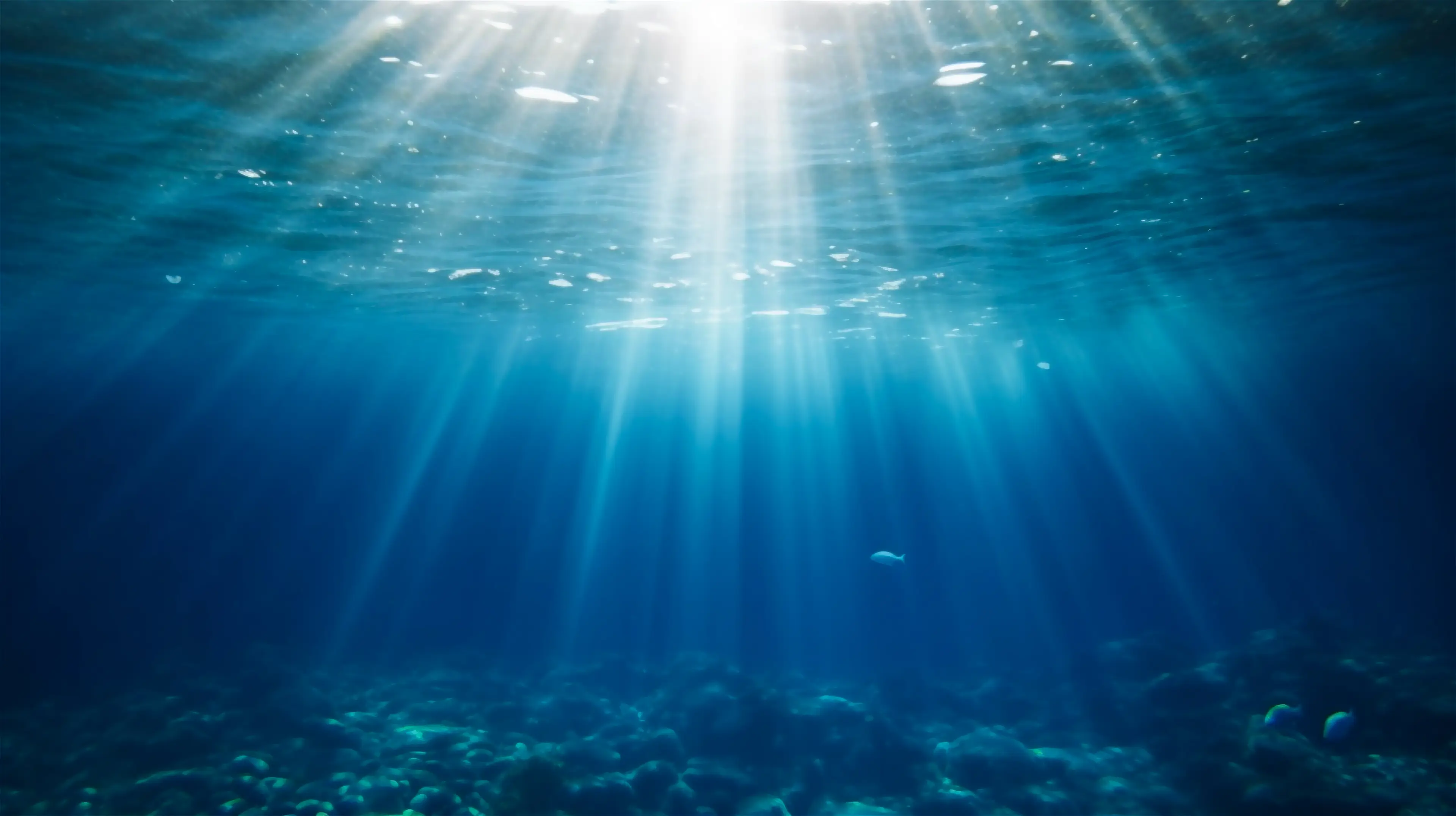
Researchers first heard the 'bloop' in 1997.
Getty Stock Image

It was on earth’s lonely southernmost land mass that researchers pinpointed that the noise was the sound of an icequake.

What exactly is an icequake, you may ask?

It is the cracking and breaking of an iceberg moving away from an Antarctic glacier. Pretty cool, right!

This seems to be as a result of global warming, with more and more icequakes occurring annually and eventually melting into the ocean.

The National Ocean Service’s website says: “PMEL’s Acoustics Program develops unique acoustics tools and technologies to acquire long-term data sets of the global ocean acoustics environment, and to identify and assess acoustic impacts from human activities and natural processes on the marine environment.”

But this isn’t the only strange noise that scientists are working to uncover under the sea.
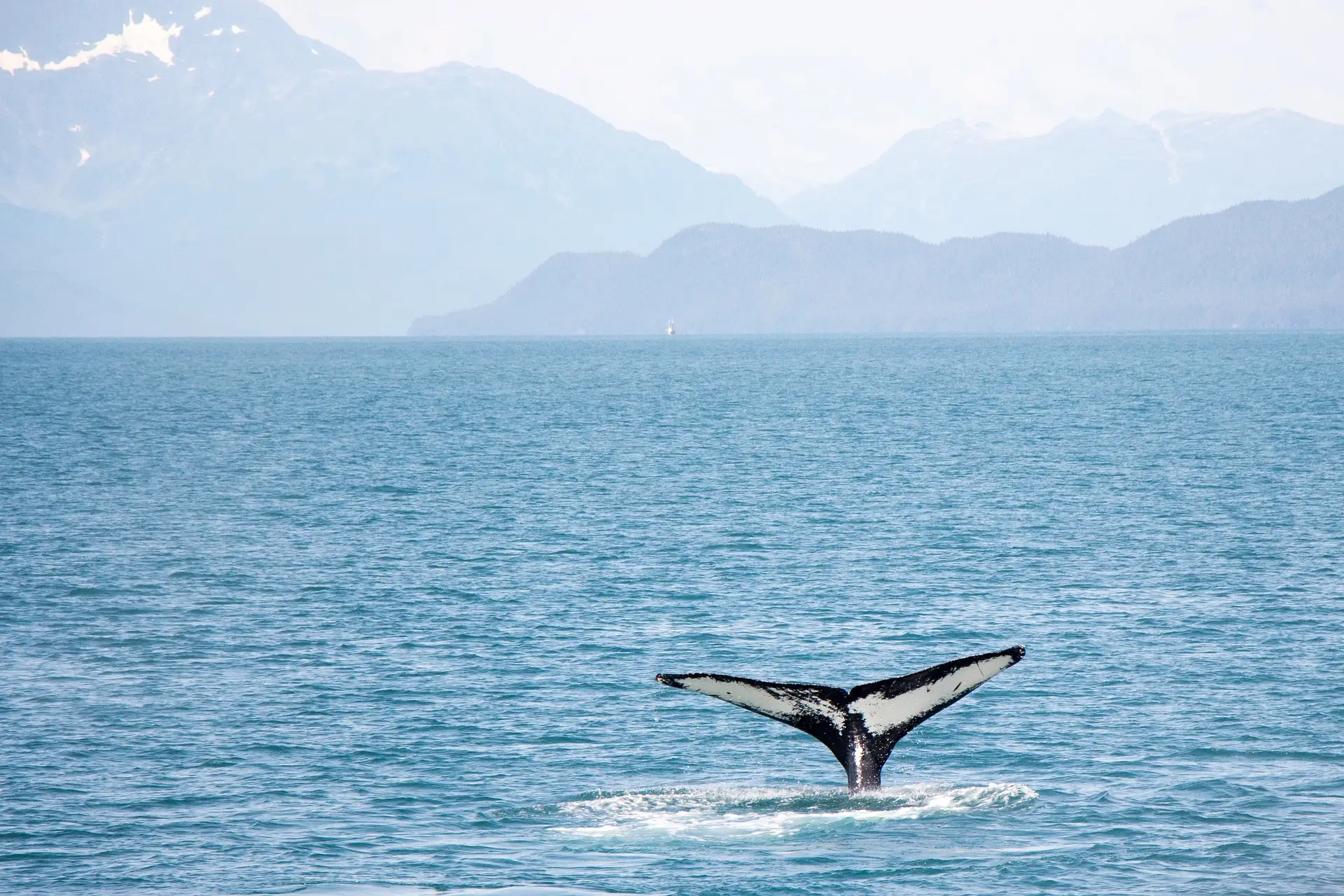
The professor explained whales can pop their penises above water.
Pixabay

The ‘boing’ was another mystery sound that was originally heard in the 1950s.

Despite receiving public attention for years after, the Southwest Fisheries Science Center acoustics team followed the sound in 2002, and identified its source as minke whales offshore the Hawaiian Islands.

Another peculiar sound known as the ‘slow down’ was recorded in 1997, which was clearly the year of strange underwater noises!

It was likened to a distant wailing or something falling from the sky, and researchers believe that it may be an iceberg that has hit the seafloor and has slowed to a halt.

Featured Image Credit: Getty Stock Images

Topics: Science, World News

Mia Williams
Mia Williams

Mia is a freelance writer for LADBible, and an award-winning trainee journalist at the UK’s No.1 journalism school, News Associates.

X

@mia_francessca

Recommended reads

Wayne Rooney weighs in on World Cup red card controversy and slams decision as 'absolute disgrace'BBC SportUEFA slams FIFA for 'crossing red line' with decision to overturn World Cup ban after Trump interventionMatthew Huang/Icon Sportswire via Getty ImagesAtrophic Gastritis symptoms as Bryan Johnson opens up on 'silent' stomach diseaseKyle Grillot/Bloomberg via Getty ImagesRyanair issues 'important update' as certain passengers risk being denied boardingSimona Granati - Corbis/Corbis via Getty Images

Advert

Choose your content:

an hour ago
3 hours ago
  • BBC Sport
    an hour ago

    Wayne Rooney weighs in on World Cup red card controversy and slams decision as 'absolute disgrace'

    Folarin Balogun has been cleared to play for the USA against Belgium in the World Cup

    News
  • Matthew Huang/Icon Sportswire via Getty Images
    an hour ago

    UEFA slams FIFA for 'crossing red line' with decision to overturn World Cup ban after Trump intervention

    UEFA claim it has 'undermined' the credibility of the tournament

    News
  • Robert Prange/Getty Images
    an hour ago

    Coco Gauff given four minutes to win Wimbledon match before it's suspended

    It's all because of a strange rule

    News
  • Michael Siluk/UCG/Universal Images Group via Getty Images
    3 hours ago

    Who is eligible for Wegovy pill as new weight-loss medication available in the UK from today

    It's the first time a GLP-1 has been available in pill form in the UK

    News
  • Truth behind mysterious deep sea 'bloop' that had scientists convinced they'd found giant Megalodon
  • Scientists finally solved mystery of why Mayans vanished after thousands of years
  • Scientists baffled after mysterious blue flashes shining from space
  • Lost Mayan city with sinister carvings discovered deep in jungle after 1,000 years