Study Reveals Passwords You Should Avoid Using

As we all know, passwords are a pain. In the modern day, we're all drowning in apps and subscription services, each of which requires us to remember new login details.
As such, the temptation is to use the same password over and over again, or if we're feeling super vigilant, adopt a system like this: Password1, Password2, Password3 etc.
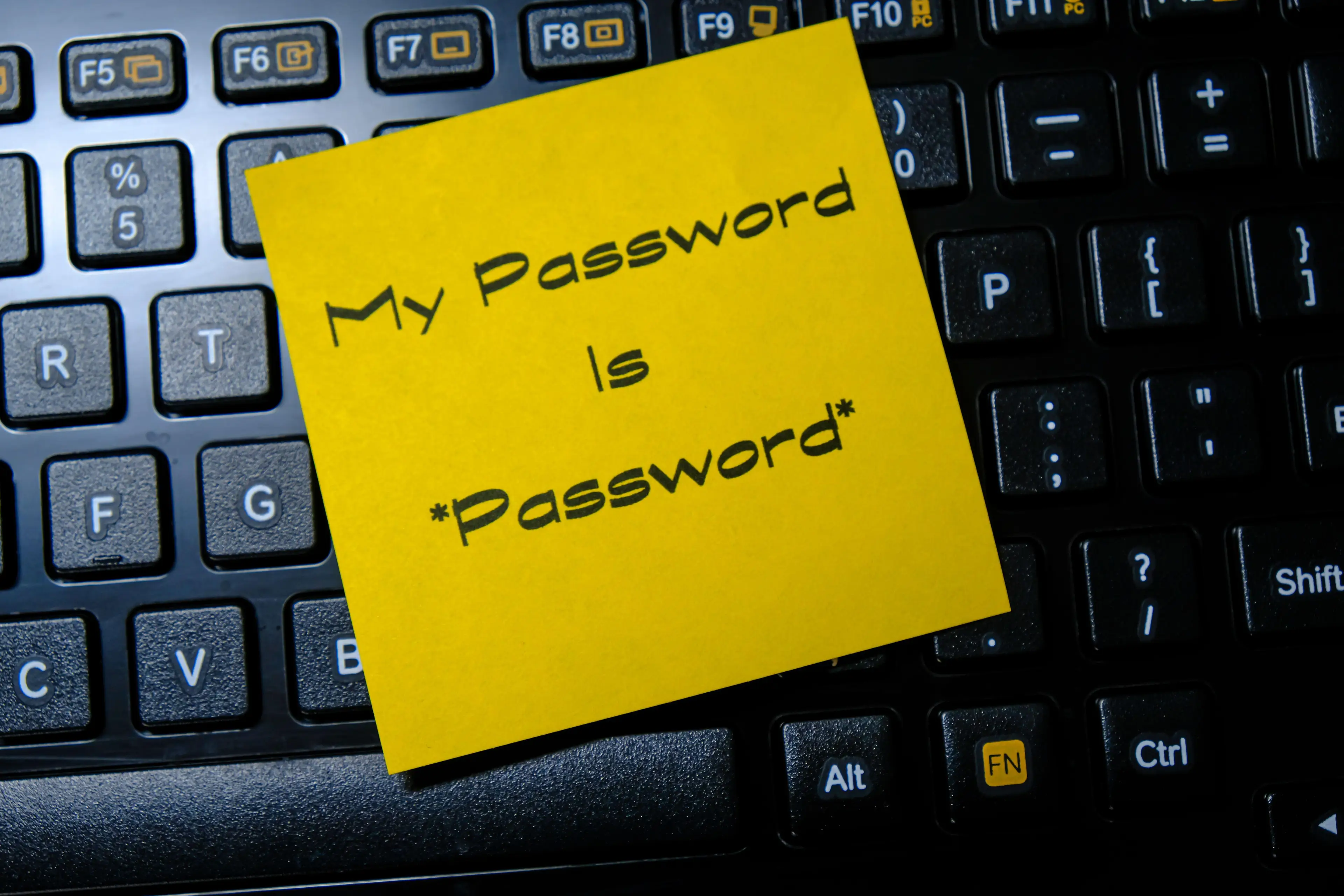
But of course, the idea of a password is that it should be unguessable - so here's your opportunity to learn from other people's mistakes.
Advert
Payment solutions company Dojo analysed National Cyber Security Centre (NCSC) data on more than 100,000 breached passwords and identified the most-hacked password categories.
Out at the top was pets and terms of endearment, followed by names in second, animals in third, emotions in fourth and food in fifth.
Passwords with obvious sequences of numbers like '1234' or letters like 'qwerty' (letters from the top row of the keyboard) were also among the world's most frequently hacked passwords.
The study explained: "These sequences are particularly easy to remember and transcend languages and cultures, making them an incredibly popular password choice worldwide.
"Easy to guess and requiring no personal knowledge, these ones present a huge risk to your online security when selected."
If you're eager to have absolutely no excuses should someone hack into your accounts and steal all of your money and data, then here are the five most commonly hacked passwords, according to the NCSC data:
- 123456 (23.2 million users)
- 123456789 (7.7 million users)
- Qwerty (3.8 million users)
- Password (3.6 million users)
- 1111111 (3.1 million users)
If you're keen not to be hacked, you're best off using a combination of numbers, letters and symbols - ideally a random combination that's memorable only to you.
Naveed Islam, Chief Information Security Officer at Dojo commented: "Passwords are the digital keys for just about everything on the Web, from checking emails to online banking.
"The surge in online services has resulted in a proliferation of password usage.
"This has resulted in password fatigue - the feeling experienced by many people who are required to remember an excessive number of passwords as part of their daily routine.
"To cope with password fatigue, people reuse the same password across multiple websites, using simple and predictable password creation strategies. Attackers exploit these well-known coping strategies, leaving individuals vulnerable."
He continued: "Using a password manager to create unique passwords and using multi-factor authentication (MFA) across all websites are some of the recommended ways to improve password security and make it difficult for attackers to steal your passwords and access your data.
"Frequently check a breach notification site to see if any of your passwords have been leaked in any data breaches. If it has, change your password for that account immediately."
Topics: Technology
 Jake Massey