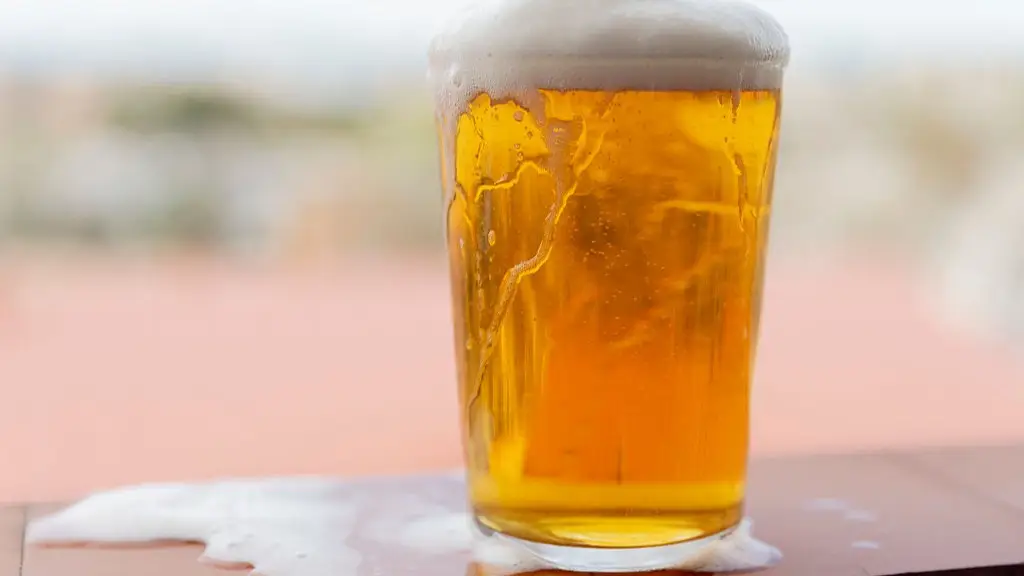
Fosters, Coors and Carlsberg have all become weaker and you're not imagining it

With the weather scorching this Bank Holiday weekend, many of us are stocking up on the beers for a BBQ at home.
But if you've already made your booze run ahead of time, you may have noticed that the amber nectar isn't quite hitting like it used to. And no, you aren't imagining it.
Welcome to the wonderful land of 'drinkflation'.
Yep, we've all seen how boxes of Quality Street have gone from the size of double decker buses in the 70s to a thimble sized offering now, but we never thought they would come for our pints, did we?
Advert
Sadly, however, that's the brave new world in which we live, with major brands lowering the strength of their beers to around 3.4 percent ABV (Alcohol By Volume).
Have a look at some of the big hitters that have been affected:
Coors Light
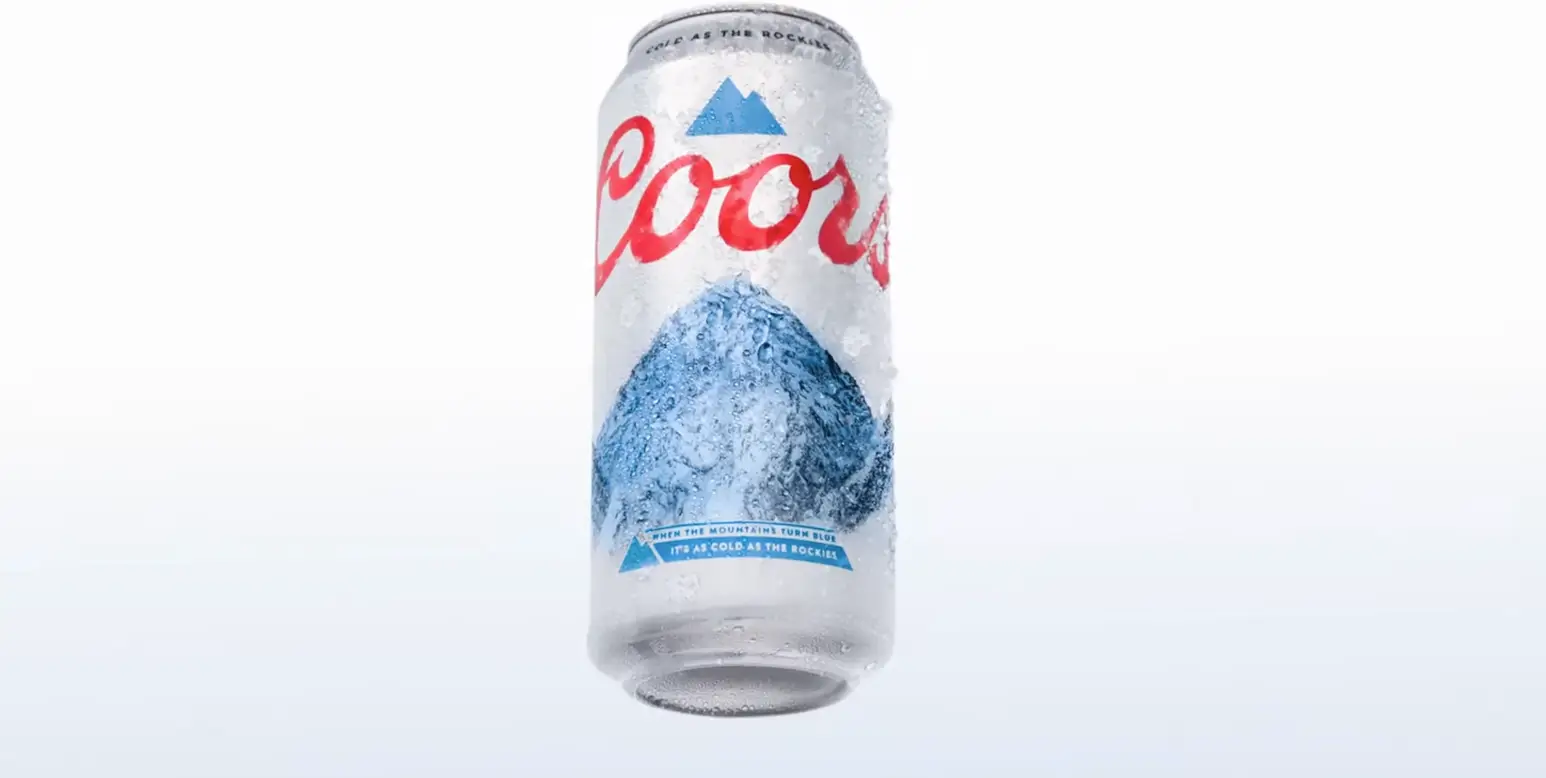
Went from 4 percent ABV to 3.4 percent in 2025 citing its 'commitment to offering more choice to consumers [...] choosing to moderate or not to drink alcohol at all'.
John Smith's Extra Smooth
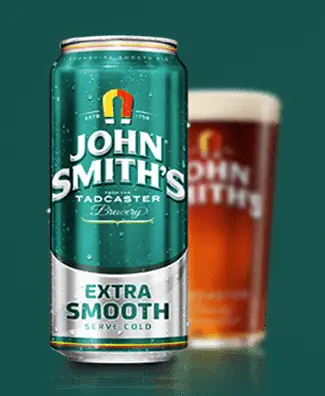
Went from 3.6 percent to 3.4 percent in 2024 after falling from 3.8% in 2013. Heineken said they made the change because 'consumers are increasingly choosing lower ABV products as part of a balanced lifestyle
Carlsberg
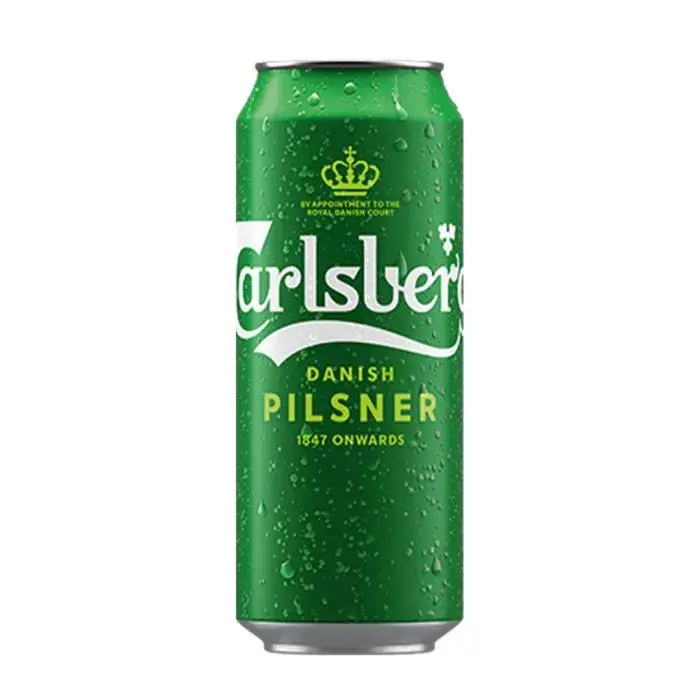
Was 3.8 percent, it's now 3.4 percent. Carlsberg said they made the 2023 decision because, following 'extensive consumer research', they found drinkers liked the 3.4% bev as much as the 3.8% one.
Sol
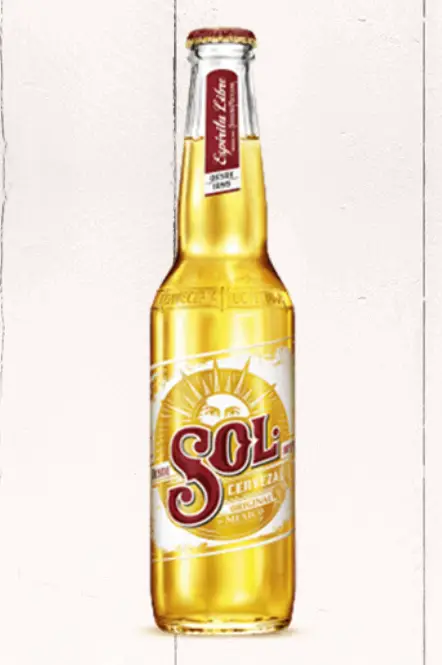
Used to be 4.2 percent and now it's 3.4 percent after being lowered last year. Heineken said: "As a responsible brewer we have a long-held position of promoting moderation, and we are proud that over the last few years, we have removed millions of alcohol units from consumption in the UK."
Other beers that have had their ABVs lowered
Amstel used to be 4.1 percent but is now 3.4 percent.
Foster's used to be 4 percent and now it's 3.4 percent.
Grolsch was 5 percent but is now 3.4 percent.
Are you seeing a trend?
It's something content creator Cost of Living Crisis Tips, who posts videos on grocery savings, has noticed too. He claims beer is being watered down to take advantage of government tax breaks.
In a video, he says it's because the amount of duty paid in pound sterling on a litre of pure alcohol is £9.61 when its 3.4 percent ABV - but 3.5 percent to 8.4 percent ABV costs £21.78.
The narrator explained: "So, if the beer companies make it stronger by just 0.1 percent, you have to pay more than double in tax. That's why all the beer is going down to 3.4 percent ABV. So, all your beer is getting weaker and more expensive.
"Carlsberg reduced its strength from 3.8 percent to 3.4 percent a couple of years a go, you'll see this number a lot. They [beer companies] are all at it. Fosters used to be 4 percent, then it went down to 3.7 percent. And guess what? It's going down to 3.4 percent."
How are alcoholic beverages taxed?
Generally, drinks are taxed more the stronger they get. In 2023, the UK introduced a new alcohol duty system with different rates paid depending on the strength of the beer being sold.
Draught beer benefits from a significant tax reduction compared to packaged beer, meaning less tax is paid on pints served in a pub than on cans from a supermarket.
Big breweries have been accused of taking advantage of these tax breaks, and not passing on savings to consumers.
Tim Webb, Chair of CAMRA’s Beer and Cider Campaigns Committee told LADbible: “We think that beer tax in the UK is absurdly high.
"Alongside that, we support the principle that a lower ABV should mean a lower tax rate, but what global brewing giants have done is dilute their recipes to hit the lower tax band, without reducing prices, and sometimes hiking them.
"This is something that independent brewers can’t afford to do or won’t do because it will compromise quality. They can do this because in the UK, we allow the four giant brewing corporations to control much of the beer market, to the exclusion of the smaller independent brewers that brew most of the UK’s more interesting beers.
“We know that choices the government has made on business rates and taxes are pushing up prices for consumers, mainly because publicans have to put up prices or close. But here, it’s in the gift of the global brewers to keep prices steady for consumers, but they don’t seem to care.
"The government must use their Access to Market Review to significantly reform the stranglehold global giants have over the beer and pub trade so that independent brewers are allowed fairer access and can spark some real competition.”
Heineken had previously said its decision to make cuts to ABV was due to changes in drinking habits and 'as part of a balanced and health-conscious lifestyle'
LADbible has contacted Molson Coors, Heineken and Asahi for comment.
Topics: Food And Drink, Weather, Alcohol
 Lia Desai