ladbible homepage
ladbible homepage
  • iconNews
  • videos
  • entertainment
  • Home
  • News
    • UK
    • US
    • World
    • Ireland
    • Australia
    • Science
    • Crime
    • Weather
  • Entertainment
    • Celebrity
    • TV
    • Film
    • Music
    • Gaming
    • Netflix
    • Disney
  • Sport
  • Technology
  • Travel
  • Lifestyle
  • Money
  • Originals
    • FFS PRODUCTIONS
    • Say Maaate to a Mate
    • Daily Ladness
    • UOKM8?
    • FreeToBe
    • Citizen Reef
  • Advertise
  • Terms
  • Privacy & Cookies
  • License Our Content
  • About Us & Contact
  • Jobs
  • Latest
  • Archive
  • Topics A-Z
  • Authors
Facebook
Instagram
X
Threads
Snapchat
TikTok
YouTube
Submit Your Content Here
  • SPORTbible
  • Tyla
  • GAMINGbible
  • LADbible Group
  • UNILAD
  • FOODbible
  • UNILAD Tech
People horrified at what airport security were able to see when passengers walked through X-Ray machine

Home> Lifestyle> Travel

Updated 14:12 15 Dec 2024 GMTPublished 16:25 14 Dec 2024 GMT

People horrified at what airport security were able to see when passengers walked through X-Ray machine

The Rapiscan X-ray scanners attracted serious backlash

Sara Keenan

Sara Keenan

google discoverFollow us on Google Discover

Getting through airport security has always been a chore - from unpacking your life into a plastic tray to enduring the awkward shuffle through body scanners. But what's left people genuinely stunned is the revelation of what those scanners used to show.

Back in the early 2010s, the now-infamous Rapiscan X-ray scanners were rolled out in airports, creating a wave of controversy.

Initially introduced by the Transportation Security Administration (TSA) in the US following the 2009 Christmas Day bombing attempt, these machines offered an unprecedented level of detail.

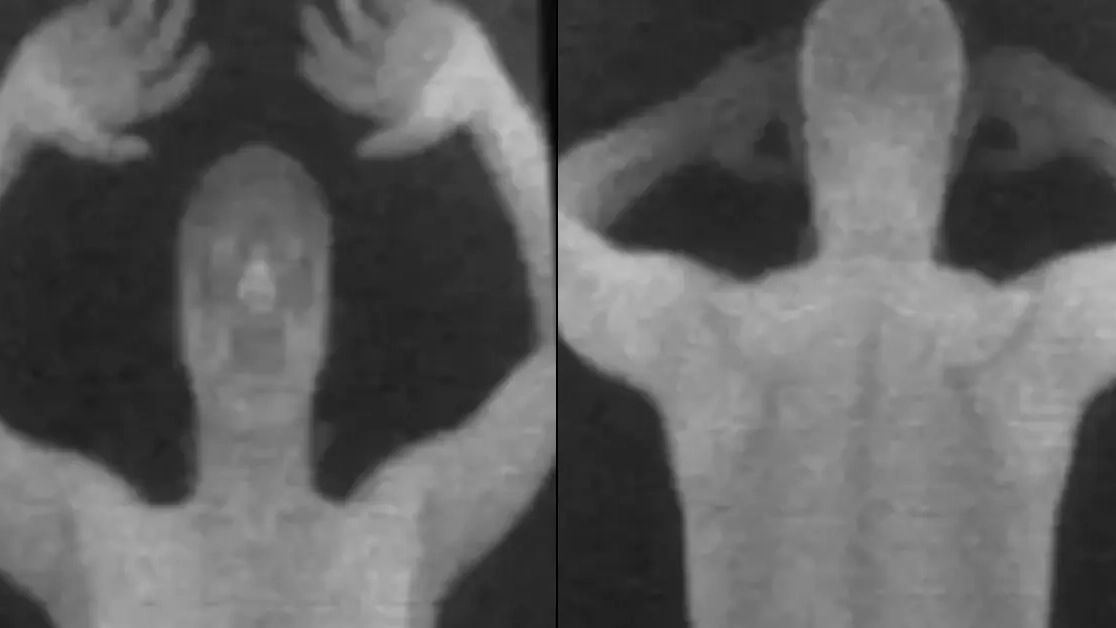
And by 'detail' we mean a full, uncensored body scan that left nothing to the imagination. Take a look:

Advert

The scanners were brought in after Umar Farouk Abdulmutallab attempted to detonate explosives hidden in his underwear during a flight from Amsterdam to Detroit. Thanks to quick-thinking passengers, disaster was averted. But the incident prompted the TSA to install 174 scanners in 30 airports across the US at a cost of $180,000 per machine.

In the UK, similar scanners were implemented at major airports in 2013, sparking outrage and earning the nickname 'virtual strip searches'.

Critics were quick to slam the intrusive nature of the images, which showed everything from body shape to, well, personal anatomy. Social media exploded as shocked flyers shared their disbelief.

One commenter at the time quipped, "I'll just drive everywhere, thanks." Another labeled the scanners as 'security theatre', while someone joked: "This is airport security, not OnlyFans."
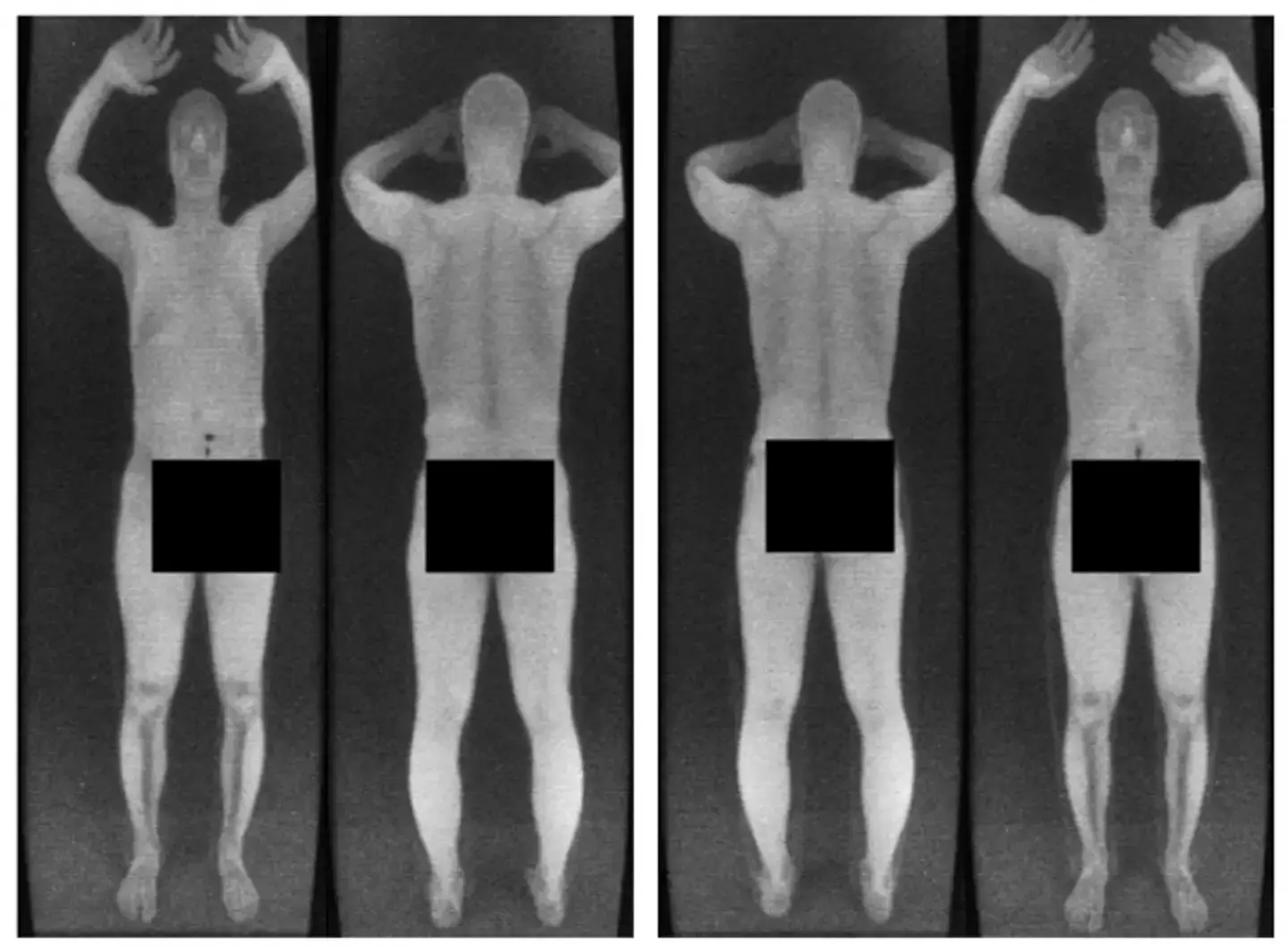
The scanners caused backlash (X /@‌greendaylover44)

The backlash reached tipping point in 2013 when the TSA was forced to remove the machines due to their inability to meet privacy standards. Specifically, the scanners couldn't integrate Automated Target Recognition (ATR) software, which would have created generic, less intrusive outlines instead of detailed body images.

As a result, they were replaced with millimeter wave scanners that are still in use today.

Unlike their predecessors, the new scanners don't reveal a passenger's unique body image, instead relying on non-intrusive, generic outlines to flag potential threats. Shawna Malvini Redden, a researcher and author of 101 Pat-Down's explained to Reader's Digest: "Early versions of the scanners came out without any privacy protections. Now, machines generate generic images instead of the passenger's unique image."
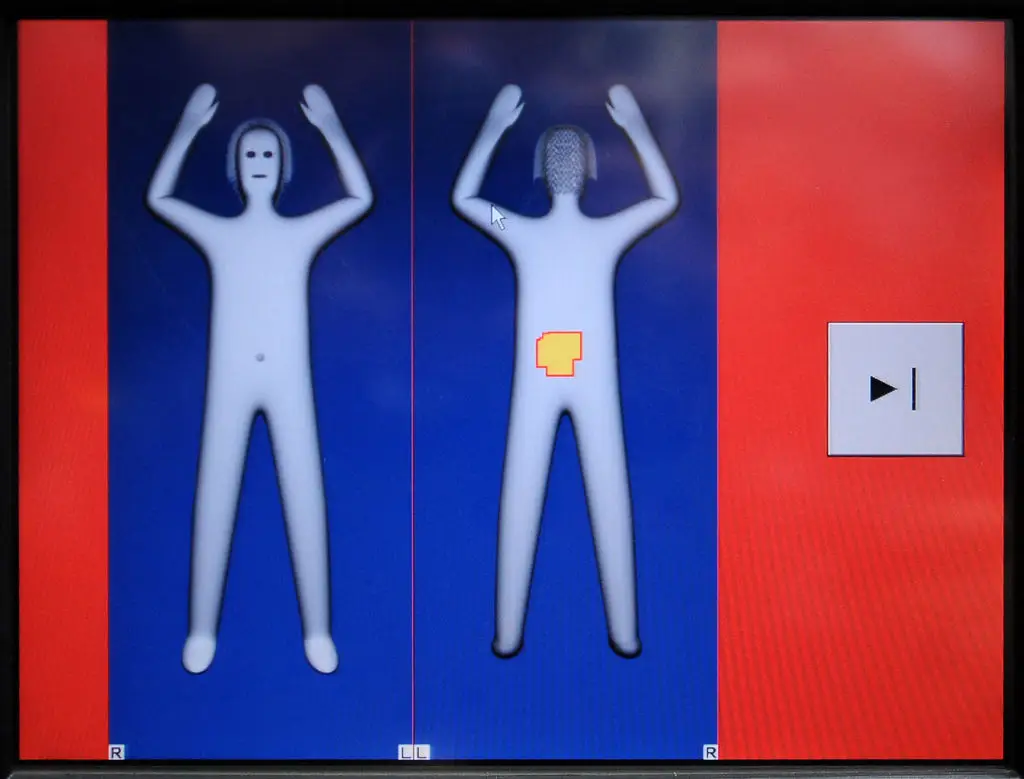
They're less, erm, detailed now (ALBERTO PIZZOLI/AFP via Getty Images)

For many travellers who missed this moment in airport history, discovering what the old scanners showed has been a shock.

"I thought X-ray meant you could only see bones," tweeted one stunned user.

Another joked: "Guess I'll be tucking my junk text time, just in case."

While the newer systems are less invasive, airport security is still far from a stress-free experience. But hey, at least you don't have to worry about your TSA scan turning into an impromptu anatomy lesson.

Featured Image Credit: X/@‌greendaylover44

Topics: Technology, Travel

Sara Keenan
Sara Keenan

Recommended reads

Navy SEAL who killed Osama Bin Laden reveals 'hardest part' 15 years on from missionmchooyah/InstagramBrits warned over summer holiday flight cancellations as government implement new rule changeGetty Stock PhotoOlivia Wilde reacts to being compared to Gollum after viral interview appearance sparked concernSan Francisco ChronicleOldest Virgin Island participant who lied to mum about show reveals why she got hands-on therapy in front of camerasChannel 4

Advert

  • Eight ways to ring in the festive season with your mates
  • Concern as YouTuber discovers 'secret X-ray camera' that can see through objects on Android phone
  • Airport worker can't believe his eyes as he feared man tried to bring gun through security

Choose your content:

19 hours ago
20 hours ago
  • (Getty Stock Images)
    19 hours ago

    Doctor explains who really needs to take Omega-3 supplement that is one of most common in world

    Eating oily fish is best, but if not, you might want to invest in some Omega-3 supplements

    Lifestyle
  • X/Emmerald Barwise
    19 hours ago

    Single mum shares dark reality of OnlyFans as she vows to never touch it again

    Emerald Barwise decided to join the platform in order to make some extra cash

    Lifestyle
  • TikTok
    19 hours ago

    How position of ‘black band’ tattoo can have very different meanings as X-rated meaning shared

    There could be a surprising NSFW meaning behind the popular black band tattoo

    Lifestyle
  • YouTube/Jeremy London, MD
    20 hours ago

    Heart doctor shares warning over food ‘worse than smoking’ that decreases lifespan

    Eating high amounts is linked to a greater risk of high blood pressure, cardiovascular disease, heart attacks and strokes, and early death

    Lifestyle