ladbible homepage
ladbible homepage
  • iconNews
  • videos
  • entertainment
  • Home
  • News
    • UK
    • US
    • World
    • Ireland
    • Australia
    • Science
    • Crime
    • Weather
  • Entertainment
    • Celebrity
    • TV
    • Film
    • Music
    • Gaming
    • Netflix
    • Disney
  • Sport
  • Technology
  • Travel
  • Lifestyle
  • Money
  • Originals
    • FFS PRODUCTIONS
    • Say Maaate to a Mate
    • Daily Ladness
    • UOKM8?
    • FreeToBe
    • Citizen Reef
  • Advertise
  • Terms
  • Privacy & Cookies
  • License Our Content
  • About Us & Contact
  • Jobs
  • Latest
  • Archive
  • Topics A-Z
  • Authors
Facebook
Instagram
X
Threads
Snapchat
TikTok
YouTube
Submit Your Content Here
  • SPORTbible
  • Tyla
  • GAMINGbible
  • LADbible Group
  • UNILAD
  • FOODbible
  • UNILAD Tech
Experts explain the worrying things that happen to your body when you don't get enough sleep

Home> News> Health

Published 09:26 15 Mar 2024 GMT

Experts explain the worrying things that happen to your body when you don't get enough sleep

It's really important to sleep well and for long enough

Tom Earnshaw

Tom Earnshaw

google discoverFollow us on Google Discover

It's drilled in to all of us from a young age about the importance of getting enough sleep every night.

It helps us feel refreshed for the day ahead as well as recover from the stresses - both mentally and physically - from the day before.

But it also helps cut risks associated with other things that aren't pleasant in the slightest, with research linking a lack of sleep - as well as that being quality, deep sleep - with worrying health problems that may hurt us later on in life or even sooner than we might realise.

Advert

With it being World Sleep Day (15 March), LADbible has rounded up some of the main reasons why you really should get a good night's sleep every night - given the dangers that come with not doing so.

How much sleep do you need?

The NHS says that you should be aiming for seven to nine hours every night if you're a healthy adult.

"However, age, health and personal circumstances affect how much sleep we need, plus some people naturally sleep more than others," it adds.

Teenagers, kids and babies will need more sleep because they're growing or going through puberty.

Newborns can sleep up to 16 hours a day.
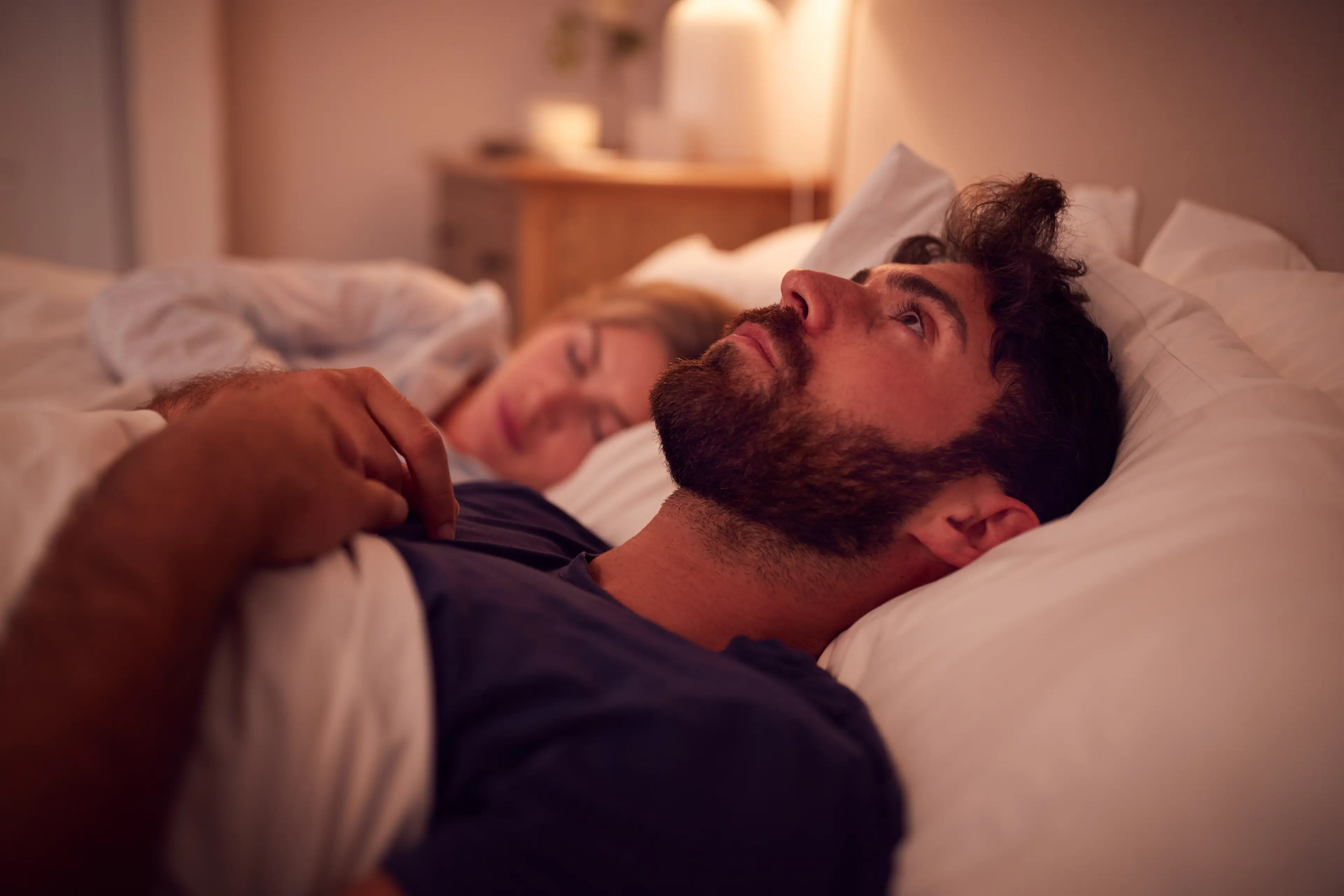
Sleeping issues can harm your health.
Getty Stock Images

Signs you might have issues with sleeping

According to the NHS, those who encounter the below seven symptoms might have cause for concern:

  • find it difficult to fall asleep
  • lie awake for long periods at night
  • wake up several times during the night
  • wake up early and be unable to get back to sleep
  • feel down or have a lower mood
  • have difficulty concentrating
  • be more irritable than usual
A lack of sleep can cause mental and physical health problems.
Getty Stock Images

What can cause sleeping issues?

Experts at Australia's Better Health Channel, run by the Aussie government, says some of the main reasons for having problems with not getting enough sleep are environmental, including using your phone in bed late at night or having too much coffee or caffeinated drinks.

Antisocial working hours also impact this, with them having the ability to disrupt our natural 'circadian rhythms'. In other words, our biological clock in relation to feeling sleepy, hungry, and stable hormone levels.

Sleep apnoea, insomnia, restless leg syndrome, and grinding your teeth are also all factors.

Medical conditions including diabetes, anxiety and depression can mean you have problems too.
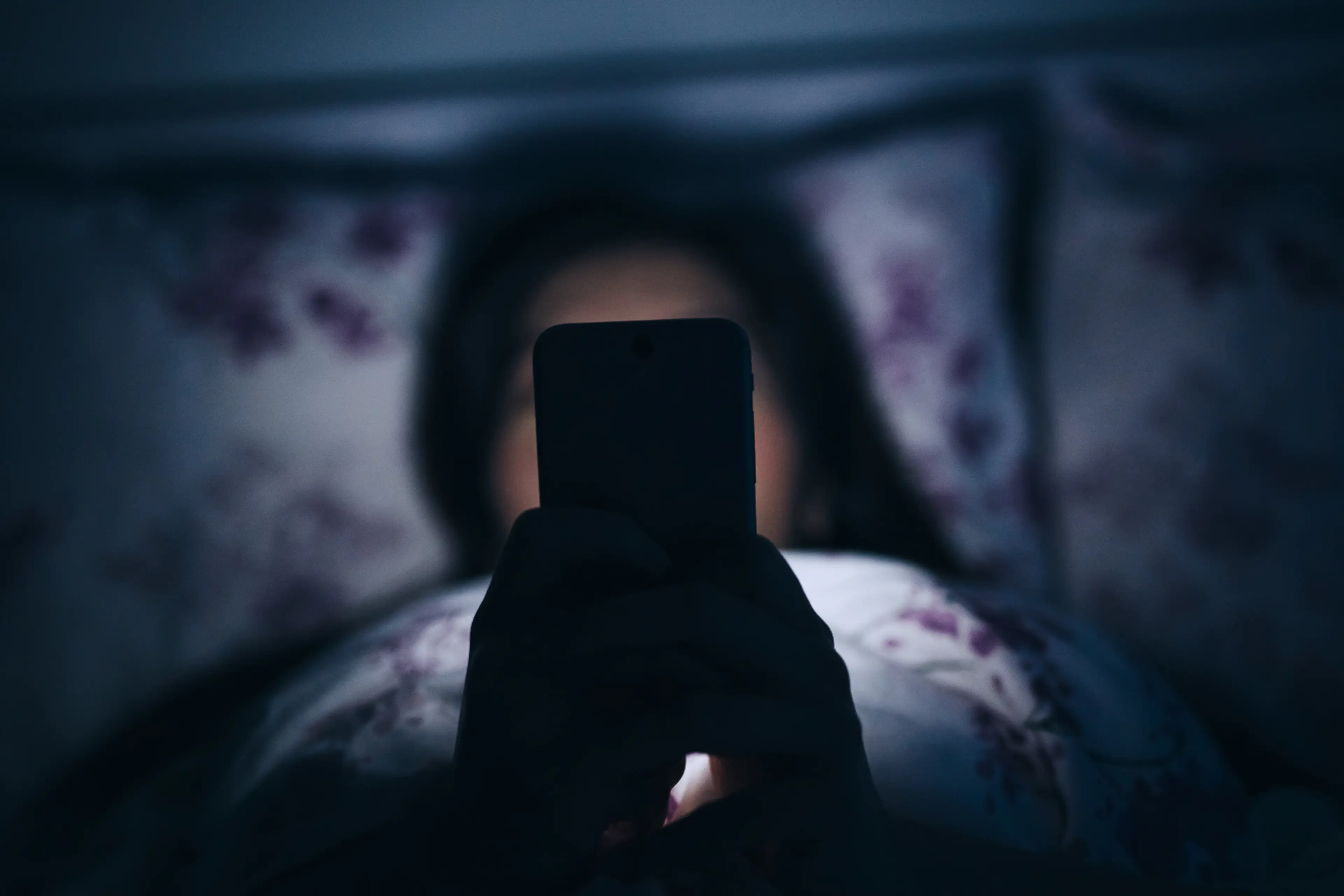
Using your phone in bed is linked to having poor sleep quality.
Getty Stock Images

What happens to your body if you don't get enough sleep?

The Better Health Channel also explains that the effects can be minor at first but extremely worrying nonetheless.

It says: "Insufficient sleep can impact your brain’s functioning including your ability to remember, regulate emotion and attention, the speed you process information and the ability to have insight. Even short-term sleep deprivation can impair these functions.

"In particular, sleep plays a key role in memory formation and consolidation."

And in more worrying research, a lack of sleep means you're not flushing out toxic waste from your body that build up in your brain throughout the day.

"Accumulation of these toxic proteins are involved in the development of Alzheimer’s Disease. Sleep deprivation is associated with increased risk of both cognitive decline and dementia," the Better Health Channel says.

The risk of anxiety and depression is also increased.

Other physical risks include hypertension (high blood pressure) and heightened cholesterol.

For more advice on sleeping problems and how to seek help, see the NHS' advice here.

Featured Image Credit: Getty Stock Images

Topics: Sleep, Health, NHS, UK News, World News, Mental Health, Australia

Tom Earnshaw
Tom Earnshaw

Tom joined LADbible Group in 2024, currently working as SEO Lead across all brands including LADbible, UNILAD, SPORTbible, Tyla, UNILAD Tech, and GAMINGbible. He moved to the company from Reach plc where he enjoyed spells as a content editor and senior reporter for one of the country's most-read local news brands, LancsLive. When he's not in work, Tom spends his adult life as a suffering Manchester United supporter after a childhood filled with trebles and Premier League titles. You can't have it all forever, I suppose.

X

@TREarnshaw

Recommended reads

Man drinks alcohol and lifts weight for 90 days straight to see how bad it actually is(YouTube/@Clawhammer Supply)How much a pint costs at the 2026 Grand National, get your overdraft readyCarl De Souza/GettyNASA 'anxious' as Artemis crew approach fireball return reaching 23,839 mph speeds(NASA via Getty Images)Extreme physical changes to Artemis II crew's body after 10 days in spaceNASA via Getty Images

Advert

Choose your content:

4 hours ago
5 hours ago
  • Carl De Souza/Getty
    4 hours ago

    How much a pint costs at the 2026 Grand National, get your overdraft ready

    There will be plenty of sore heads on Sunday morning

    News
  • (NASA via Getty Images)
    4 hours ago

    NASA 'anxious' as Artemis crew approach fireball return reaching 23,839 mph speeds

    The crew's return to Earth is considered the 'most dangerous' part of the journey

    News
  • NASA via Getty Images
    5 hours ago

    Extreme physical changes to Artemis II crew's body after 10 days in space

    They're set to be welcomed back to Earth this evening

    News
  • (KENNEDY)
    5 hours ago

    Signs of throat cancer as man's diagnosis linked to oral sex decades ago

    Health experts have linked an increased risk of throat cancer to oral sex

    News
  • What causes bizarre twitch in your eye that's hard to explain and when to seek medical help
  • Worrying simulation shows what would happen to your body if you ate nothing for three days
  • The weight you need to be to get Mounjaro from your GP revealed
  • Mum who snorted £1k-a-week worth of cocaine reveals worrying effect it had on body