ladbible homepage
ladbible homepage
  • iconNews
  • videos
  • entertainment
  • Home
  • News
    • UK
    • US
    • World
    • Ireland
    • Australia
    • Science
    • Crime
    • Weather
  • Entertainment
    • Celebrity
    • TV
    • Film
    • Music
    • Gaming
    • Netflix
    • Disney
  • Sport
  • Technology
  • Travel
  • Lifestyle
  • Money
  • Originals
    • FFS PRODUCTIONS
    • Say Maaate to a Mate
    • Daily Ladness
    • UOKM8?
    • FreeToBe
    • Citizen Reef
  • Advertise
  • Terms
  • Privacy & Cookies
  • License Our Content
  • About Us & Contact
  • Jobs
  • Latest
  • Archive
  • Topics A-Z
  • Authors
Facebook
Instagram
X
Threads
Snapchat
TikTok
YouTube
Submit Your Content Here
  • SPORTbible
  • Tyla
  • GAMINGbible
  • LADbible Group
  • UNILAD
  • FOODbible
  • UNILAD Tech
Astronaut who spent 178 days in space shares the big 'lie' he realised after looking at the Earth

Home> News> US News

Published 20:40 20 Feb 2025 GMT

Astronaut who spent 178 days in space shares the big 'lie' he realised after looking at the Earth

Ron Garan returned to Earth with a newfound perspective

Maxine Harrison

Maxine Harrison

google discoverFollow us on Google Discover

Space is literally in a world, or universe rather, of its own. You can only imagine what type of things astronauts witness, and how it would transform their perspective when they descend back to earth.

For former NASA space cadet Ron Garan, 63, there was only one thing on his mind when he was up in space, and it was the 'sobering realisation' that we Earthlings are 'living a lie'. But don’t panic, it's not that the earth is actually flat.

Garan experienced what is referred to as the 'overview effect' while he was up there. This is essentially where he had an uninterrupted view of our globe. This effect prompts a cognitive shift that many astronauts understandably feel when looking at Earth while floating in space - which researchers compare to a 'state of awe with self-transcendent qualities'.

This awe-invoking experience can trigger 'unexpected and overwhelming emotion' for those who are brave enough to get onboard a rocket. And this is the exact experience that Ron had while spending 178 days in space, travelling more than 71 million miles in 2,842 orbits throughout his career at NASA.

Advert
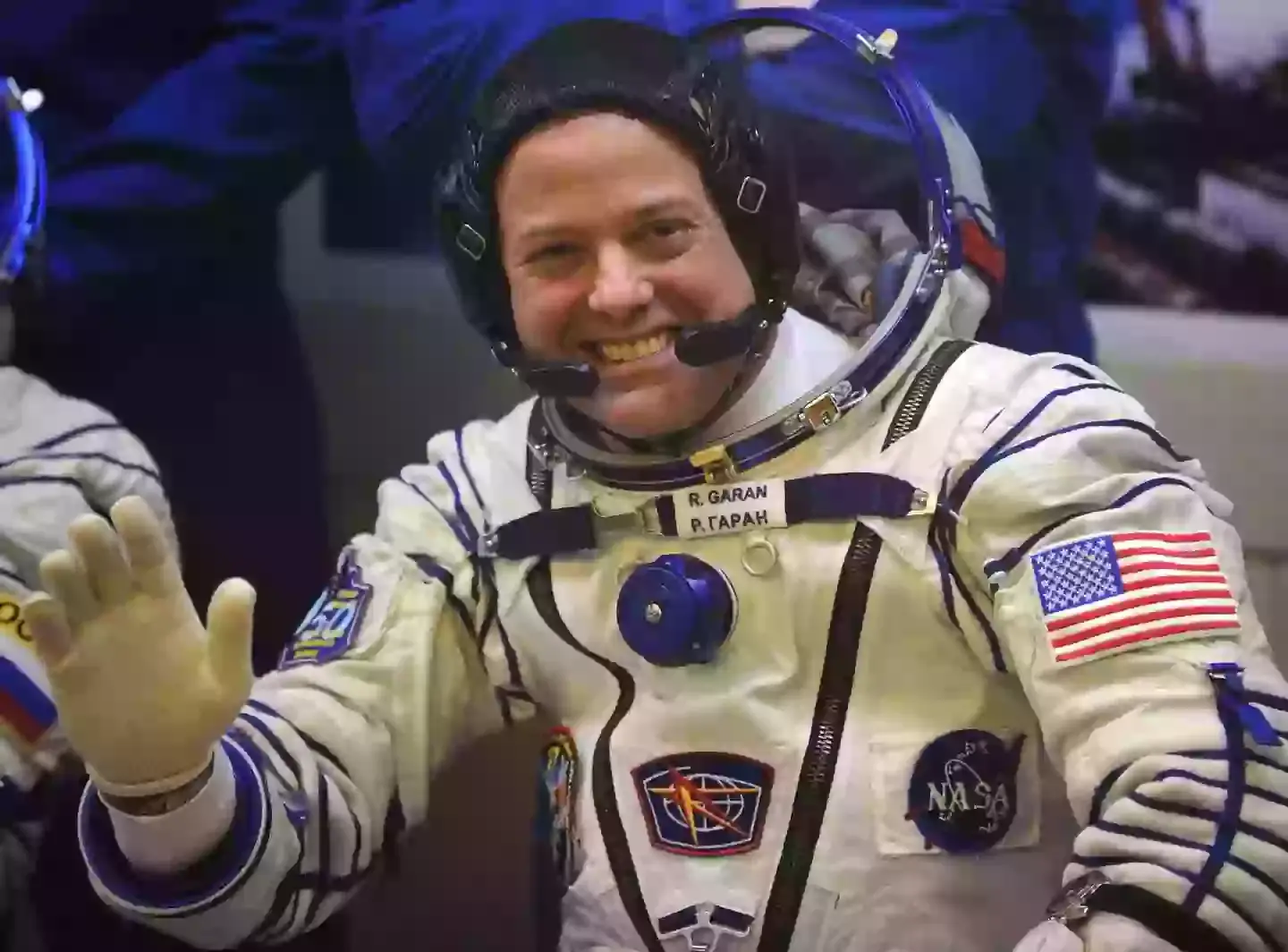
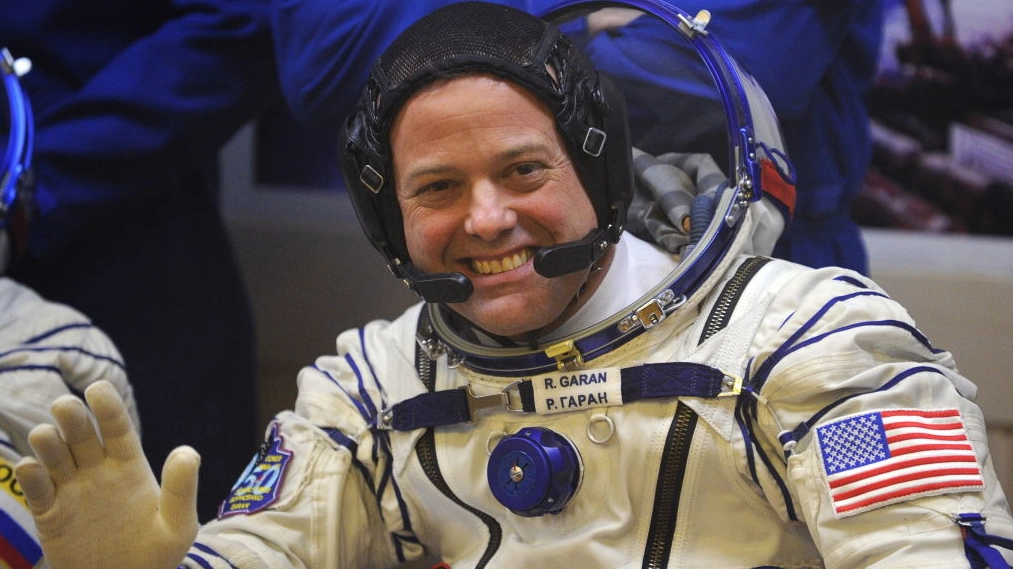
NASA astronaut Ron Garan had quite the awakening while up in space (ALEXANDER NEMENOV/AFP via Getty Images)

During his time on the International Space Station (ISS), Ron drew some interesting conclusions about our way of life as we know it, while looking out of the window.

In a conversation with the Big Think, the New Yorker said that he realised that the things that most humans are worried about aren't actually that big of a deal after all. But we should be a lot more concerned about global warming, deforestation, and biodiversity loss.

Sharing what he saw, Garan said: "When I looked out the window of the International Space Station, I saw the paparazzi-like flashes of lightning storms, I saw dancing curtains of auroras that seemed so close it was as if we could reach out and touch them.

"And I saw the unbelievable thinness of our planet's atmosphere. In that moment, I was hit with the sobering realisation that that paper-thin layer keeps every living thing on our planet alive.
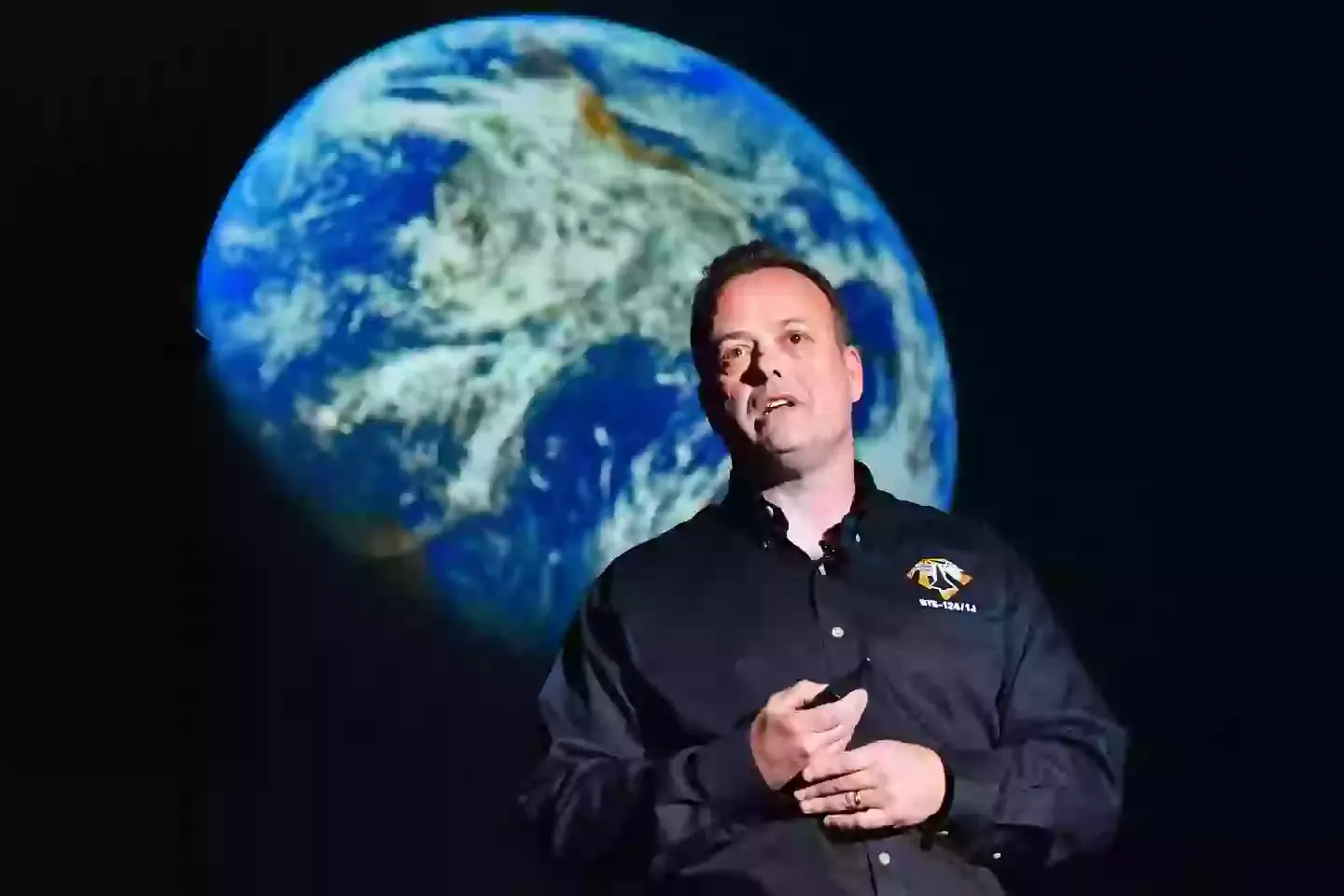
The 62-year-old returned to Earth with a new perspective after experiencing the 'overview effect' (Erika Goldring/Getty Images)

"I saw an iridescent biosphere teeming with life. I didn't see the economy. But since our human-made systems treat everything, including the very life-support systems of our planet, as the wholly owned subsidiary of the global economy, it's obvious from the vantage point of space that we're living a lie."

"We need to move from thinking economy, society, planet to planet, society, economy", Garan continued. "That's when we're going to continue our evolutionary process. "There's this light bulb that pops up where they realise how interconnected and interdependent we all are."

"We're not going to have peace on Earth until we recognise the basic fact of the interrelated structure of all reality," Garan added.

Featured Image Credit: ALEXANDER NEMENOV/AFP via Getty Images

Topics: Environment, Space, NASA

Maxine Harrison
Maxine Harrison

Recommended reads

Man drinks alcohol and lifts weight for 90 days straight to see how bad it actually is(YouTube/@Clawhammer Supply)How much a pint costs at the 2026 Grand National, get your overdraft readyCarl De Souza/GettyNASA 'anxious' as Artemis crew approach fireball return reaching 23,839 mph speeds(NASA via Getty Images)Extreme physical changes to Artemis II crew's body after 10 days in spaceNASA via Getty Images

Advert

Choose your content:

7 hours ago
8 hours ago
9 hours ago
  • Carl De Souza/Getty
    7 hours ago

    How much a pint costs at the 2026 Grand National, get your overdraft ready

    There will be plenty of sore heads on Sunday morning

    News
  • (NASA via Getty Images)
    8 hours ago

    NASA 'anxious' as Artemis crew approach fireball return reaching 23,839 mph speeds

    The crew's return to Earth is considered the 'most dangerous' part of the journey

    News
  • NASA via Getty Images
    8 hours ago

    Extreme physical changes to Artemis II crew's body after 10 days in space

    They're set to be welcomed back to Earth this evening

    News
  • (KENNEDY)
    9 hours ago

    Signs of throat cancer as man's diagnosis linked to oral sex decades ago

    Health experts have linked an increased risk of throat cancer to oral sex

    News
  • Astronaut shares the big 'lie' he realised after seeing the Earth during 178 days in space
  • Astronaut who spent 178 days in space reveals what it taught him about humanity
  • Astronaut who has spent 340 days in space made major 'realisation' about Earth while on mission
  • Astronaut had major realisation about humanity when looking down at Earth from space