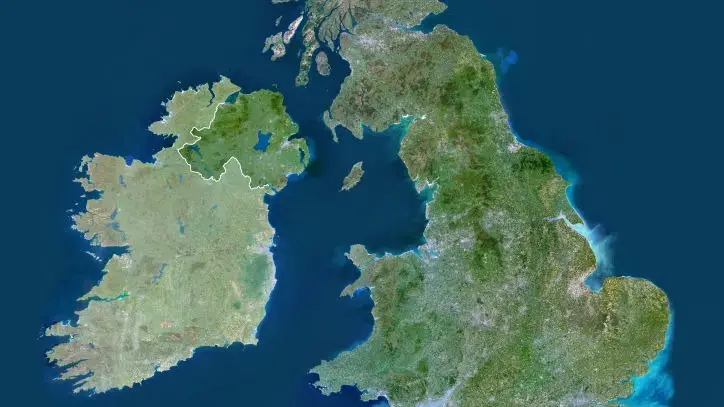
How the devastating 'Super El Niño' forming in the Pacific Ocean will directly impact UK

Football fans hearing about Super El Niño might be wondering if there's a new Fernando Torres emerging, but while that would be a scary reality for Premier League defenders, the actual meaning is scarier for perhaps the whole planet.
In case you've missed it, the Super El Niño is a weather phenomenon which is emerging over the Pacific Ocean, and scientists reckon it could lead to the warmest year on record in 2027.
Scientific American reports there's an 82 percent chance El Niño will kick off between May and July, and a 96 percent chance it will be happening between December and February 2027.
While El Niño years are totally natural weather phenomena to do with how winds circulate around the equator, they can have devastating consequences.
Advert
According to The Guardian, the worst El Niño to date in 1997-1998 killed 23,000 people and caused £21 billion to £28 billion in damage due to an increased number of floods, cyclones, droughts and wildfires.
More recently, an El Niño in 2015 caused a record-breaking hurricane season in the eastern North Pacific and a severe drought in Ethiopia.
Previous El Niño years have also had noticeable effects in the UK.
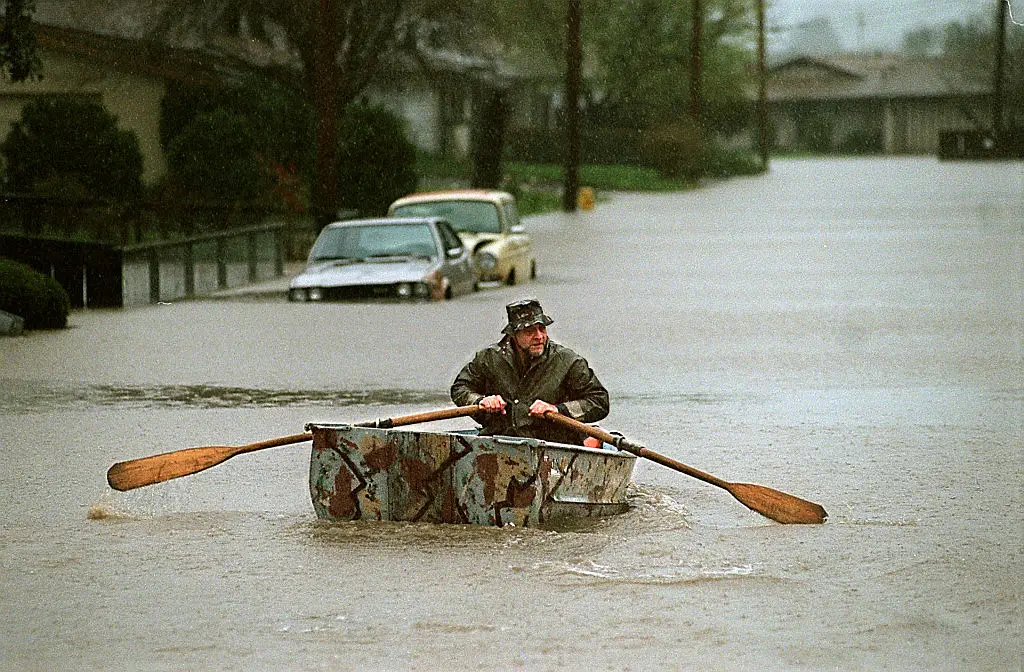
While countries in the west pacific, such as Australia and Indonesia, are likely to be drier than usual and more susceptible to forest fires, those in the east in South America are likely to be a lot wetter.
But the impact in the UK will be less discernible at first and will likely lag behind the actual El Niño event, with the weather clearly deciding to follow in the footsteps of UK wages by lagging behind the rest of the world.
We might well see hotter weather during the summer, which we will probably find a way to complain about when we're all stuck inside sweltering offices.
Mark Maslin, a professor of earth system science at University College London, told The Times this El Niño might be the most severe ever recorded, and Brits will likely feel the heat in summer 2027.
He said: “Any especially hot weather we have this summer will be just normal climate change. El Niño will really start to bite in the autumn. We could see a return of record-breaking 40℃ weather next summer.”
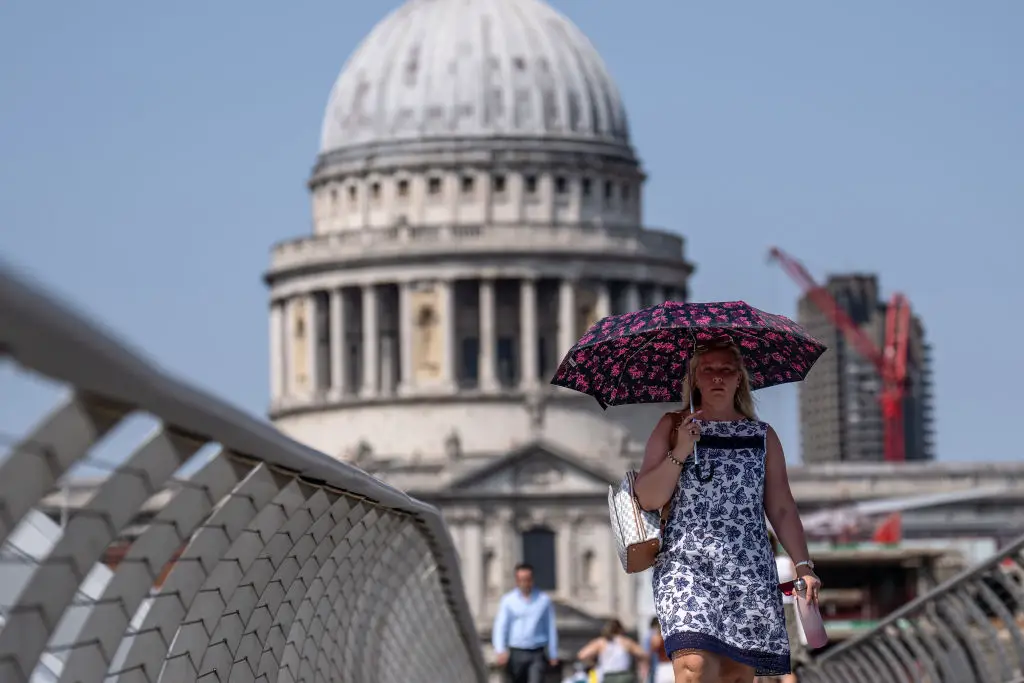
And while a roasting summer might appeal to some, the last time the UK experienced 40℃ heat an extra 2,800 over-65s died.
El Niño might also hike up the price of coffee if it causes a drought in Brazil.
The biggest impact in the UK might actually be felt in the winter months.
And there's bad news on that front as it seems as if things will be even colder than usual, with those dark, wet and cold mornings already bad enough without the temperatures dropping a few degrees.
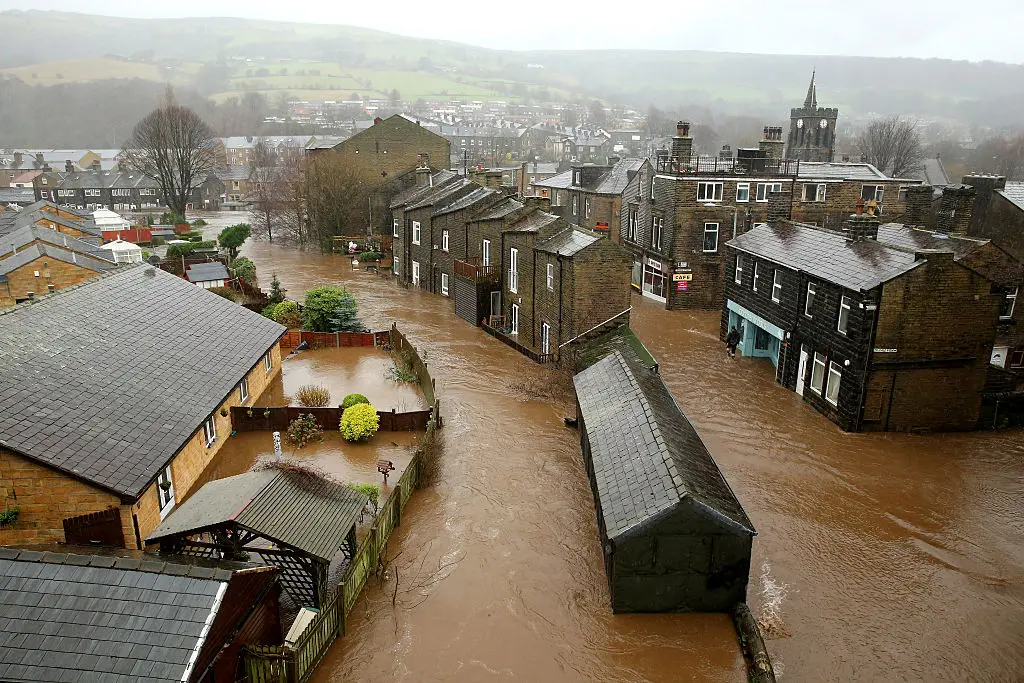
Climate scientists at the Met Office states: "El Niño years are one factor that can increase the risk of colder winters in the UK."
The 2015 El Niño event also caused severe flooding in the UK in December of that year, during which three people died.
Although we might not face the same struggles as other countries here in the UK and may only have hot and cold weather to complain about, the Super El Niño is no joke.
So, how does an El Niño year happen?
Strap in, folks. It’s time for some science.
It all starts with something called trade winds, which are permanent winds around the equator, which usually blow from east to west. So in the equatorial Pacific, they blow from the Americas towards Australia and New Zealand.
As the wind blows the water east, it is warmed by the sun, so by the time it gets to the other side of the Pacific, the warm water causes hot air to rise, leading to warm, wet and unsettled weather. Meanwhile, colder water from deeper in the ocean rises in the east to replace the water blown west.
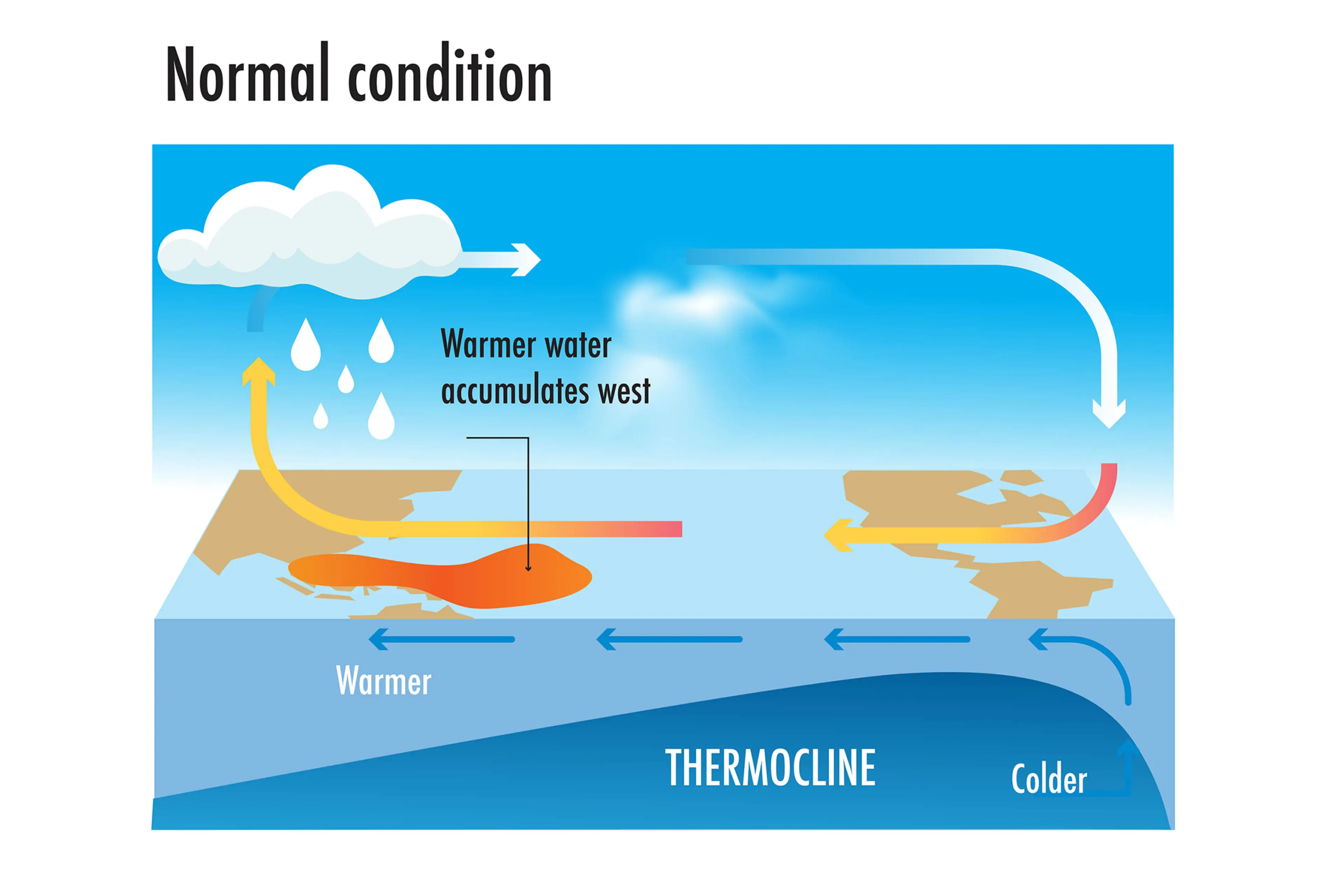
But during El Niño years, this gets disrupted.
Trade winds are weakened or even reversed, the temperature difference between the east and west is cancelled out, and usually cold parts of the ocean warm up.
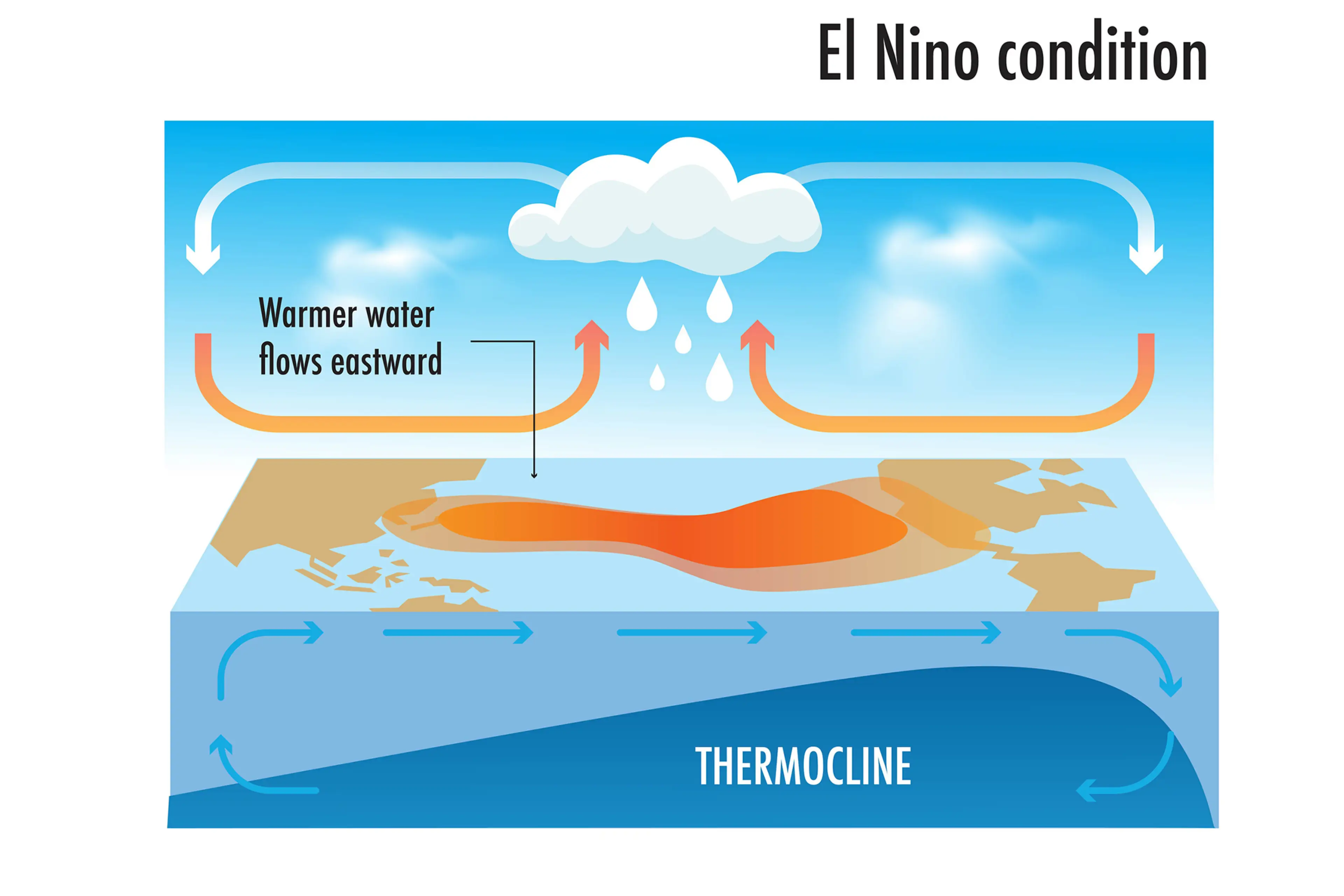
Rainfall and wind patterns change across the equatorial Pacific, which has a knock-on effect around the world.
Anyone else's head hurt a bit?
Topics: Environment, Global Warming, Weather, El Niño
 James Moorhouse